
Who Documents Business Processes? Why Process Documentation Matters

What Is Business Process Documentation?

Business processes keep everything running.

But when they are not properly documented, employees guess their way through tasks.

This leads to errors, inconsistencies, and wasted time.

Many companies struggle with:

  • Who is responsible for documenting processes?
  • Who can map out workflows?
  • Who writes process manuals?

The answer? A technical writer who specialises in process mapping.

Why Process Documentation Is Essential

Without clear documentation, businesses face:

❌ Operational inefficiencies
❌ Higher training costs
❌ Miscommunication between teams
❌ Difficulty scaling operations

A technical writer ensures every business process is mapped, structured, and easy to follow.

Who Should Document Your Business Processes?

A process documentation specialist (aka a technical writer) is trained to:

✅ Break down complex processes into simple steps
✅ Create flowcharts and process maps for clarity
✅ Ensure consistency across all departments
✅ Update documents as workflows evolve

Many businesses make the mistake of assigning documentation to someone who is not trained—leading to confusing, incomplete, or inaccurate processes.

A technical writer prevents that.

Need help documenting your business processes properly?

At Aliso Digital, we specialise in process mapping and documentation to keep businesses running smoothly.

👉 Visit Aliso Digital to get expert documentation services today.

Read More

Related Posts

🤝 Building Rapport With SMEs to Get the Information That Matters

As a technical writer or business process analyst, your work depends on other people’s knowledge. Subject matter experts hold the detail behind the diagrams, SOPs and work instructions. They know what really happens beyond the documented process. They know where things break. They know which steps exist only because of

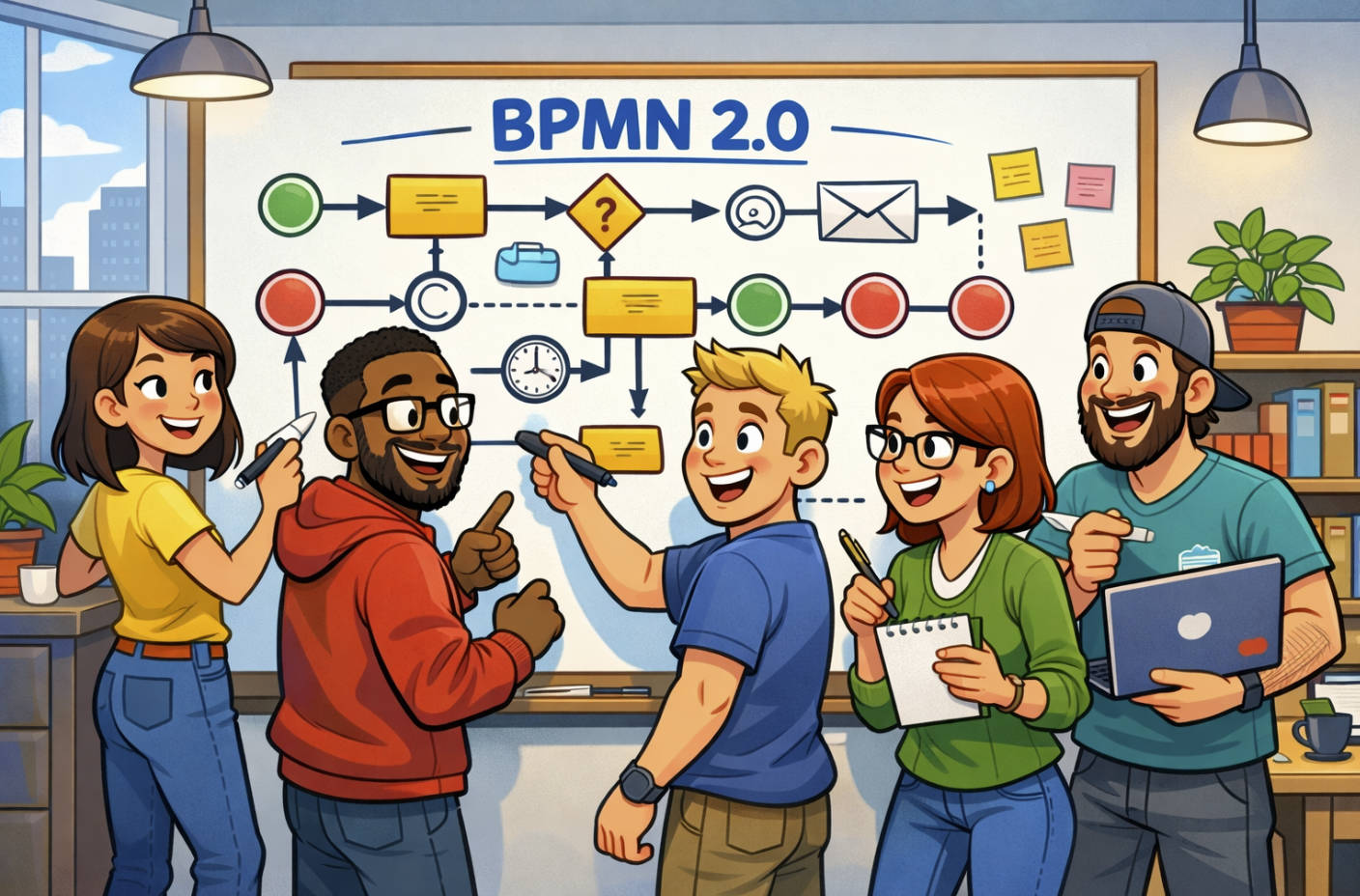
Stakeholders working together on a BPMN 2.0 process map

BPMN 2.0 Process Mapping Best Practices With Stakeholders

BPMN 2.0 is one of the clearest ways to represent how work actually happens.It creates a shared language across business and technical teams.It reduces ambiguity and helps organisations see their processes end to end. But BPMN 2.0 only works well when the right information is captured.That information does not live

📘 How Capturing Knowledge Keeps Business as Usual

Every business relies on people to keep things moving. But when knowledge only lives in people’s heads, continuity is fragile. Staff take leave, change roles or leave the company altogether. Without a system to capture what they know, Business as Usual (BAU) slows down—or even stops. A knowledge base prevents

💸 The Cost of Not Capturing Knowledge from Key People

Every organisation has people who carry knowledge that keeps the business running. It could be the senior manager who remembers why a process exists. It could be the technician who knows the workaround when systems fail. Or it could be the administrator who understands the unspoken rules that hold a