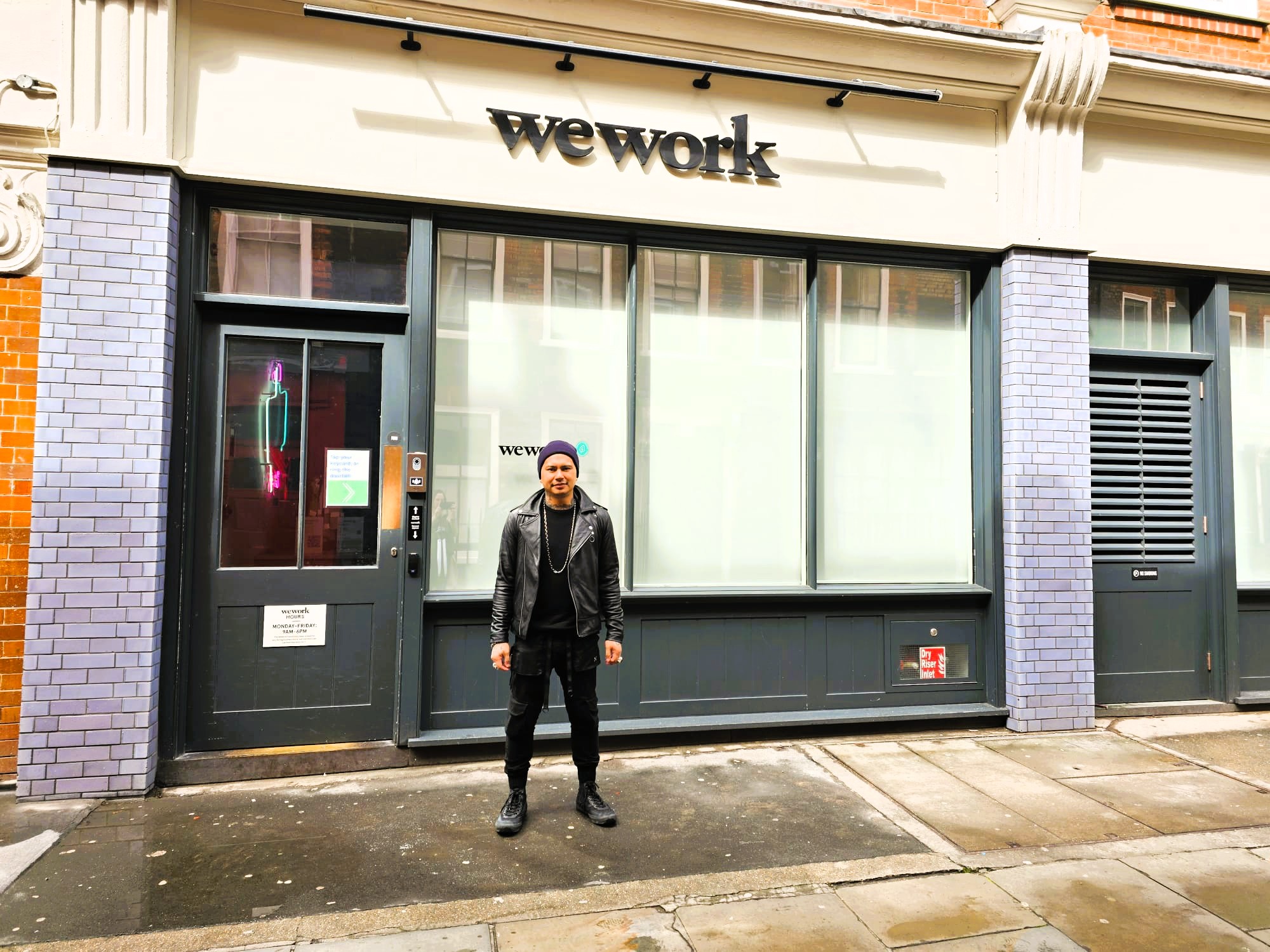

As a solopreneur and technical writer with nearly two decades of experience, I’ve weathered many industry shifts.
But the recent return-to-office (RTO) mandates have dealt a blow I never anticipated.
My business is bleeding money, and I’m silently suffering as I watch opportunities evaporate.
🌟 The Golden Era: 2019-2023
From 2019 to 2023, my business thrived.
The COVID-19 pandemic, despite its global challenges, ushered in a remote work revolution.
This shift allowed me to:
- Take on multiple clients simultaneously, maximizing productivity and income.
- Eliminate commuting, freeing up valuable hours for client work.
- Expand my reach beyond local boundaries, collaborating with clients nationwide.
These years were a boom period for my business.
📉 The Downturn: 2024-2025
However, the tide turned as RTO mandates gained momentum.
Companies began insisting on in-office presence, leading to:
- Reduced flexibility: I could no longer juggle multiple clients due to location constraints.
- Increased operational costs: Commuting expenses and time became significant burdens.
- Shrinking client base: Businesses preferred local, in-house technical writers over remote freelancers.
This shift has been devastating.
💼 Challenges in Finding Clients
Traditional avenues for client acquisition have become cold and unresponsive.
Efforts on platforms like LinkedIn and Seek, as well as direct promotions, have yielded minimal results.
The competitive landscape has intensified, making it harder to secure projects.
📊 Industry Decline and Increased Competition
The technical writing industry in Australia is facing a downturn.
Factors contributing to this decline include:
- AI Integration: Companies are adopting AI tools for documentation, reducing the need for human writers.
- Budget Constraints: Economic pressures have led businesses to cut costs, often at the expense of external contractors.
- Job Market Saturation: More professionals are entering the field, increasing competition for the few available roles.
🚶♂️ The Impact of Return-to-Office Mandates
The push for in-office attendance has had several adverse effects:
- Limited Clientele: My ability to serve multiple clients remotely has been curtailed.
- Time Drain: Commuting consumes hours that were previously dedicated to productive work.
- Operational Inefficiency: Being confined to a single location hampers the agility that remote work provided.
These mandates feel like a step backward in our digital age.
🔄 Adapting to the New Normal
In the face of these challenges, adaptation is crucial.
Strategies I’m considering include:
- Diversifying Services: Expanding into related fields like content strategy and UX writing.
- Embracing Technology: Leveraging AI tools to enhance efficiency and offer innovative solutions.
- Networking: Building relationships within the industry to uncover new opportunities.
🛠️ Recommendations for Fellow Solopreneurs
For those facing similar struggles, consider:
- Upskilling: Stay updated with industry trends and acquire new competencies.
- Flexibility: Be open to hybrid work models that combine in-office and remote work.
- Financial Planning: Prepare for lean periods by managing expenses and building a financial cushion.
The return-to-office mandates have disrupted the ecosystem that allowed solopreneurs like me to flourish.
While the situation is challenging, resilience and adaptability remain our strongest allies.
By evolving with the changing landscape, we can navigate these turbulent times and emerge stronger.