
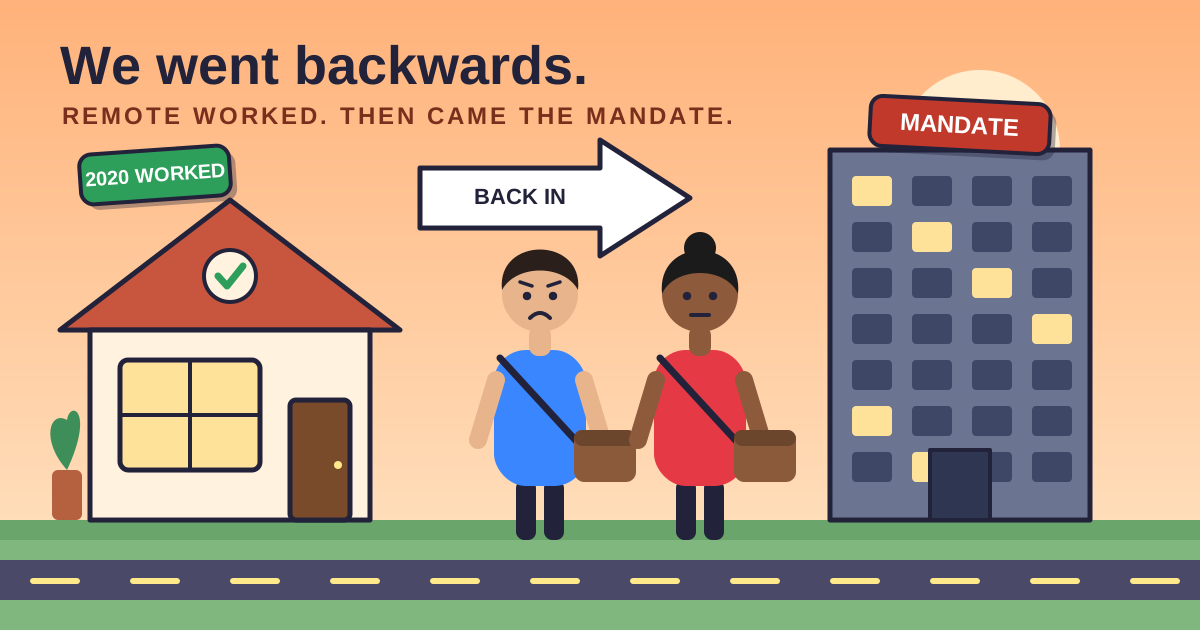
Here’s a typical hybrid day.
Leave home early.
Train or traffic.
Find a desk.
Then spend 6 hours on video calls with people who aren’t in the building.
It’s hard to see what the commute bought.
So let’s put numbers on it.
🚆 The commute is the cost
Australian research puts a number on it.
People who work from home commute 15.7% less than office workers.
That’s about 3.4 hours less each week, for the same hours of work.
CEDA values that time at about $110 a week.
Over a 48 week year, that’s $5,308.
And that’s before the fares, fuel, parking, plus the coffee you buy because you’re out.
📅 Meetings ate the day
Microsoft’s 2022 Work Trend Index found the average Teams user’s weekly meeting time rose 252% since February 2020.
The number of meetings rose 153%.
That’s a fair chunk of the week gone.
Add a commute on top and the question writes itself.
When does the actual work happen?
To be fair, that data covers 2020 to 2022.
Plenty of teams have tidied up since.
But ask around your own office.
I’d bet your calendar still looks packed.
🗺️ Scattered teams make it pointless
This is the one that bugs me most.
Teams spread across states don’t all come in on the same day.
Even in one city, people pick different days.
So you commute in, plus join a call with colleagues who are home, in another office, or in another state.
You’ve moved your laptop.
Nothing else changed.
🏢 The half empty office
Data on actual attendance is patchy.
The best recent figure I found is from the US.
Kastle Systems reports the 10-city weekly average hit a record 56.3% of pre-pandemic levels in 2026.
Tuesday hit 66%.
Midweek is roughly double Monday plus Friday.
That’s from US buildings with Kastle access control, so it doesn’t cover the whole market.
I couldn’t find an equivalent recent Australian number.
But it matches what I’ve seen on contracts.
Most days, much of the floor is empty.
🏠 The part employers should like
Here’s the twist.
People who work from home half the time work just over 9% more hours than people who never do.
People who work solely from home work nearly 20% more.
That’s the same CEDA analysis.
It doesn’t prove people are more productive.
It does suggest they’re not slacking.
⚖️ What the other side says
Some people like the office.
It gives them structure, company, plus a clear line between work and home.
Hybrid can also be great when a team picks shared days with a purpose.
I agree with that.
My problem is with days that have no purpose.
✅ What would make hybrid worth it
- Come in for a reason. A workshop, a planning day, a first week for a new starter.
- Sync the team. If we’re coming in, we’re coming in together.
- Protect focus time. Block out half days with no meetings.
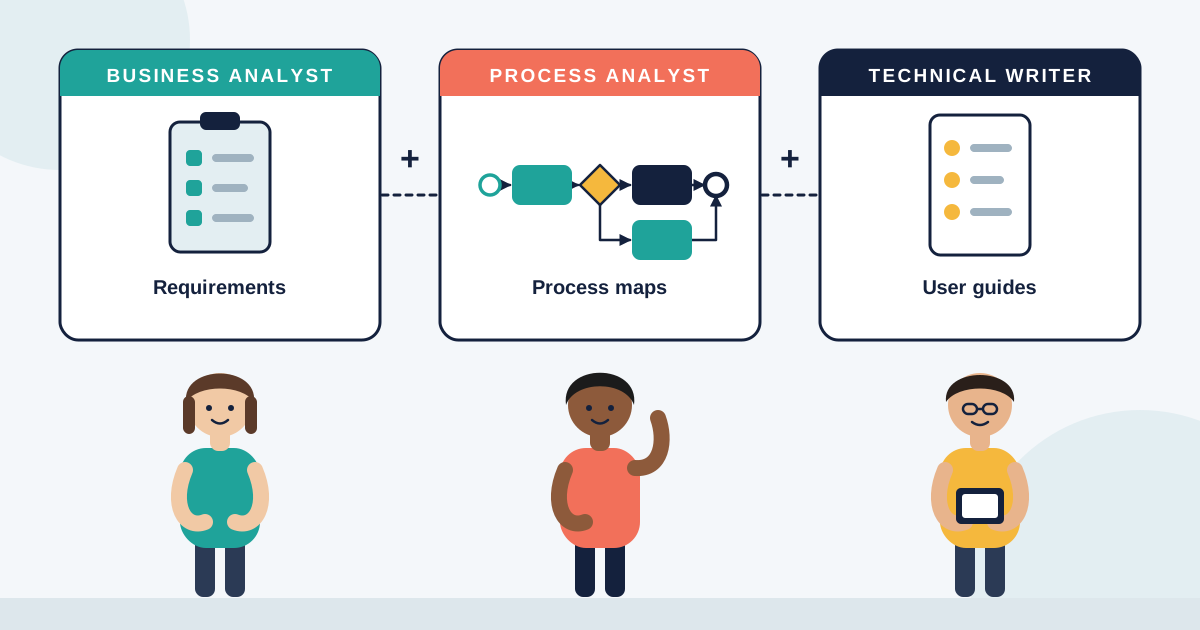
- Write the work down. A lot of meetings exist only to explain how things work.
That last one is the cheapest fix.
A clear process map plus a good SOP can replace a surprising number of calls.
📞 Want fewer meetings?
I map processes, write the documentation, plus help teams get clear on how work happens.
Start with a free 30 minute call.
No pitch, no pressure.
Start a project here https://alisodigital.com/start-a-project/
Aiver Ilaya is the founder of Aliso Digital, a Melbourne IT consultancy. Clients call me at the difficult point. The system is coming, nobody agrees on how the work is done today, and go live is close.