
Businesses spend millions rolling out new systems.
Yet, most struggle with adoption.
I have spent over a decade working on digital transformation projects, helping change teams, training managers, and frontline employees get used to new systems.
I have seen the same mistakes happen again and again.
The issue is not the software.
It is how people learn, adapt, and react to change.
Resistance, confusion, and poor documentation cause more rollout failures than bad tech ever will.
Here is what I have learned after 10 years in the trenches.
New Systems Fail When People Do Not Use Them
Most businesses assume that if they roll out a great system, employees will automatically start using it.
That does not happen.
People do not like change, especially when they are already busy, comfortable, and under pressure.
When employees do not understand the system or see its value, they stick to their old ways.
This means:
❌ Workarounds instead of following the new process
❌ Employees asking each other instead of using the system
❌ Errors, delays, and frustration across teams
A new system only succeeds if people use it properly.
And that does not happen just because the tech is good.
Resistance Is the Biggest Barrier to Adoption
After working on multiple projects, I have seen firsthand that most employees do not resist change because they are lazy or difficult.
They resist because:
📌 They were not included in discussions about the system early on
📌 They were not trained properly and feel lost
📌 The system seems harder than their current process
📌 They are not sure if it benefits them or just the business
When employees do not trust a new system, they will avoid using it whenever possible.
Good change teams know this and manage resistance early.
They involve employees before the system rolls out, listen to their concerns, and make them part of the process.
Bad Documentation Makes Everything Worse
I have seen so many projects fail because of bad documentation.
If employees cannot find clear instructions, they will not use the system properly.
The most common mistakes I have seen in system documentation:
❌ Too much text—nobody wants to read long, boring manuals
❌ No visuals—people learn faster with process maps and screenshots
❌ Hard to access—buried in emails or outdated SharePoint folders
❌ Does not match real workflows—written by IT, not by the people who actually use the system
When documentation is unclear, missing, or hard to use, employees skip it completely.
Instead, they:
📌 Ask a coworker
📌 Try to figure it out themselves
📌 Make mistakes that slow everything down
This kills adoption.
Clear, simple, step-by-step guides make a huge difference.
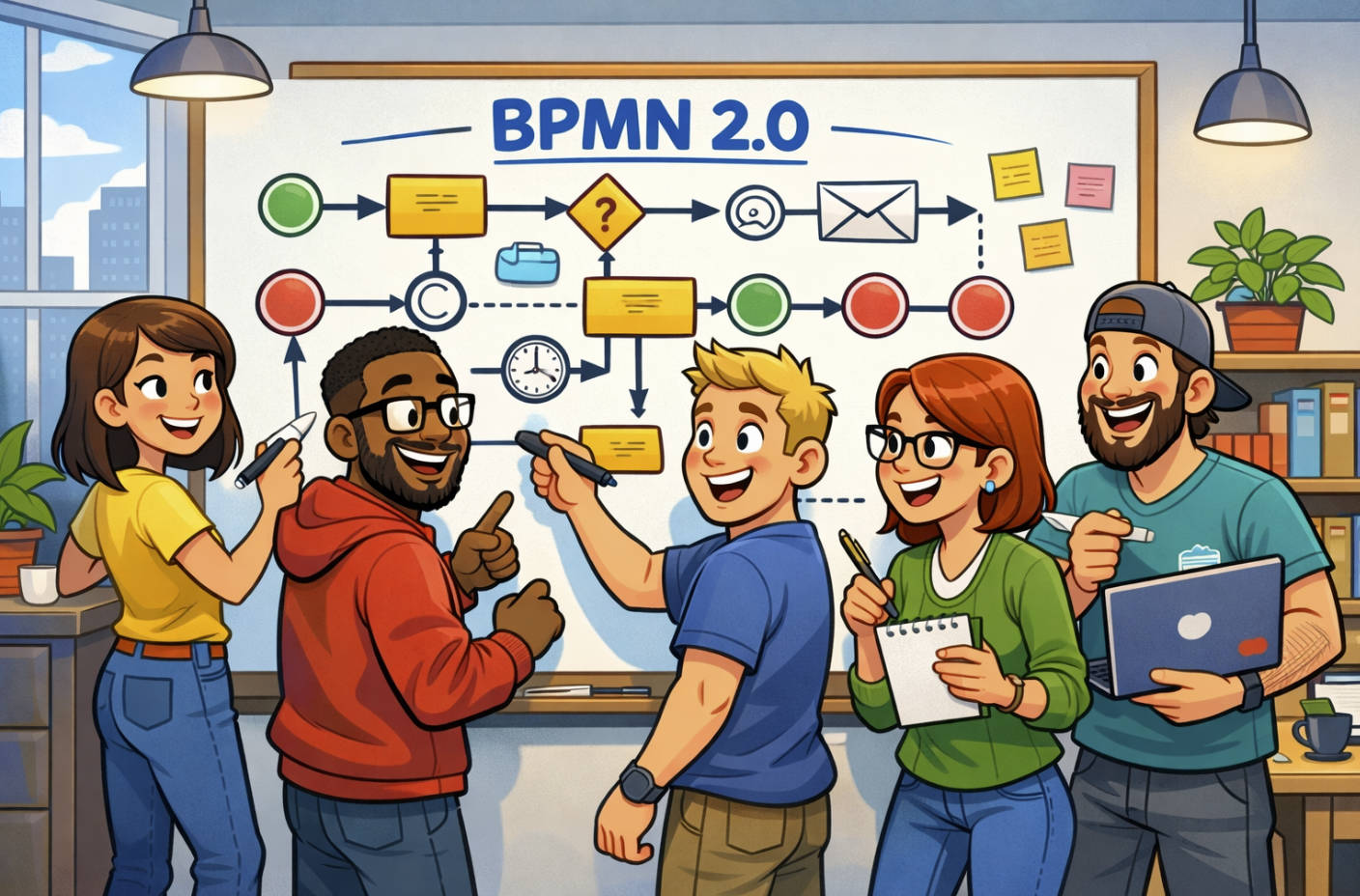
Process maps, screenshots, and short, searchable guides help people find answers quickly and get back to work.
Training Needs to Be Short, Practical, and Ongoing
Most system rollouts fail at training.
Too often, businesses run one training session and expect employees to remember everything.
That does not work.
People forget 50% of what they learn within one hour if they do not apply it right away.
Employees need:
✅ Short, practical training—not long PowerPoint lectures
✅ Hands-on practice—learning by doing, not just watching
✅ Ongoing support—quick guides, cheat sheets, and FAQs
If training is boring, overwhelming, or hard to follow, employees check out fast.
Good training focuses on what employees actually need to do, not just how the system works.
Change Teams That Focus on People Succeed
The best digital transformation projects do not just focus on the system.
They focus on the people using it.
Change teams that succeed:
📌 Communicate early—so employees know what is coming
📌 Listen to feedback—so problems are fixed before rollout
📌 Provide easy-to-use documentation—so employees can find answers fast
📌 Train in a way that works—so people feel confident using the system
When employees trust the process and feel supported, adoption is much smoother.
The Biggest Takeaway from 10 Years in Digital Transformation
Technology does not fail.
People fail to use it.
And when employees do not use a new system properly, businesses lose time, money, and patience.
After 10 years working on multiple digital transformation projects, I know one thing for sure:
The businesses that prioritise people, training, and documentation have smoother rollouts, faster adoption, and fewer costly mistakes.
If a system rollout is not planned around how employees learn and work, it will fail—no matter how good the technology is.