
Why Standard Operating Procedures Matter
Businesses rely on Standard Operating Procedures (SOPs) to keep things running smoothly.
But who actually writes SOPs?
Some companies assign it to a manager or admin staff. Others expect employees to figure it out.
The result? Confusing, inconsistent, and outdated procedures that no one follows.
A technical writer makes sure SOPs are clear, structured, and actually useful.
Who Actually Writes SOPs?
Many businesses don’t know who to call when they need an SOP written.
They might Google:
- Who writes business policies?
- Who documents procedures?
- Who can help with standard operating procedures?
The answer? A technical writer.
Unlike an admin or manager, a technical writer specialises in turning complex processes into step-by-step instructions.
✅ Uses structured formats for easy readability
✅ Writes in plain language to avoid confusion
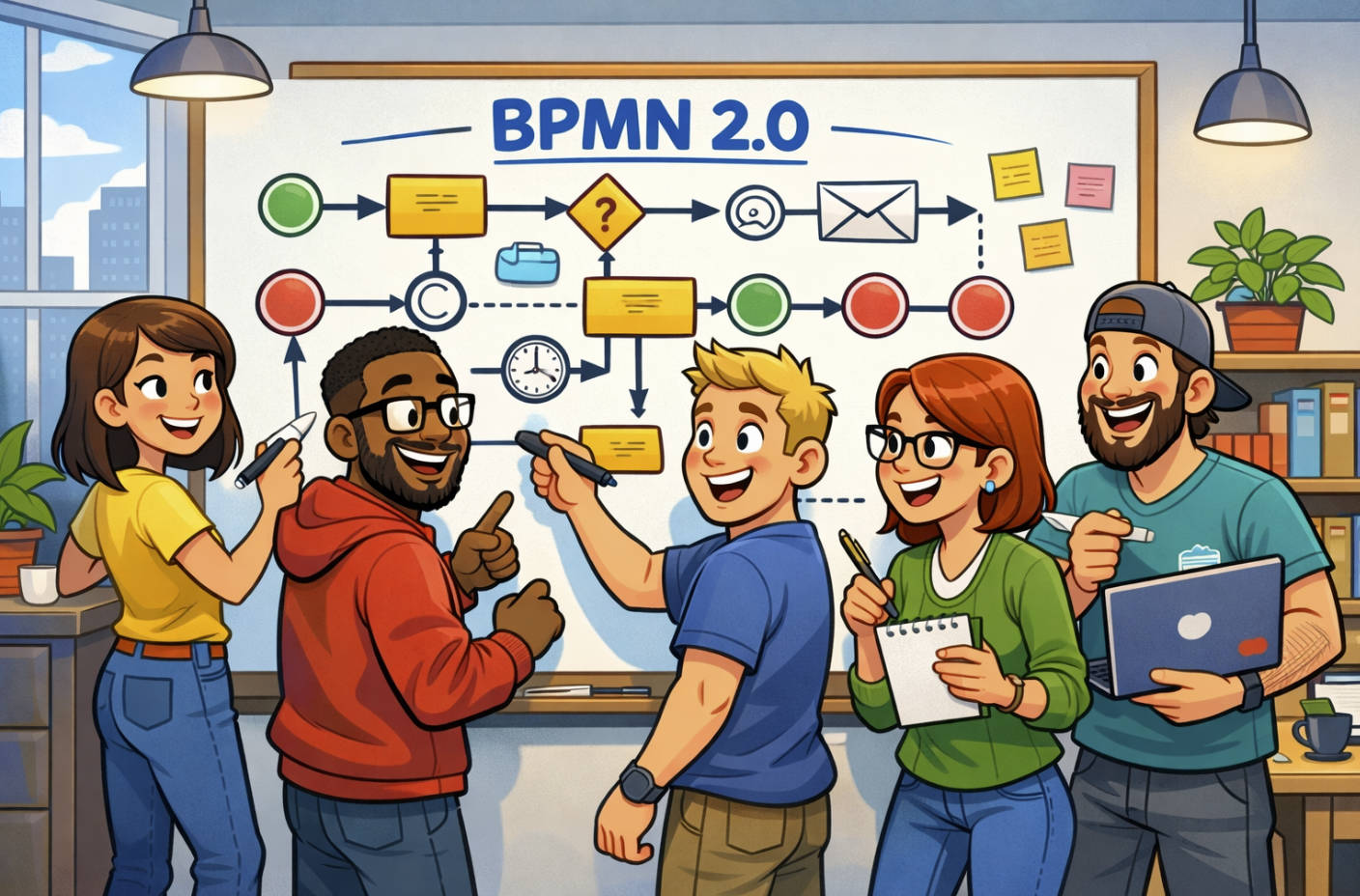
✅ Adds visuals like flowcharts and diagrams
✅ Ensures compliance with industry standards
If your SOPs are confusing, inconsistent, or outdated, you need a technical writer.
Why Most Businesses Get SOPs Wrong
Bad SOPs lead to:
❌ Longer employee training times
❌ Inconsistent processes across teams
❌ Regulatory compliance risks
❌ More mistakes and inefficiencies
A technical writer ensures SOPs are user-friendly and actually followed.
How a Technical Writer Creates Effective SOPs
A good SOP should:
📌 Be clear and concise – Short sentences, bullet points, no fluff
📌 Follow a structured format – Consistent templates and styles
📌 Use visuals where needed – Diagrams, flowcharts, screenshots
📌 Be regularly updated – Processes evolve, and SOPs should too
Need professional SOPs that actually work?
At Aliso Digital, we create structured, clear, and effective Standard Operating Procedures that help businesses operate smoothly.
👉 Visit Aliso Digital to get expert SOP writing today.