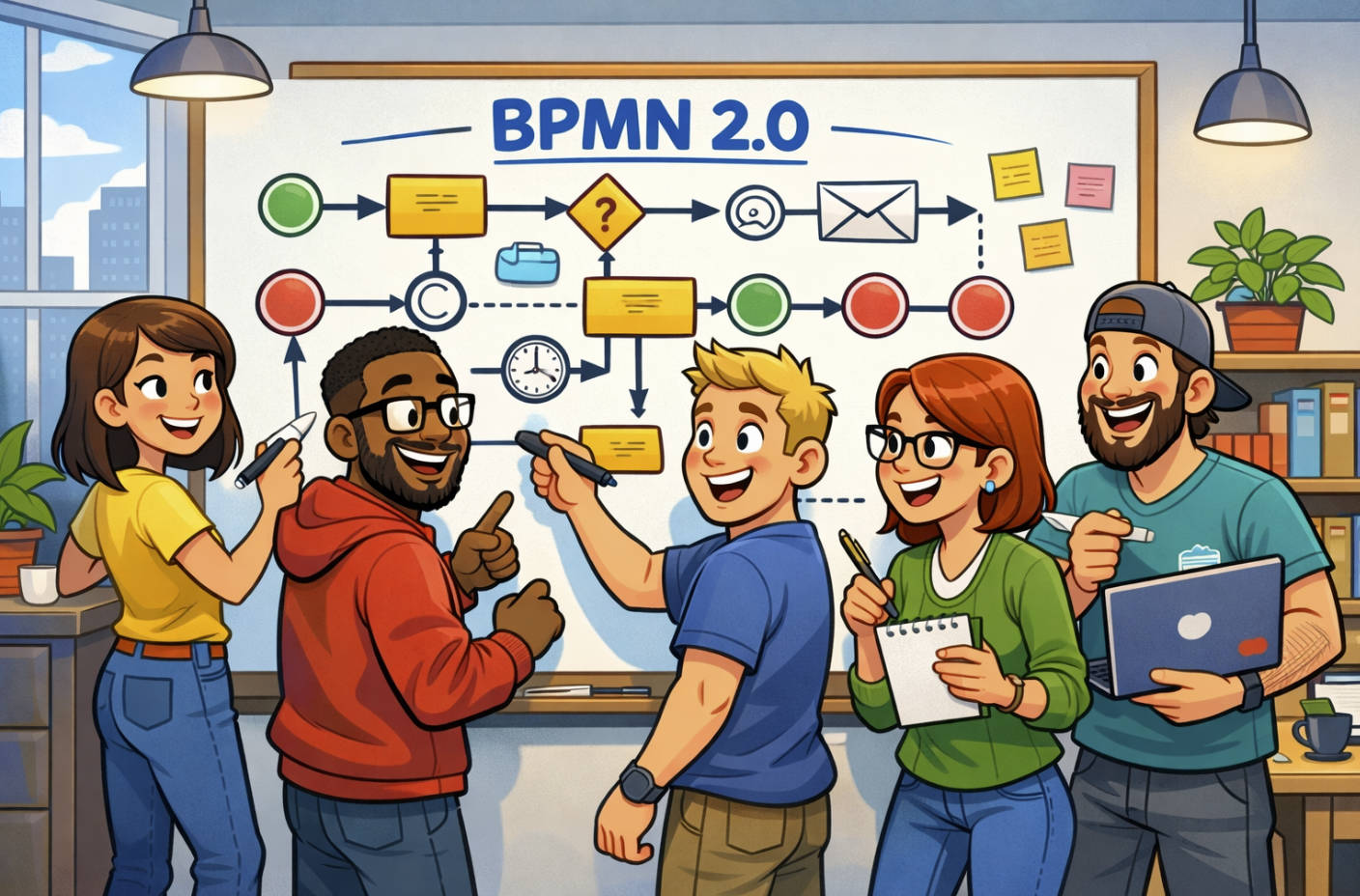

Digital transformation is often seen as a technical challenge, but it’s really about people and processes.
This is where technical writing plays a critical role.
For businesses to move to new systems and technologies smoothly, everyone involved needs to understand how it all works.
Clear and concise documentation ensures everyone is on the same page, reducing confusion and delays.
Without strong technical writing, even the best digital solutions can fail to deliver the results you need.
Why Technical Writing Matters in Digital Projects
Digital projects often involve introducing new tools, processes, or workflows.
These changes can be confusing for employees, managers, and other stakeholders.
Technical writing simplifies the process by creating clear instructions, guides, and documentation that explain how everything works.
When done well, technical writing removes the guesswork.
It ensures that people understand what’s expected of them and how to perform tasks using the new systems.
Good documentation also helps reduce the resistance that often comes with change.
When people feel supported and confident, they’re more likely to adopt new systems and workflows.
Aligning Stakeholders with Clear Documentation
Digital projects involve a lot of people from different departments, each with their own priorities and ways of working.
Miscommunication between teams can lead to delays, errors, or even project failure.
Technical documentation helps align everyone by providing a single source of truth.
Whether it’s a high-level overview for executives or step-by-step instructions for end-users, well-written documentation ensures that all stakeholders have the information they need.
This alignment helps teams work together more effectively, saving time and avoiding costly mistakes.
Supporting System Implementation
Rolling out new systems can be overwhelming without proper guidance.
Employees often struggle to learn new tools while still managing their daily responsibilities.
Technical writing bridges this gap by providing clear resources like user manuals, quick-reference guides, and FAQs.
These documents help users understand the system’s purpose, how to navigate it, and how to solve common issues.
For example, a well-structured user guide can save hours of training time by answering common questions before they even arise.
This not only makes the transition smoother but also helps teams get up to speed faster, reducing downtime.
Reducing Errors and Improving Efficiency
When processes or systems are poorly documented, mistakes are more likely to happen.
Employees might follow outdated workflows or make assumptions about how a system works.
Clear technical documentation reduces these risks by providing accurate and up-to-date information.
It gives teams a reliable resource they can refer to whenever they need guidance.
This improves efficiency and ensures that tasks are completed correctly the first time.
Creating a Long-Term Knowledge Base
The benefits of good technical writing don’t end once a system is implemented.
Documentation serves as a long-term knowledge base that teams can use for training, troubleshooting, and process improvement.
For example, when new employees join, they can use the documentation to learn how to use systems and follow procedures without relying on others for constant guidance.
It also supports continuous improvement by making it easier to identify gaps or inefficiencies in current processes.
By updating the documentation over time, businesses can ensure it remains relevant and useful as systems evolve.
What Makes Technical Writing Effective
Not all documentation is created equal.
To be effective, technical writing needs to be clear, concise, and user-focused.
Avoid jargon or overly technical language that might confuse the audience.
Use visuals like flowcharts, screenshots, or diagrams to make information easier to understand.
Structure the content logically so users can find what they need quickly.
Focus on the user’s perspective and consider what questions they might have or what challenges they could face.
The goal is to make the information as accessible and helpful as possible.
The Role of Technical Writers
Professional technical writers are skilled at creating documentation that bridges the gap between technical experts and everyday users.
They work closely with subject matter experts, project managers, and end-users to gather information and ensure it’s communicated clearly.
Technical writers also ensure that documentation is consistent and aligned with the organisation’s goals.
They create materials that are not just functional but also polished and professional.
The Bottom Line
Technical writing plays a vital role in the success of any digital project.
It ensures that everyone involved understands the new systems and workflows, reducing confusion and resistance.
With clear and concise documentation, businesses can implement changes more efficiently, avoid costly mistakes, and create a stronger foundation for long-term success.
If you’re planning a digital project, don’t underestimate the value of technical writing.
It’s not just about creating user manuals. It’s about ensuring your people have the tools and knowledge they need to make the most of your investment.