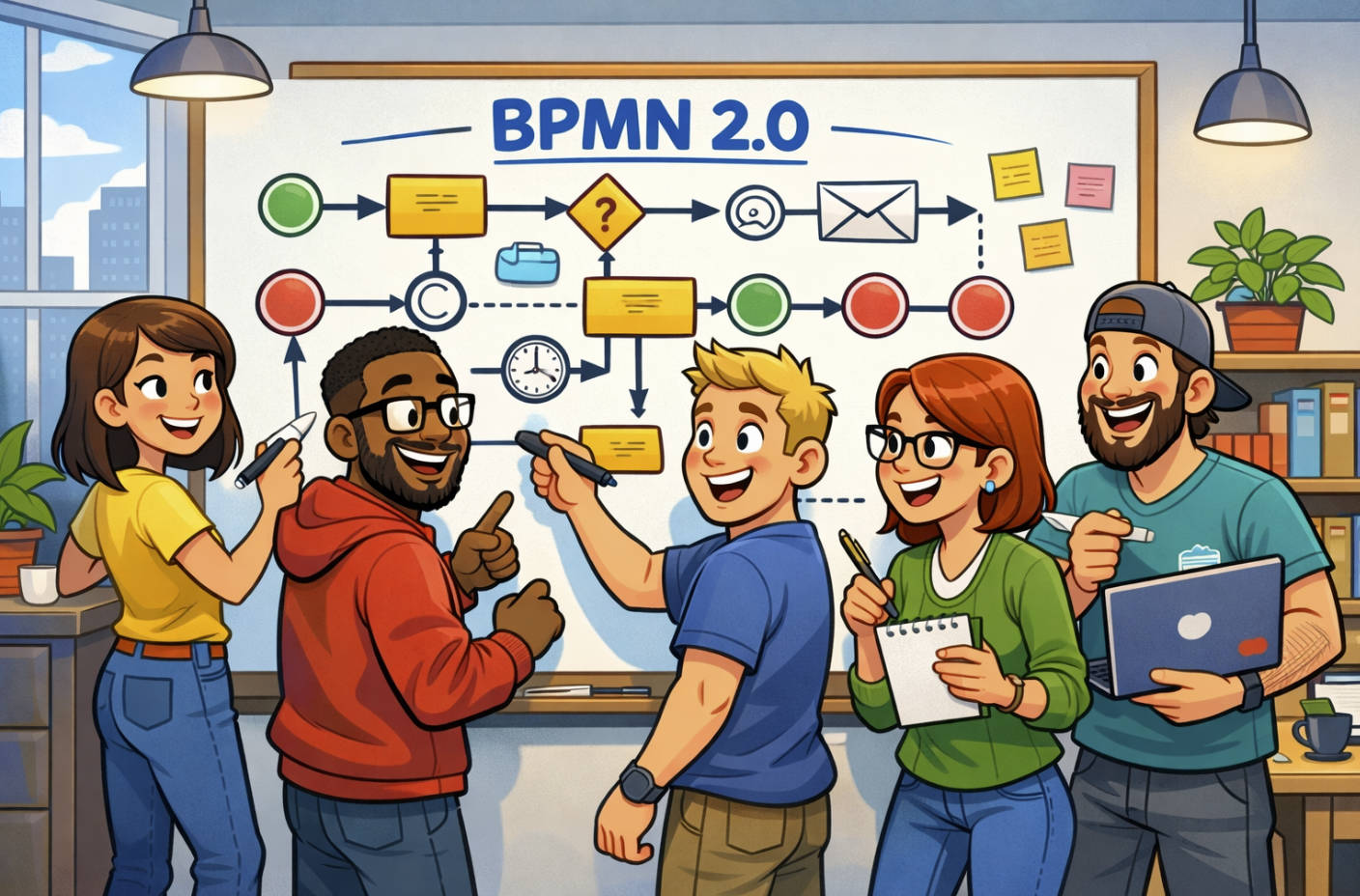

🌱 Change Is About People Not Just Processes
After 11 years in business and process analysis, one truth has stayed consistent — change is never just about workflows, technology, or efficiency. It is about people. A new system or process can look flawless on paper, but if the people living it every day feel unheard, overlooked, or afraid, it will fail.
🛑 Resistance Is Usually Fear Not Stubbornness
One of the most important lessons I’ve learned is that resistance to change rarely comes from stubbornness. Most of the time, it is fear — fear of losing control, fear of not being good enough in the new way of working, or fear that leadership doesn’t understand the reality on the ground. Analysts who treat resistance as defiance miss the opportunity to uncover what people are really worried about. Listening and empathizing turn “pushback” into a partnership.
👂 Listening Builds Trust Faster Than Any Diagram
The first step in successful process change is not drawing a map or building a workflow. It is listening. Employees want to know their voices matter. When you take the time to hear their pain points, frustrations, and hopes, you build trust. And trust is the foundation of adoption. I’ve seen projects succeed not because the process was flawless, but because people felt ownership and alignment.
🧩 Aligning Conflicting Needs Is Part of the Job
Process change almost always brings conflicting priorities. Leadership may want efficiency. IT may focus on system stability. Operations may prioritize speed. End users may just want tools that don’t slow them down. Over the years, I’ve found that analysts must act as diplomats — hearing every side, finding common ground, and framing solutions so everyone feels included. The best process changes don’t silence voices; they weave them together into something stronger.
💡 Communication Overcomes Uncertainty
Silence during change creates anxiety. People fill gaps with worst-case scenarios. I’ve learned that frequent, honest communication — even when the news is “we don’t know yet” — helps calm fears. When employees know what’s happening and why, they are far more willing to adapt. Analysts play a key role in translating technical changes into plain language so no one feels left behind.
🔍 Small Wins Create Momentum
Process change doesn’t always need to start big. Some of the most successful transformations I’ve been part of began with small, visible wins — fixing a frustrating approval step, streamlining one reporting requirement, or automating a repetitive task. These wins show employees that change makes their lives easier, not harder. Over time, that momentum builds confidence and buy-in for bigger shifts.
🧑🤝🧑 Respect and Empathy Outlast Tools
Tools evolve. Methodologies change. AI and automation will continue to reshape process analysis. But people will always remember how you made them feel during times of uncertainty. Respect, humility, and empathy create relationships that outlast any tool. Eleven years in, I’ve learned that the most future-proof skill is not technical expertise — it’s human connection.
🚀 Final Thoughts
The human side of process change is what makes improvements stick. Analysts succeed not because they draw perfect maps, but because they create trust, reduce fear, and help people feel heard. If there is one lesson these 11 years have taught me, it is this: processes may change, but people make change possible.