
What would happen if your most trusted employee didn’t show up tomorrow?
No warning.
No explanation.
No handover.
Just gone.
Maybe they landed a better opportunity.
Maybe they decided to retire early.
Maybe they had no choice.
Whatever the reason, the impact on your business could be devastating.
Suddenly, all the knowledge they held—their understanding of workflows, critical processes, and key relationships—disappears with them.
And your business?
It grinds to a halt.
🚨 The Catastrophic Impact of Knowledge Loss
Knowledge loss is a threat that most businesses ignore—until it’s too late.
It doesn’t come with alarms or warning signs.
It hits when you least expect it.
Here’s how it unfolds:
⏳ 1. Critical Operations Stop
Your team realises they don’t know how to perform essential tasks.
The questions start flooding in:
❓ How do we process urgent client requests?
❓ What happens if the system crashes?
❓ Who knows the approval workflow for this project?
No one has the answers.
And everything stops.
💸 2. The Cost of Playing Catch-Up
When processes aren’t documented, your only option is to start from scratch.
That means:
❌ Hiring consultants to rebuild lost knowledge
❌ Paying overtime as teams scramble to fill gaps
❌ Missing deadlines and losing customer trust
The price?
Time, money, and your reputation.
💀 3. Competitors Gain an Unfair Advantage
What’s worse?
If your key person jumps ship to a competitor.
They take with them:
✅ Insider knowledge of your business operations
✅ Your competitive advantages
✅ Insights into your clients’ needs
And your competitor suddenly knows exactly how to outpace you.
⚡ The Reality: People Leave. Processes Shouldn’t.
Let’s face it.
No one stays forever.
Employees resign.
People retire.
Emergencies happen.
And when they do, the only thing standing between your business and disaster is documentation.
🏗️ Business Process Maps: Your Insurance Policy Against Knowledge Loss
So, how do you protect your business from falling apart?
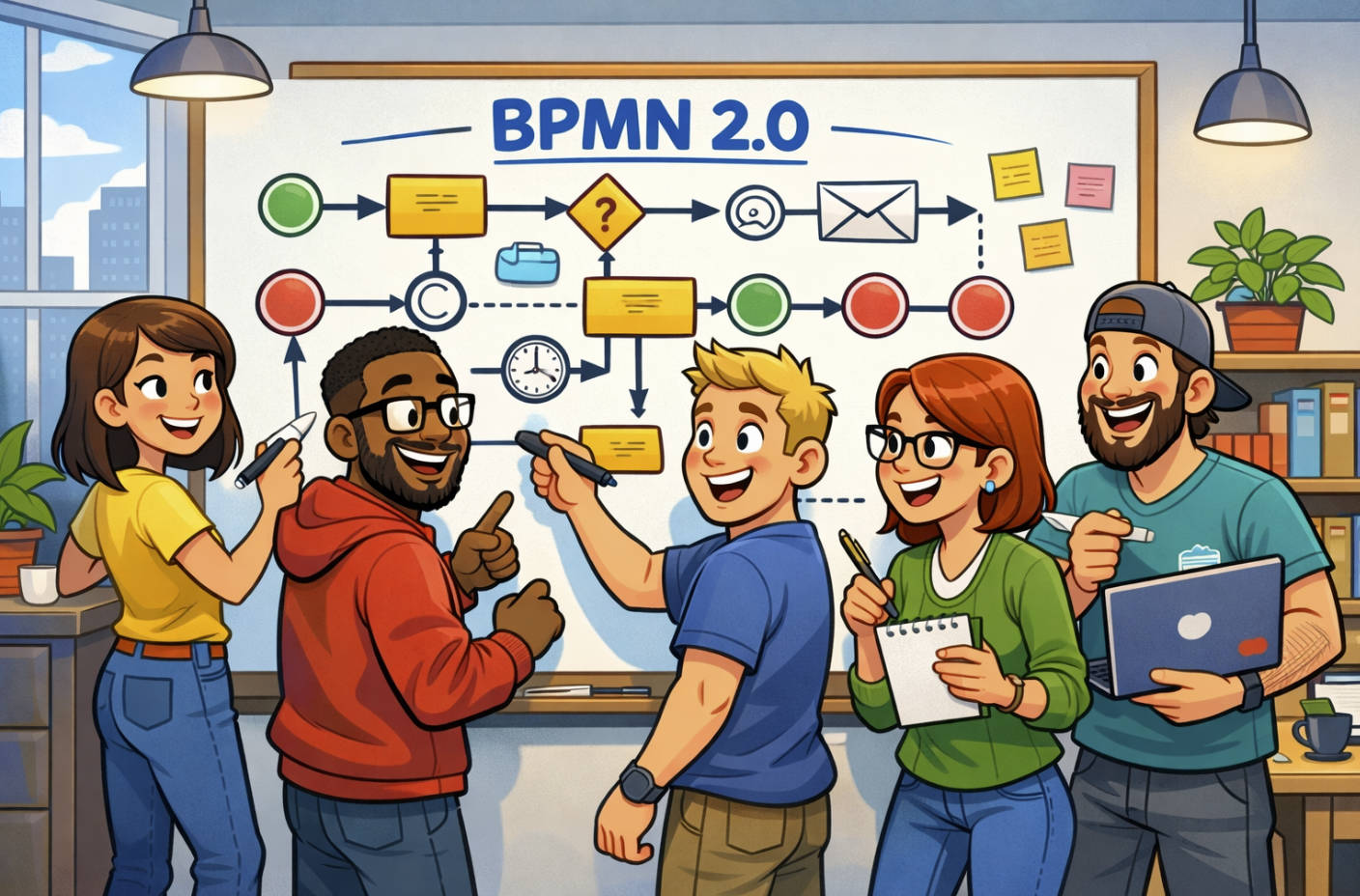
By creating Business Process Maps—visual guides that detail exactly how your operations run.
These maps show:
📌 Who is responsible for what
📌 How tasks move from one stage to another
📌 Which systems support key processes
With process maps in place:
✅ New hires know what to do from day one
✅ Teams operate independently—even when key people leave
✅ Your business keeps running, no matter what happens
🛡️ Why Business Continuity Plans Are Non-Negotiable
Process maps alone aren’t enough.
You also need a Business Continuity Plan (BCP)—a detailed strategy that outlines how your company will continue operating during disruptions.
A solid BCP covers:
⚡ Recovery plans for critical systems
🛡️ Steps for replacing key personnel
📈 Strategies for minimising downtime
With a BCP in place, you won’t be caught off guard.
Because you’ll have a plan that keeps your business running—no matter what.
🔥 The High Cost of Ignoring Knowledge Loss
Let’s break it down:
💡 Retraining Costs: Without documented processes, retraining new staff becomes lengthy and expensive.
⏳ Operational Delays: Projects stall, and clients become dissatisfied when knowledge gaps slow you down.
💸 Lost Revenue: Productivity dips. Deliverables get delayed. And profits plummet.
🚀 Document Now or Pay Later
The truth is simple:
You either invest in documenting your business processes now, or you pay the price later—with time, money, and lost opportunities.
Because when knowledge walks out the door, the cost of rebuilding it from scratch is far higher.
🏃 Take Action Before It’s Too Late
Don’t wait for the panic call.
Don’t wait for the crisis meeting.
Don’t wait until you’re staring at empty desks, wondering what to do next.
Act now.
✅ Map out your business processes.
✅ Create a business continuity plan.
✅ Capture the knowledge that keeps your business alive.
Because the question isn’t if key people will leave.
It’s when.
📞 How Aliso Digital Can Help
At Aliso Digital, we specialise in helping businesses capture their most valuable asset: knowledge.
We provide:
✅ Business Process Mapping – Visual workflows that ensure operational continuity.
✅ Business Continuity Plans – Strategies for surviving disruptions.
✅ Process Documentation – Clear, actionable guides to eliminate operational risk.
Don’t leave your business vulnerable.
👉 Visit Aliso Digital and secure your business today.