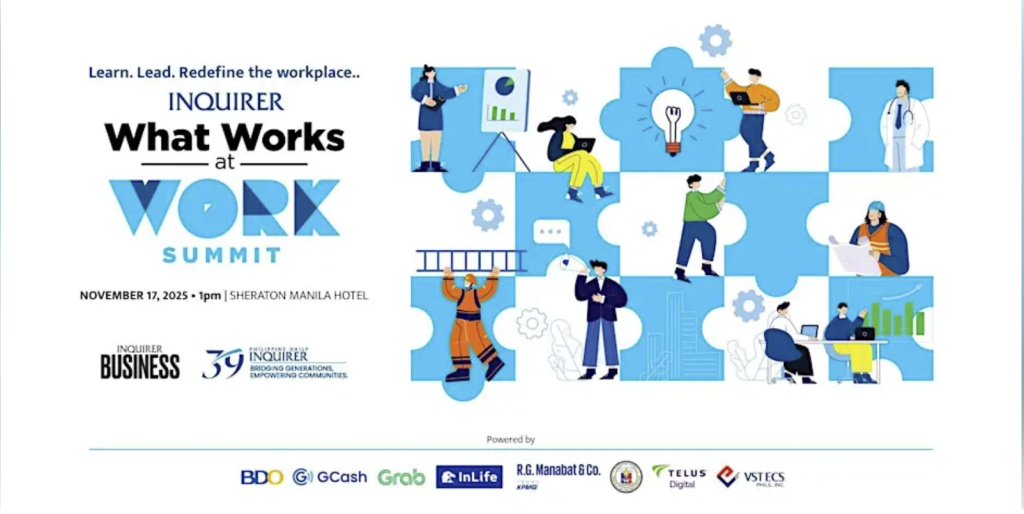


It’s been a solid chance to connect with people who are genuinely pushing workplace innovation and better ways of working across the country.
As a company director at Aliso Digital, I pay close attention to how organisations are adapting and where real improvements are happening.
This summit gave me a front row view into how leaders are navigating change without losing sight of what matters most.
People.
The sessions brought together business leaders, HR practitioners and transformation teams who were open about the challenges they face.
Hearing them talk about burnout, shifting expectations and the pressure to deliver more with less felt honest and relatable.
It was good to see conversations centred not just on technology but on culture, trust and communication.
One theme kept showing up.
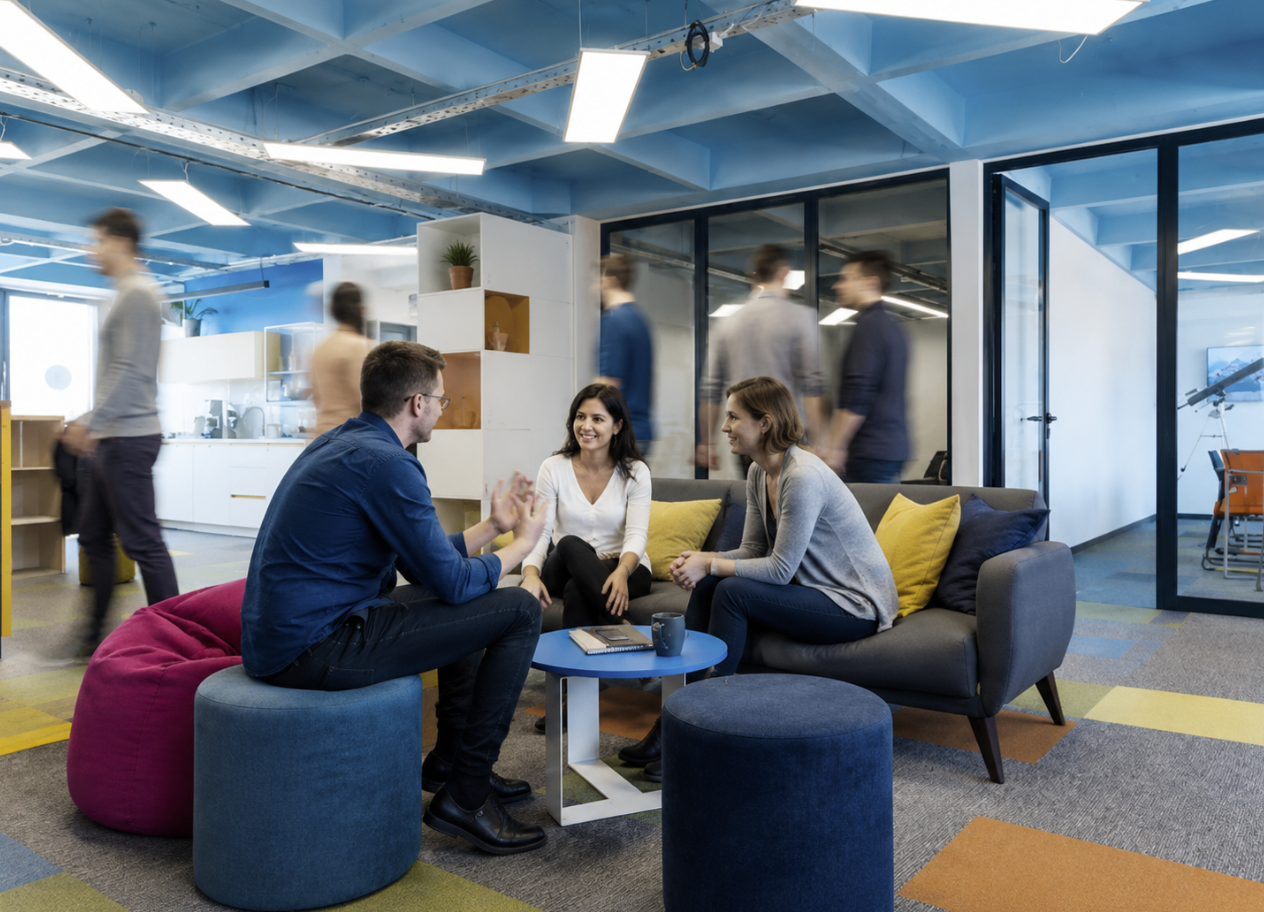
Workplaces thrive when people feel supported, heard and given the space to do meaningful work.
It sounds simple, but it’s surprising how often this gets overlooked.
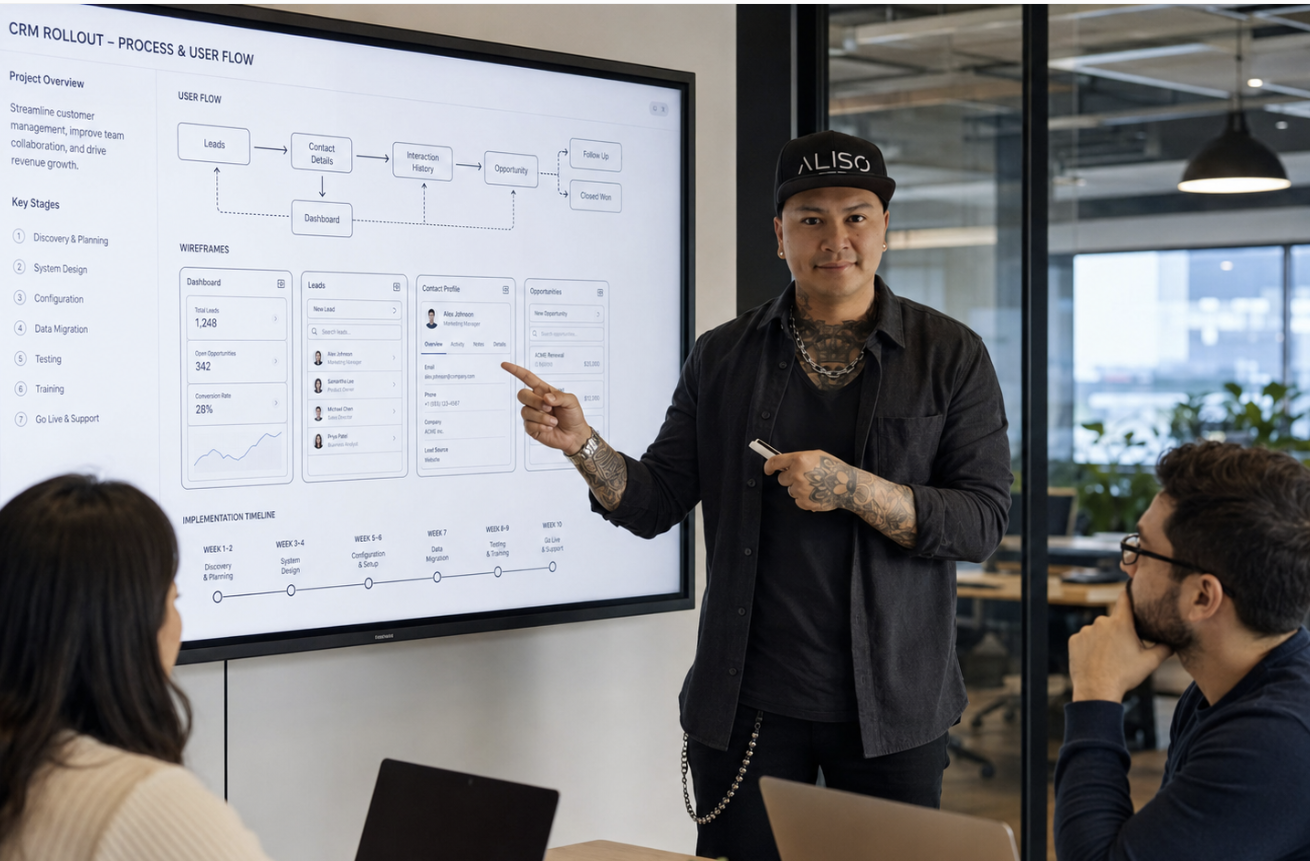
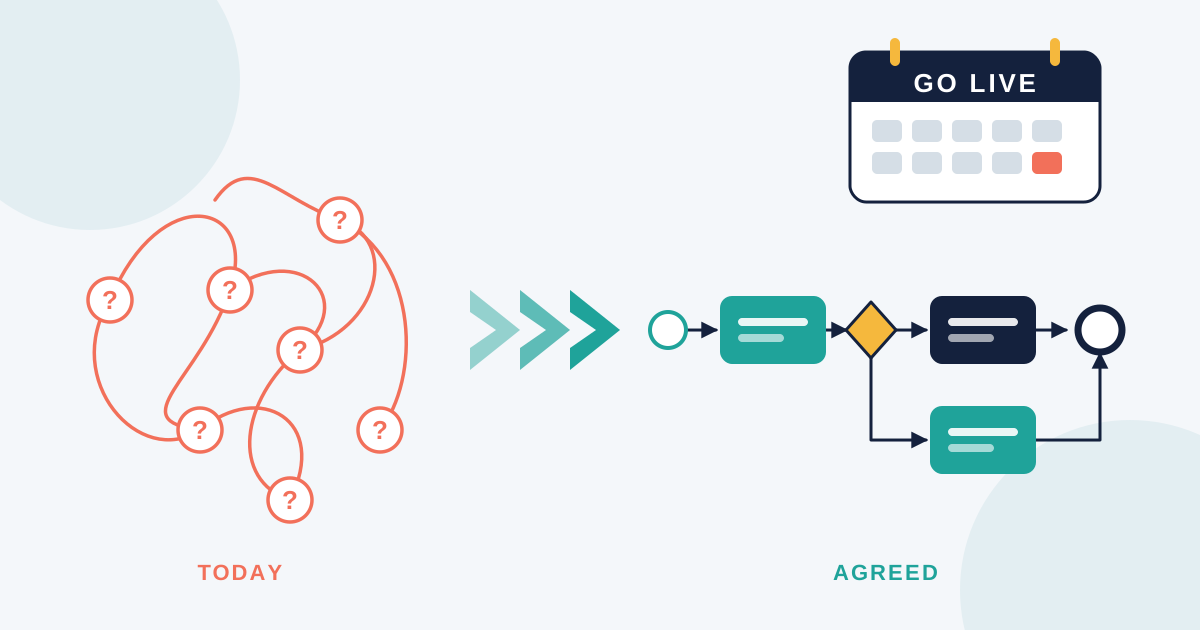
The discussion on process redesign stood out for me.
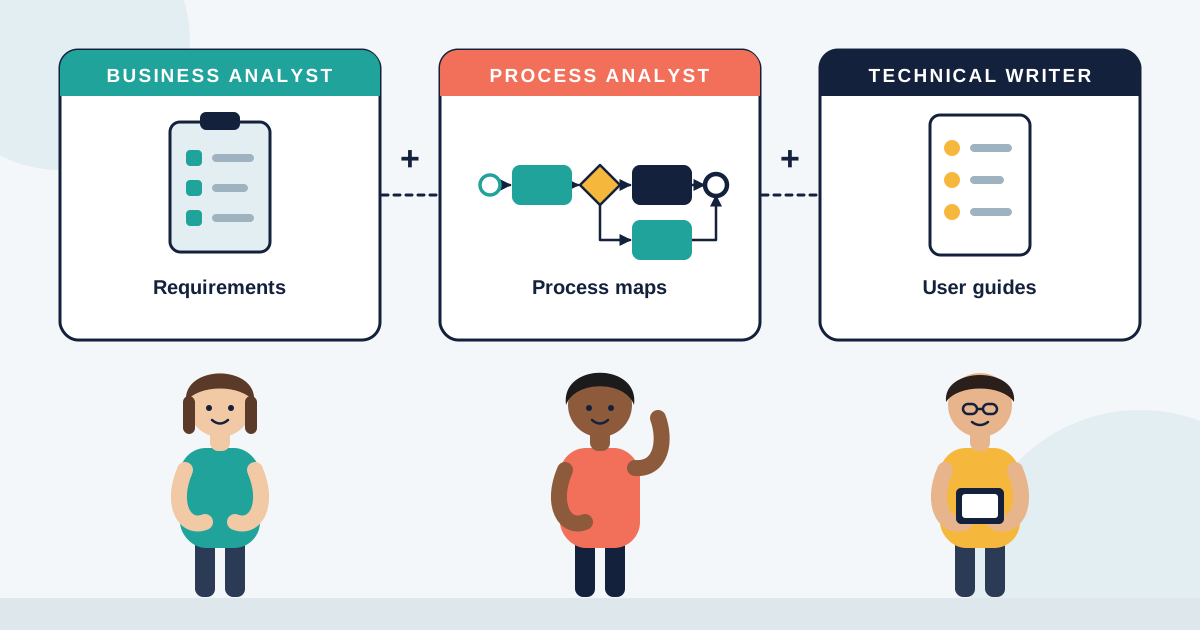
Companies are slowly moving away from complicated workflows and shifting toward clarity and simplicity.
The focus now is on helping teams work with fewer barriers and more alignment.
Another strong point was the emphasis on employee experience.
Not as a buzzword but as an operating principle.
Speakers highlighted how small changes in communication, recognition and team rhythms can shift morale faster than big technology rollouts.
Data driven decision making was another highlight.
Leaders shared how they use insights to shape policies, support wellbeing and adjust to fast moving expectations.
It reinforced something I’ve seen at Aliso Digital.
When decisions are backed by both data and genuine listening, outcomes always land better.
The summit also gave me a chance to meet new people and reconnect with others working in similar spaces.
Those conversations are often where the real gold is.
Hearing what other organisations are experimenting with gave me fresh ideas I can take into my own client work.
I’m heading home feeling grounded and grateful for the conversations.
Events like this remind me that while technology keeps evolving, it is still the human side of work that drives everything forward. 🌏🚀