
🗣️ Why People Matter More Than Documentation
Technical skills and documentation matter.
But when it comes to business process analysis, people workshops and stakeholder management are what truly make change happen.
Documentation is a snapshot.
A process map or requirements doc might look clean on paper, but it rarely captures the messy reality of human collaboration.
🤝 The Power of Workshops
Workshops are different.
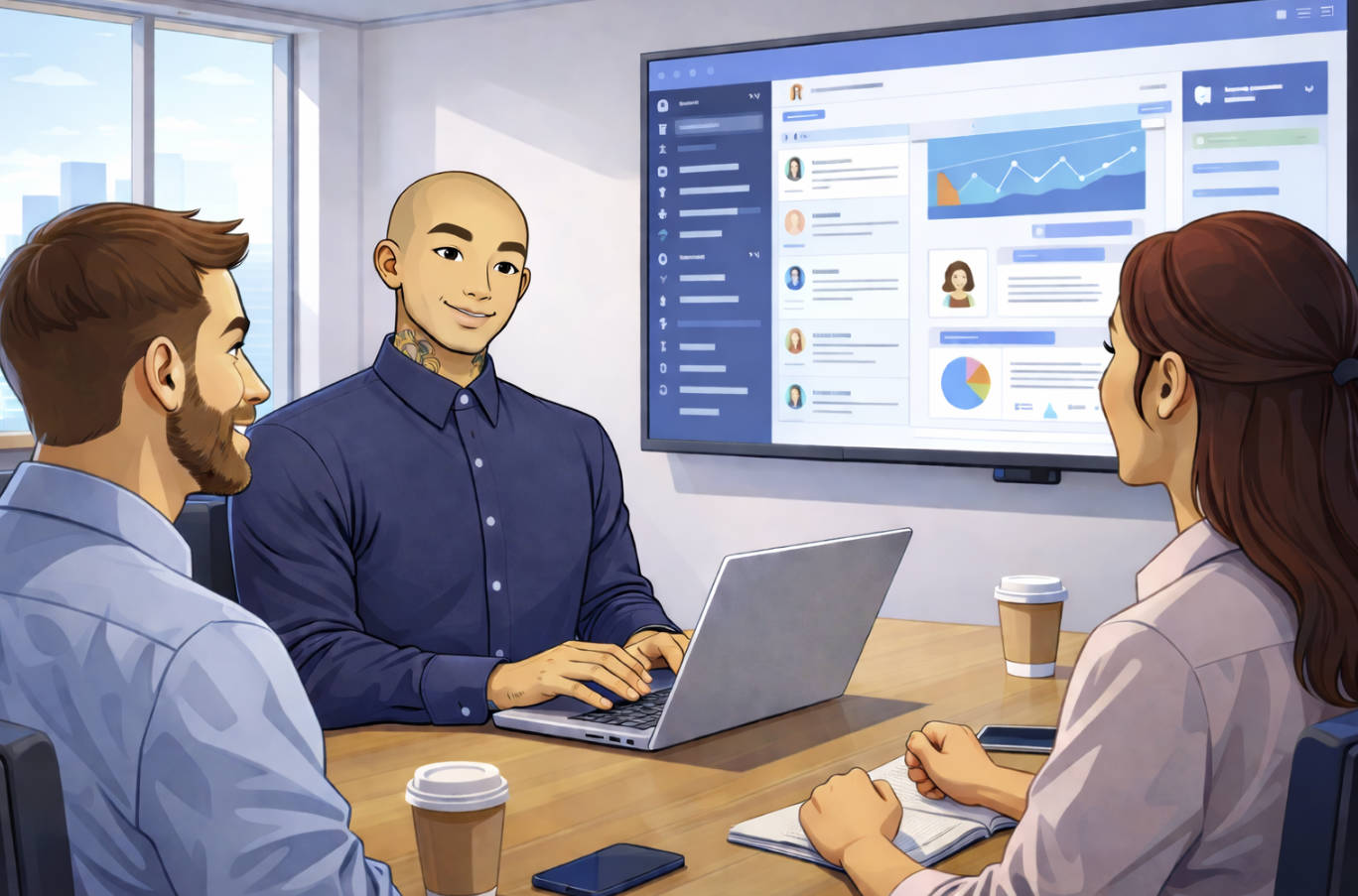
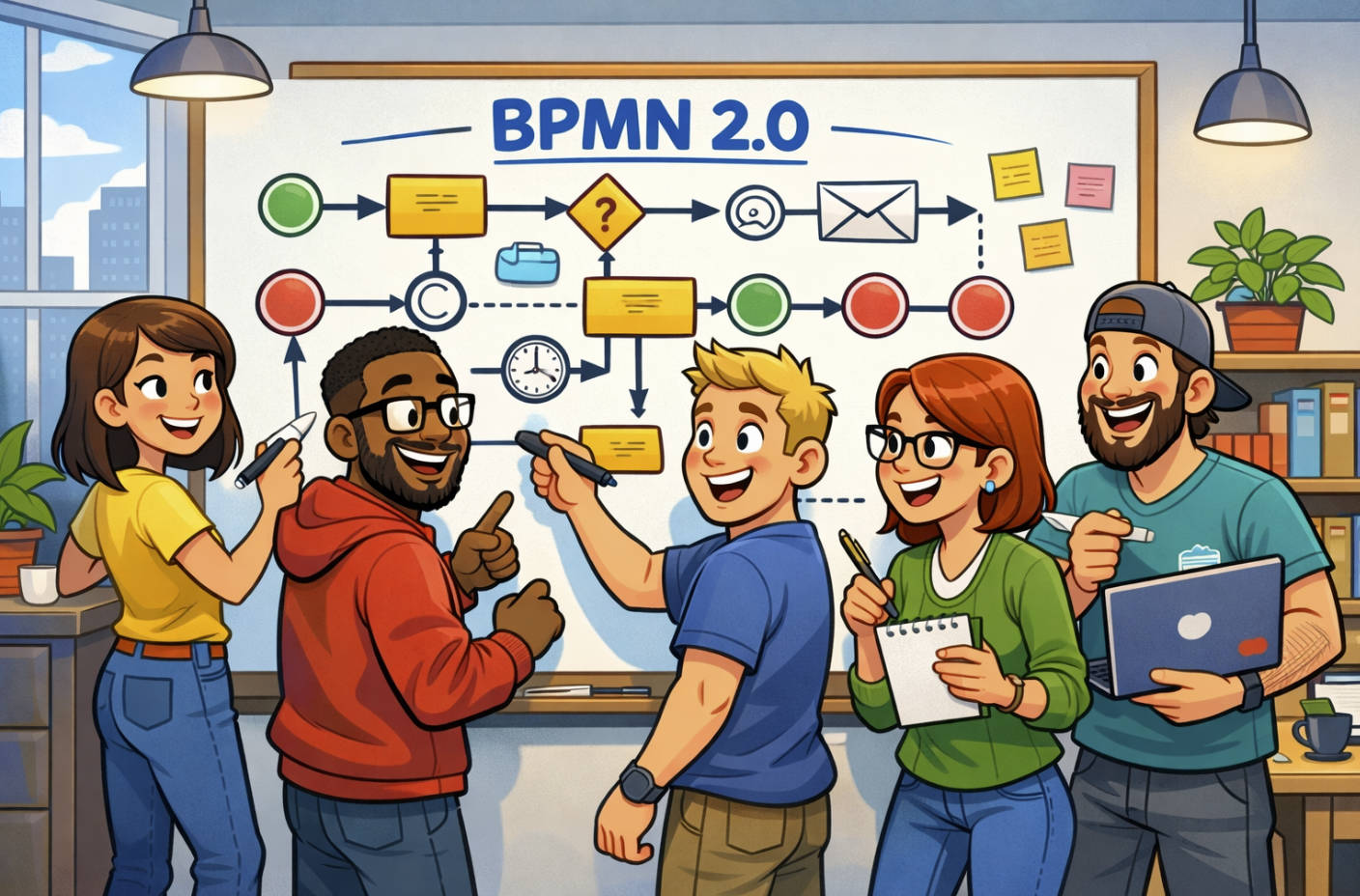
They bring people into the same room, surface hidden concerns, and build a shared understanding of what needs to change.
The conversation itself is the real tool.
👀 Stakeholder Management as the Analyst’s Core Skill
Stakeholder management is where analysts show their value.
It’s not just about asking the right questions.
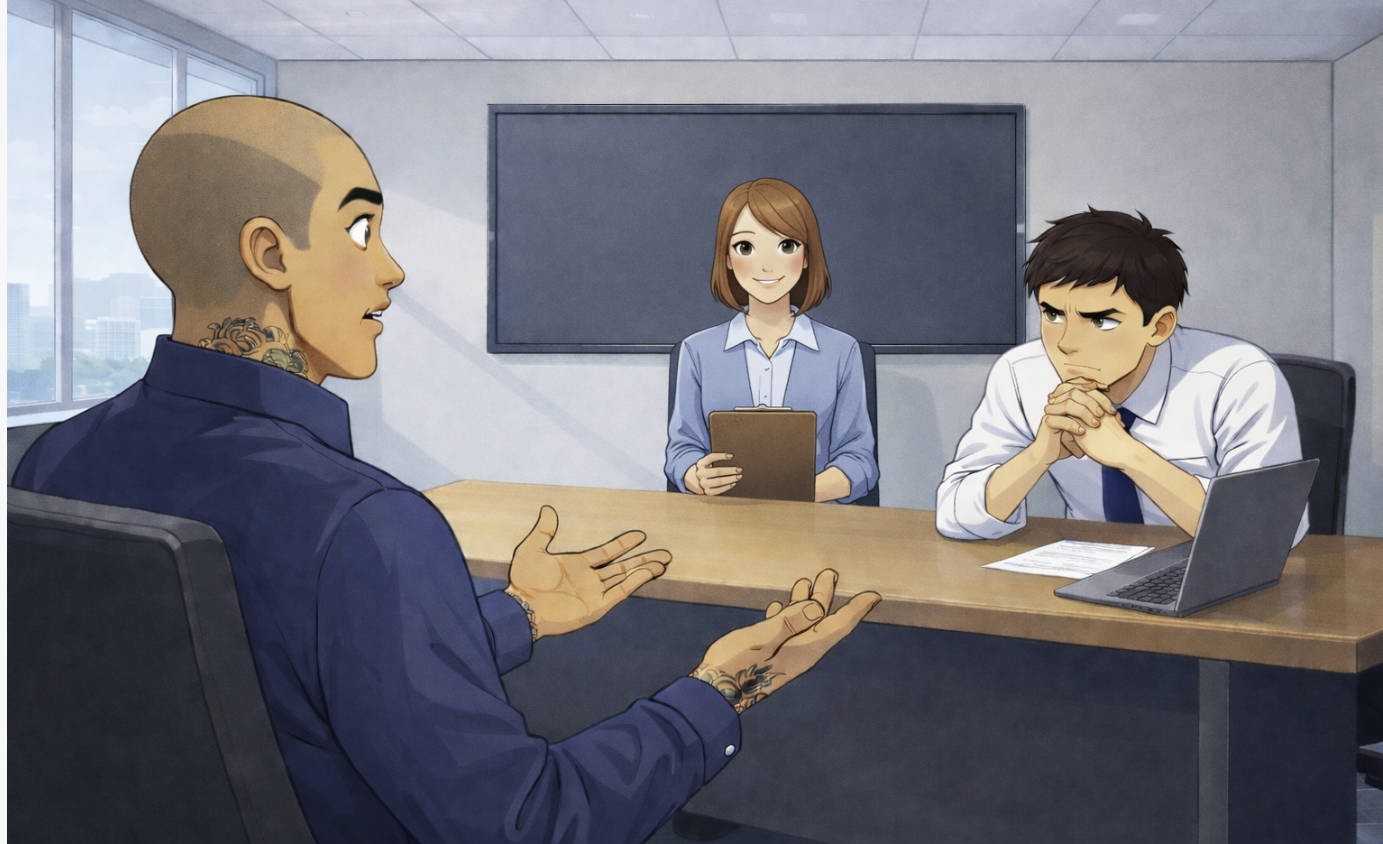
It’s about listening, observing body language, and understanding unspoken fears that stop people from supporting change.
One stakeholder might worry about system downtime.
Another might fear that automation will make their role redundant.
If those concerns stay hidden, no amount of technical documentation will fix the problem.
The analyst’s role is to hear those voices, validate them, and guide the group toward solutions that balance priorities.
💡 Emotional Intelligence in Action
That’s where emotional intelligence comes in.
Good analysts read the room.
They know when to push for detail and when to step back and let others talk.
They can navigate conflicting interests without taking sides, making everyone feel respected.
This people-first approach builds trust.
When stakeholders trust you, they share more openly.
They’re honest about bottlenecks, frustrations, and risks that would otherwise stay under the surface.
And once that trust is established, change accelerates.
Buy-in comes naturally because people feel heard, not steamrolled.
📄 Where Documentation Fits In
Documentation still has its place.
It formalises agreements, aligns teams, and provides a record.
But it should come after the conversations, not before.
The best requirements docs are summaries of real dialogue, not assumptions written in isolation.
As analysts, our credibility isn’t measured by how many diagrams we produce.
It’s measured by how effectively we can bring people together, resolve differences, and create processes that actually work in the real world.
🌟 Final Thought
That’s why workshops and stakeholder management outshine technical expertise every time.
They make analysis human.
They make change stick.
And most importantly, they remind us that behind every process, there are people whose voices deserve to be heard.
Technical skills and documentation matter.
But when it comes to business process analysis, people workshops and stakeholder management are what truly make change happen.
Documentation is a snapshot.
A process map or requirements doc might look clean on paper, but it rarely captures the messy reality of human collaboration.
Workshops are different.
They bring people into the same room, surface hidden concerns, and build a shared understanding of what needs to change.
The conversation itself is the real tool.
Stakeholder management is where analysts show their value.
It’s not just about asking the right questions.
It’s about listening, observing body language, and understanding unspoken fears that stop people from supporting change.
One stakeholder might worry about system downtime.
Another might fear that automation will make their role redundant.
If those concerns stay hidden, no amount of technical documentation will fix the problem.
The analyst’s role is to hear those voices, validate them, and guide the group toward solutions that balance priorities.
That’s where emotional intelligence comes in.
Good analysts read the room.
They know when to push for detail and when to step back and let others talk.
They can navigate conflicting interests without taking sides, making everyone feel respected.
This people-first approach builds trust.
When stakeholders trust you, they share more openly.
They’re honest about bottlenecks, frustrations, and risks that would otherwise stay under the surface.
And once that trust is established, change accelerates.
Buy-in comes naturally because people feel heard, not steamrolled.
Documentation still has its place.
It formalises agreements, aligns teams, and provides a record.
But it should come after the conversations, not before.
The best requirements docs are summaries of real dialogue, not assumptions written in isolation.
As analysts, our credibility isn’t measured by how many diagrams we produce.
It’s measured by how effectively we can bring people together, resolve differences, and create processes that actually work in the real world.
That’s why workshops and stakeholder management outshine technical expertise every time.
They make analysis human.
They make change stick.
And most importantly, they remind us that behind every process, there are people whose voices deserve to be heard.