

😀 Why People Skills Matter for Analysts
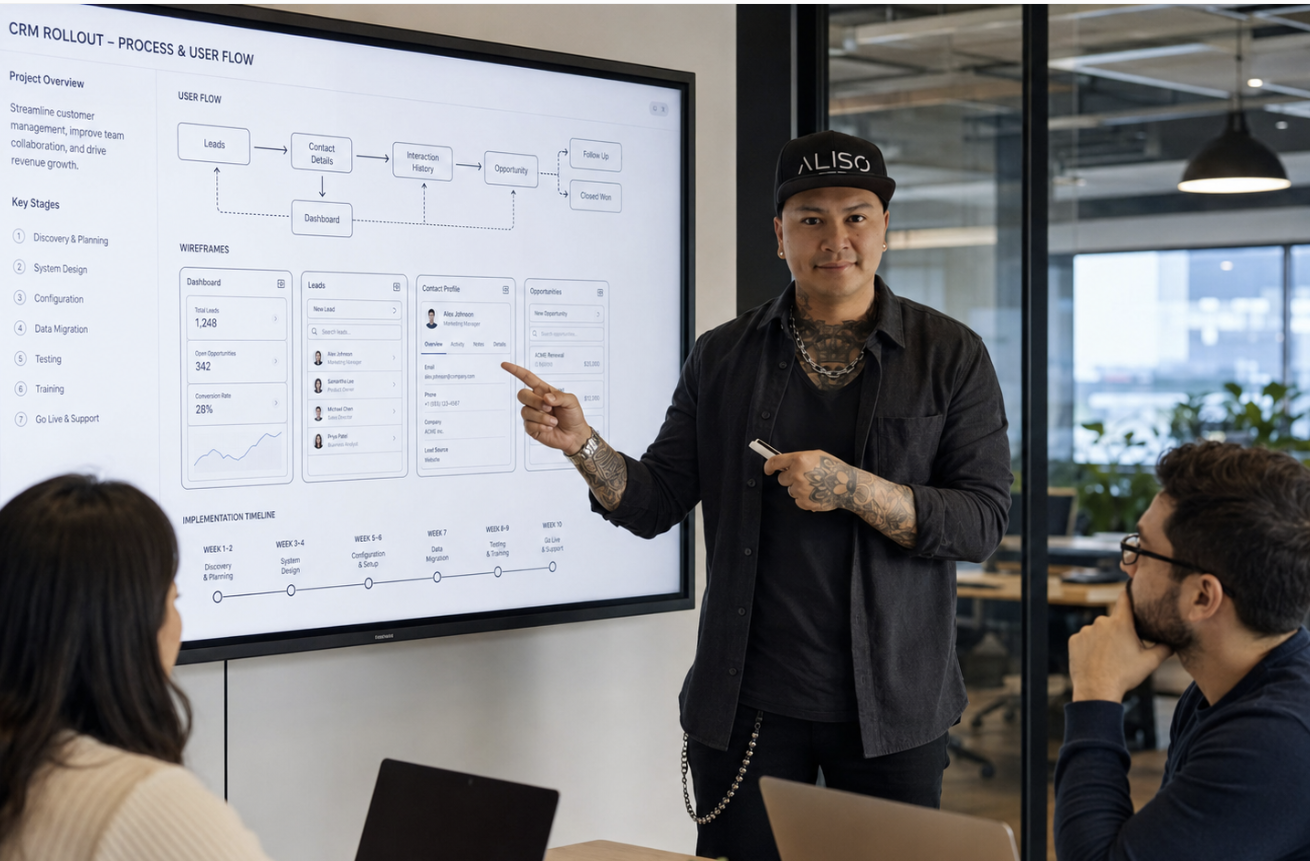
Being a process analyst is not just about mapping workflows and designing improvements. It is also about working with people, building trust, and creating alignment. AI and automation may handle data crunching, but human connection remains a unique advantage. Having strong people skills turns an analyst from a technical note-taker into a valued partner who bridges the gap between stakeholders and solutions.
🗣️ Listening as the Analyst Superpower
Listening is one of the most underestimated skills in business analysis. Stakeholders often do not say exactly what they need; they share concerns, frustrations, or stories. The analyst’s job is to listen actively, read between the lines, and translate unstructured input into actionable requirements. By practicing patience and curiosity, analysts uncover the real problems that diagrams or frameworks alone cannot reveal.
🤝 Building Relationships Through Personality
A good personality sets the tone for collaboration. Process analysts who show warmth, approachability, and empathy are more likely to create open conversations. This matters in interviews and workshops where stakeholders may feel hesitant to share challenges. A smile, a respectful tone, and genuine interest break down barriers and encourage transparency. People are more likely to trust analysts who treat them as partners, not just data sources.
📊 People Skills in Stakeholder Interviews
Interviews are the core method analysts use to gather requirements. Technical questions are important, but it is the interpersonal approach that makes the difference. Great analysts:
- Build rapport before diving into details.
- Ask open-ended questions that invite reflection.
- Use silence to encourage stakeholders to expand their answers.
- Confirm understanding by paraphrasing key points.
This approach ensures the analyst does not just collect information, but also earns credibility.
💡 Why Listening Beats Logic in Analysis
Logic provides structure, but listening provides context. A perfectly logical solution can still fail if it does not consider human factors such as resistance, workflow habits, or unspoken goals. Analysts who prioritize listening can anticipate risks, design smoother adoption plans, and create processes people actually want to use.
🌟 Personality as a Competitive Edge
Organizations often face a choice between two analysts: one who knows every technical acronym and one who is easy to work with. More often, they choose the latter. Likability and clarity carry long-term impact. Stakeholders remember how an analyst made them feel, not just how technical their diagrams looked. Personality is not a bonus; it is a competitive edge that keeps analysts relevant even as AI tools evolve.
🚀 Final Thoughts
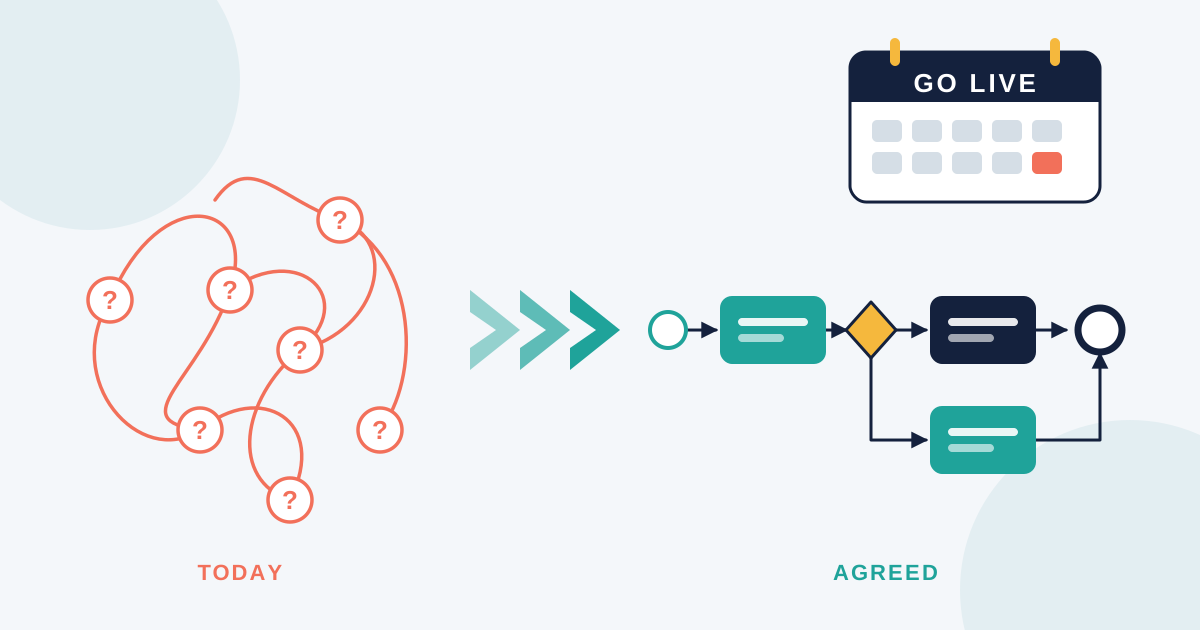
Process analysts succeed not because they know the most frameworks, but because they connect the dots between people and processes. Active listening, empathy, and a strong personality are not soft extras — they are hard-impact skills. In an age where AI handles automation, the human side of analysis is what makes transformation possible. Analysts who master listening and people skills will always be the ones stakeholders want in the room.