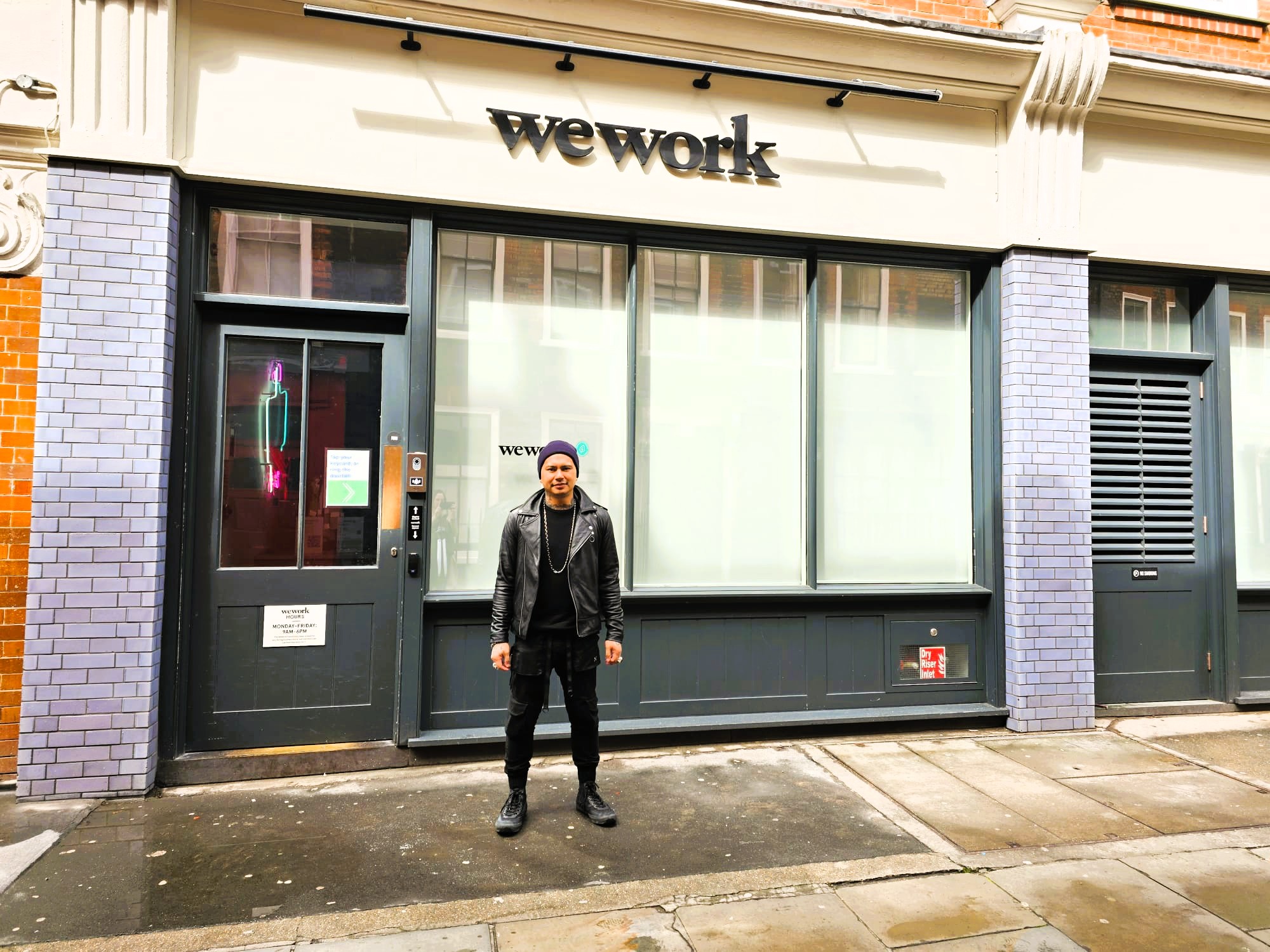

✍️ As a technical writer with 18 years of experience, I’ve seen the industry evolve.
The years from 2019 to 2023 were some of the best for my business.
🚀 COVID-19 brought an unexpected boom in demand for documentation, remote work, and digital transformation.
💻 Companies needed clear, structured content to support the shift to online platforms and remote teams.
Business was thriving.
I could handle multiple clients at once and even hire subcontractors.
But as 2024 rolled in, things changed drastically.
Now, I find myself in a completely different landscape—one where opportunities are drying up, rejection emails pile up, and the future of technical writing feels uncertain.
I had to ask myself:
📉 What’s causing this downturn?
📉 Why is technical writing struggling in Australia?
📉 How do I adapt before it’s too late?
🚀 The Golden Era: 2019-2023
Looking back, the period from 2019 to 2023 was a golden era for technical writers.
📈 Businesses rushed to digitise their operations, rolling out new software, cloud platforms, and remote collaboration tools.
💡 Every change needed documentation—processes, user guides, SOPs, and training materials.
Remote work exploded.
📌 I could take on clients from anywhere without worrying about location.
📌 Companies valued clear documentation more than ever.
📌 I worked with multiple businesses at the same time, scaling my income and expanding my reach.
These years were the strongest my business had ever been.
But by late 2023, things started shifting.
And by 2024-2025, the decline became impossible to ignore.
❌ The Sudden Decline: 2024-2025
I started getting more rejections than ever before.
The same companies that once sought my expertise weren’t hiring anymore.
Projects disappeared.
Freelance opportunities dried up.
Even Melbourne—once a reliable hub for tech writing jobs—felt empty.
What happened?
📉 What’s Behind the Decline in Technical Writing?
Here’s what I found after digging into the data.
🏢 1. The End of the Remote Work Boom
Remote work gave me the freedom to handle multiple clients.
But now?
🚪 Return-to-office mandates are forcing employees back on-site.
💼 Many businesses want in-house tech writers, not remote freelancers.
📌 That means fewer opportunities for contract-based writers like me.
📌 It’s harder to work with multiple clients at once.
📌 If I need to be on-site for one client, I can’t take on others.
(Source: worldatwork.org)
💰 2. Business Budget Cuts and Hiring Freezes
💸 Inflation and economic uncertainty have companies cutting costs.
📉 Tech writing is often seen as “optional”—the first thing to go when budgets shrink.
Many businesses have shifted documentation tasks to internal employees—even if they don’t have the expertise.
This hurts quality but saves money.
For freelance and full-time technical writers, it shrinks the job market.
(Source: globaldata.com)
🤖 3. The Rise of AI in Documentation
AI is disrupting technical writing faster than expected.
🛠️ Tools like ChatGPT and automated documentation software are handling basic writing tasks.
Businesses think they can replace technical writers with AI to save costs.
Even though AI can’t fully replace human expertise, it reduces demand for manual documentation.
(Source: reddit.com)
🌍 4. Job Market Saturation and Offshoring
👥 More writers competing for fewer jobs.
The Australian tech job market is shrinking.
📉 Tech job postings in Australia dropped by 7.92% in early 2024.
📉 Victoria saw job ads fall by 15.4% in November 2024 compared to 2023.
(Source: staffingindustry.com)
At the same time, businesses are outsourcing tech writing roles to cheaper markets.
📌 Over 20,000 Australian jobs were offshored last year.
📌 Companies are hiring writers overseas at lower rates.
(Source: theaustralian.com.au)
🛠️ How I’m Adapting to Survive
This isn’t the end of my career, but it is a wake-up call.
Here’s what I’m doing to pivot and stay ahead.
🤖 1. Learning AI & Digital Transformation
AI isn’t going away—so I’m learning how to use it.
📌 I’m now integrating AI tools into my workflow.
📌 Automating documentation where possible.
📌 Using AI for process mapping to speed up work.
Instead of fighting AI, I’m leveraging it.
📚 2. Expanding My Skill Set
I’ve started learning:
✅ UX writing
✅ Content strategy
✅ Instructional design
📌 More skills = More opportunities.
🤝 3. Networking and Collaboration
I’m doubling down on:
✅ Industry events
✅ Tech writing communities
✅ Professional relationships
Opportunities often come from relationships, not just job boards.
⚡ Final Thoughts: The Future of Technical Writing
Technical writing isn’t dead—but it’s changing.
📌 Remote work is shrinking.
📌 Companies are cutting budgets.
📌 AI is replacing some documentation work.
To stay relevant, technical writers need to adapt.
That means:
✅ Learning AI-enhanced documentation tools
✅ Expanding into related fields
✅ Staying connected with industry professionals
📌 The golden years of 2019-2023 are over—but technical writing isn’t gone.
It’s just evolving.