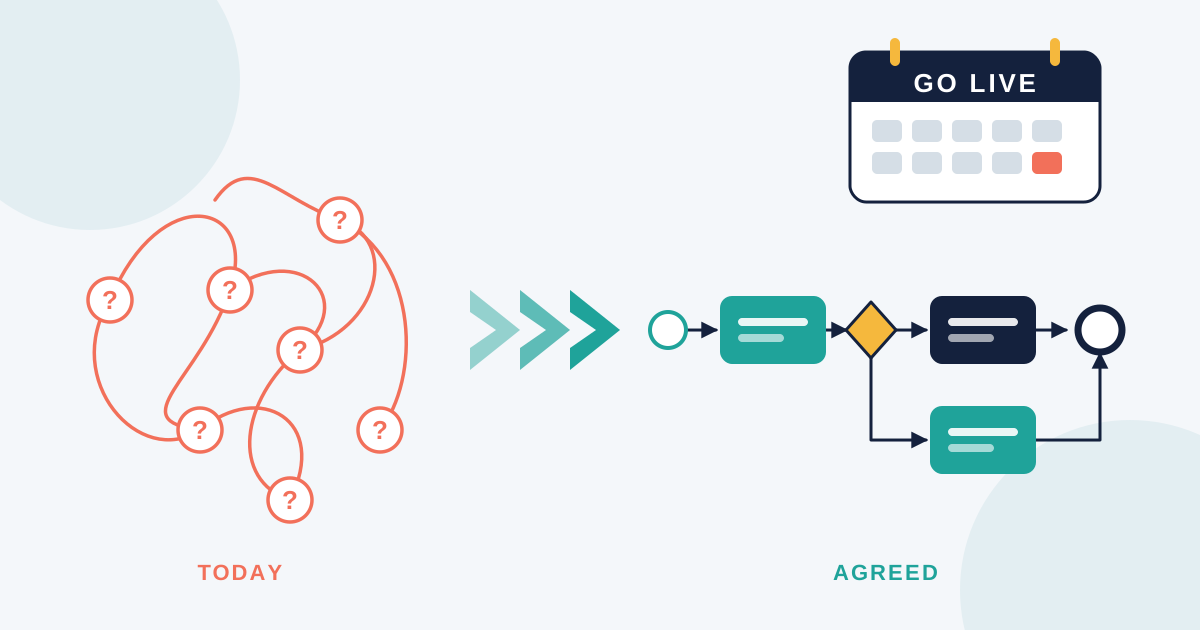


Imagine this.
Your top-performing employee—the one who knows every key process—announces they’re leaving.
You have two weeks.
No documentation.
No process maps.
No structured handover plan.
And now, you’re staring down a very expensive problem.
Because here’s the harsh truth:
⚡ Knowledge loss is expensive.
💸 Handover without documentation is chaotic.
⏳ Training new staff without clear processes costs time and money.
Would your business survive this disruption?
🚨 The True Cost of Knowledge Loss
When critical knowledge walks out the door, it takes more than information.
It takes:
❌ Operational continuity – Key processes come to a halt.
❌ Team efficiency – Staff scramble to fill knowledge gaps.
❌ Revenue streams – Projects stall, and clients lose trust.
And what comes next?
💰 Expensive recovery.
💸 Why Handover Without Documentation Fails
Handover is more than a final meeting or rushed email summary.
Without structured process documentation, handover looks like this:
❓ Endless questions about routine tasks.
❌ Incomplete knowledge transfers.
⏳ Delays in project handovers.
The outcome?
💸 Wasted hours piecing together incomplete information.
⚡ Missed opportunities as new hires struggle to catch up.
📉 Lower productivity across the entire team.
🏚️ The Hidden Costs of Poor Training
Training new staff without clear, documented processes?
It’s a slow, expensive nightmare.
💡 Here’s what it really costs you:
1️⃣ Longer onboarding times – Without guides, new hires take weeks (or months) to become productive.
2️⃣ Higher training costs – Experienced staff spend valuable time reteaching tasks.
3️⃣ More mistakes – Without clear instructions, errors multiply—and so do their costs.
4️⃣ Decreased morale – Confused employees become frustrated, increasing turnover risk.
⚡ How Knowledge Loss Impacts Your Bottom Line
When key knowledge isn’t documented, your business pays the price:
💸 Revenue Loss: Stalled projects and lost clients cost money—immediately.
⏳ Productivity Drops: Teams slow down while figuring out undocumented processes.
💀 Reputational Damage: Clients lose confidence when operations become unreliable.
And if multiple key employees leave at once?
The damage multiplies.
🛡️ Documentation: Your Business’s Best Insurance
The solution?
📚 Document everything—before it’s too late.
Proper documentation ensures that:
✅ Critical processes are recorded step by step.
✅ Roles and responsibilities are clearly defined.
✅ Knowledge stays within the business, not just in people’s heads.
🗺️ The Power of Process Maps
Business process maps are visual guides that show exactly how tasks flow within your organisation.
They provide:
🔄 Clarity: Teams see how their work fits into the bigger picture.
📌 Continuity: Processes continue even when staff leave.
⚙️ Efficiency: New hires follow clear instructions, cutting onboarding time.
When process maps are available, handovers become seamless—and training costs plummet.
🏃 Why Every Business Needs SOPs
Standard Operating Procedures (SOPs) take documentation a step further.
They offer:
✅ Detailed instructions for every critical task.
✅ Consistent operations across teams and departments.
✅ Reduced errors with clear guidelines for best practices.
With SOPs, your team never guesses. They know exactly what to do—every time.
🛑 Don’t Wait for the Crisis
💡 “We’ll document it later.”
This mindset is the biggest mistake businesses make.
Because “later” becomes “too late” when:
⚡ A key employee leaves unexpectedly.
⚡ Projects grind to a halt.
⚡ Emergency training drains your resources.
Act now.
Document today, save tomorrow.
📞 How Aliso Digital Can Help
At Aliso Digital, we help businesses:
✅ Capture critical knowledge before it’s lost.
✅ Map processes for smooth handovers.
✅ Create SOPs that reduce training costs and boost productivity.
👉 Visit Aliso Digital to protect your business from costly disruptions.