I’ve been part of digital transformation work for close to 20 years now.
Some of it went well.
Some of it didn’t, which is more instructive.
Looking back at the ones that struggled, the causes were rarely technical.
The platform usually worked.
The methodology was usually sound.
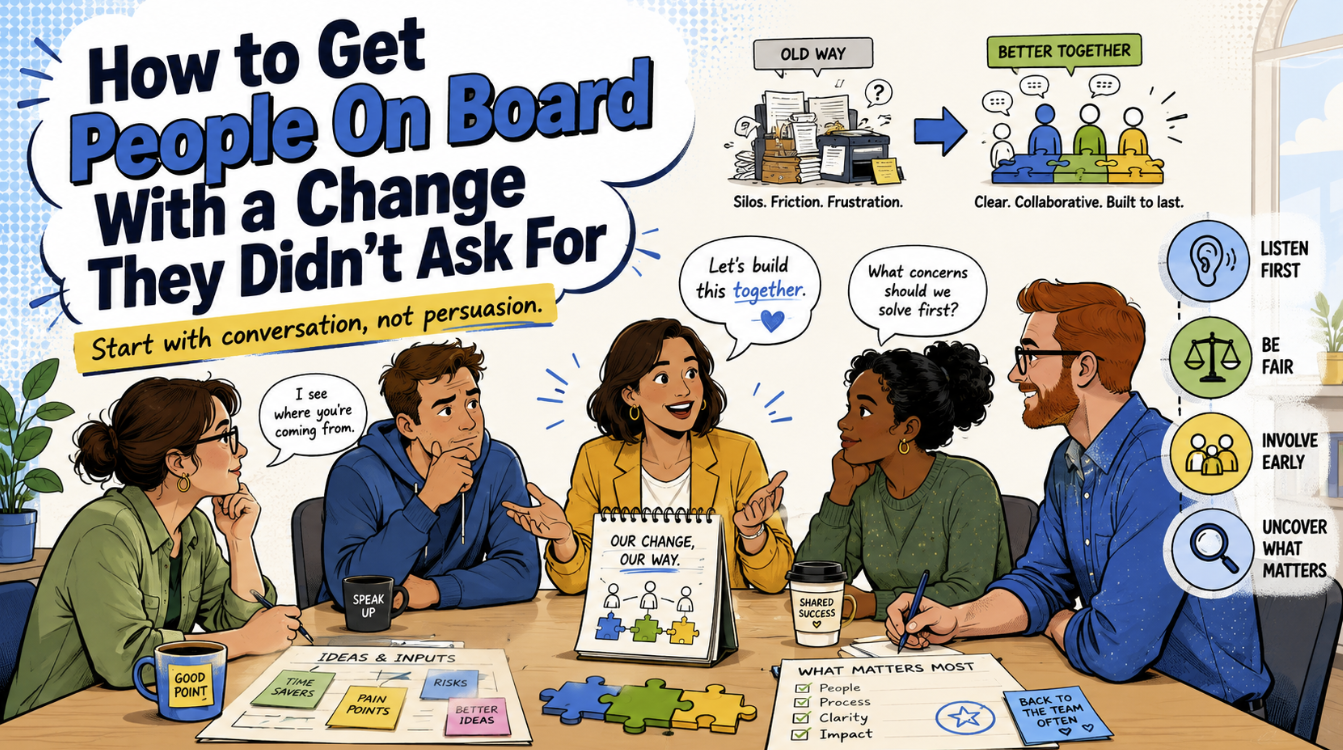
What went wrong was in the room, which is why I now run every engagement people first, whether the work is business analysis, process mapping, technical writing or knowledge management.
🚩 Two patterns that show up in failing programs
The first is a working group where everyone thinks alike.
Same background, similar tenure, similar view of how things should work.
It feels efficient early on, because nobody argues.
Then you discover 8 months later that the whole group shared a blind spot, so nobody caught the thing that’s now a problem.
Diversity of experience, age, discipline and perspective isn’t a nice-to-have on a program.
It’s the mechanism that catches errors before build.
The second pattern is harder to talk about, which is entrenched negativity.
Not healthy scepticism, which is valuable.
I mean the person who’s decided in advance that this will fail, then spends 6 months proving themselves right.
One of those in a key seat sets the tone for a whole workstream.
People stop raising ideas, stop volunteering information, start protecting themselves.
The work degrades quietly, without any single event you could point to in a status report.
🤝 Why I start with rapport, every time
The information a program needs sits in people’s heads.
Not in the old procedures, not in the system configuration, not in the requirements document from the last project.
Someone who’s comfortable with you tells you about the workaround they built.
The step they skip when it’s busy.
The approval they’ve been getting verbally for 2 years.
Someone who isn’t comfortable describes the version in the manual.
Both conversations take 30 minutes.
Only one is useful.
So the first 10 minutes of any session goes on things that aren’t the process.
Their week, what’s landing on them this month, which system they’ve been complaining about longest.
Then I say plainly that I’m not there to audit anyone, just to write down what actually happens.
Most people visibly relax once that’s out loud.
🧭 Running workshops that people don’t dread
Workshops earn their bad reputation.
Twelve people, a blank wall, 3 hours, a map reflecting whoever spoke loudest.
A few things that change the experience.
- Keep it to 6 or 8 people, because quiet voices disappear beyond that
- Cap it at 90 minutes, then run a second session rather than a longer one
- Bring a rough draft, never a blank wall
- Follow up individually with anyone who stayed quiet
- Ask specific questions instead of broad ones
The rough draft matters more than people expect.
A polished artefact invites polite agreement, while a visibly messy one invites correction.
Correcting is far easier than creating, so you get much more input.
😌 Staying positive without being fake
There’s a version of positivity that’s irritating, which is relentless enthusiasm about a rollout people are worried about.
That doesn’t build trust, it signals you’re not listening.
What works better is being calm plus solutions-focused.
Acknowledge the difficulty honestly, then move to what can be done about it.
“You’re right, this does add a step for your team.
Let’s look at whether something at the other end can come out.”
That’s positive without pretending.
The same applies when things go badly, which they will on a long program.
The person who stays steady on the worst day of a rollout earns more credibility than 6 months of good news updates.
⚔️ Managing conflict without taking sides
Two teams describing the same process differently is the most common conflict on a program.
Both are usually describing reality accurately, because both have been doing it their own way for years.
What works.
- Meet each team separately first, until you understand both versions
- Write both down without judgement, in their own words
- Name the difference plainly, then show what each version costs
- Hand the decision to whoever owns it, rather than deciding yourself
That last point is where analysts get burned.
Arbitrating between 2 teams puts you in the middle of something that isn’t yours.
Making the choice visible, evidenced and easy is where your value sits.
💬 Empathy is a working method, not a virtue
Empathy gets talked about as a character trait.
In practice it’s just accuracy about someone’s situation.
When a team pushes back, there’s almost always a reason you haven’t been told.
A regulatory obligation nobody mapped.
A supervisor blamed for the last rollout.
A team 2 people short, so any extra work is genuinely impossible right now.
Resistance that looks irrational from the outside makes complete sense once you know the missing piece.
Finding that piece is the job, not arguing with the symptom.
✅ Why people first isn’t soft
None of this replaces rigour.
The maps still need to be accurate, the documentation still needs to be correct, the analysis still needs to hold up.
People first just recognises where the failures actually come from.
Not from bad notation.
From groups who all think the same way, from negativity nobody addressed, from information people didn’t feel safe enough to share.
Fix that, then the technical work gets considerably easier.
About the author
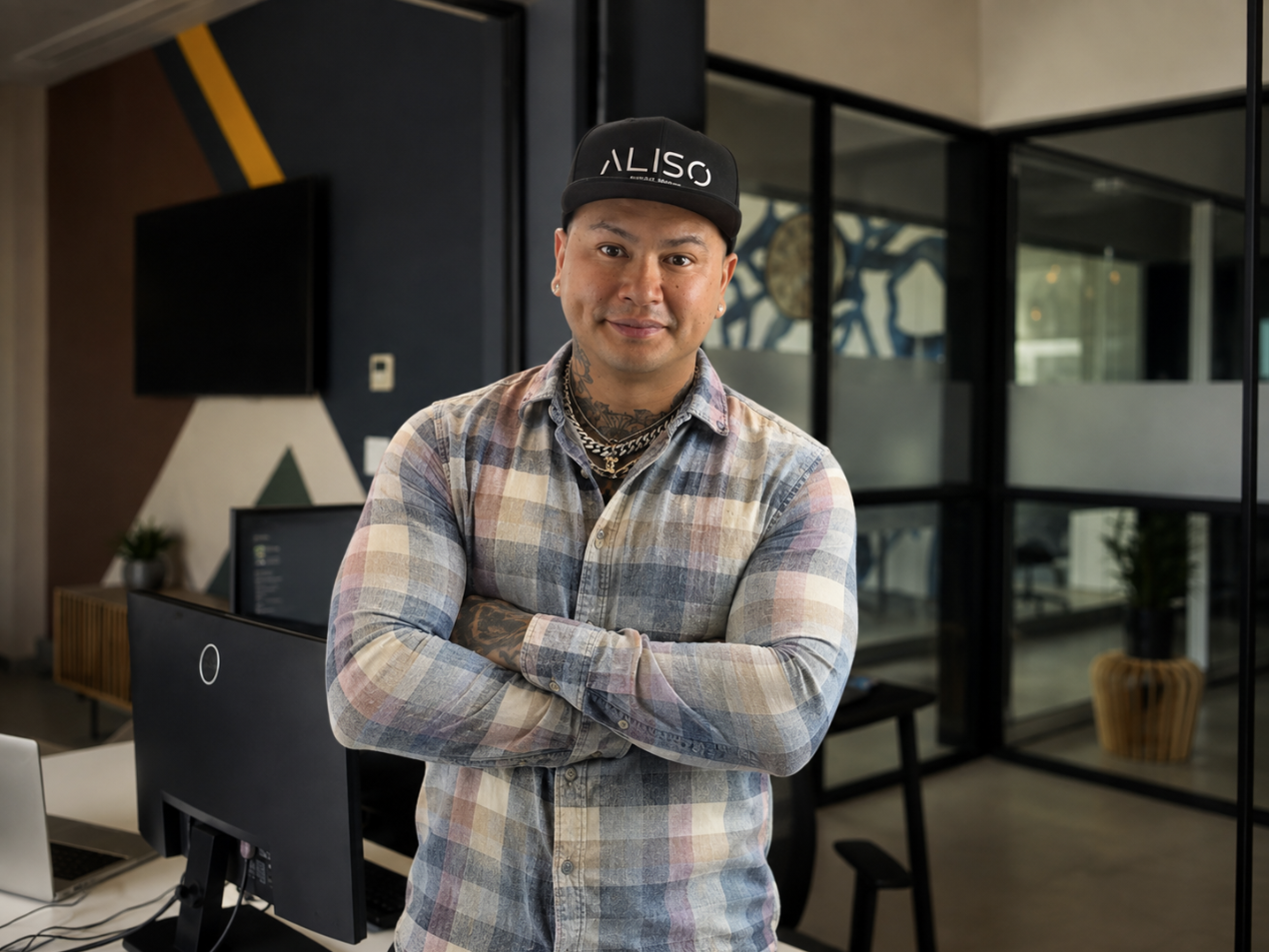
For 19 years Aiver has worked on enterprise digital transformation programs. These are multi-million dollar programs running years at a time, for national organisations and global firms, reaching millions of end users.
He is an IT consultant based in Melbourne.
His experience spans ITSM, HRIS, ERP, CRM, POS, KMS and EDRMS platforms, plus workflow automation.
His work covers business analysis, process optimisation, technical writing, knowledge management and UI / UX design.
He has worked across government, healthcare, science and medical research, finance, education, telecommunications, infrastructure, aviation, construction and property, technology, retail, logistics, pharmacy, insurance and professional services.
He has run his own consultancy for 12 years and works with a small number of clients at a time.
Available for remote and hybrid contracts.
alisodigital.com