

When businesses undergo digital transformation or roll out new IT systems, there’s a lot of focus on the technology.
But here’s what often gets missed:
If people don’t know how to use the new systems or follow new processes, the entire project can fail.
That’s where a technical writer comes in.
They don’t just write documents—they make sure everyone understands how to navigate change and use new tools effectively.
Here’s how technical writers play a critical role in digital transformation and IT projects.
💡 Why Technical Writers Are Critical to Digital Transformation
Digital transformation isn’t just about technology. It’s about people, processes, and adoption.
New systems, tools, and processes only work if people know how to use them.
Without proper documentation, training materials, and guides, confusion sets in, and adoption slows down.
A technical writer ensures that doesn’t happen.
🧩 Where a Technical Writer Fits in Digital Transformation Projects
📝 1. Capturing Requirements and Documenting Processes
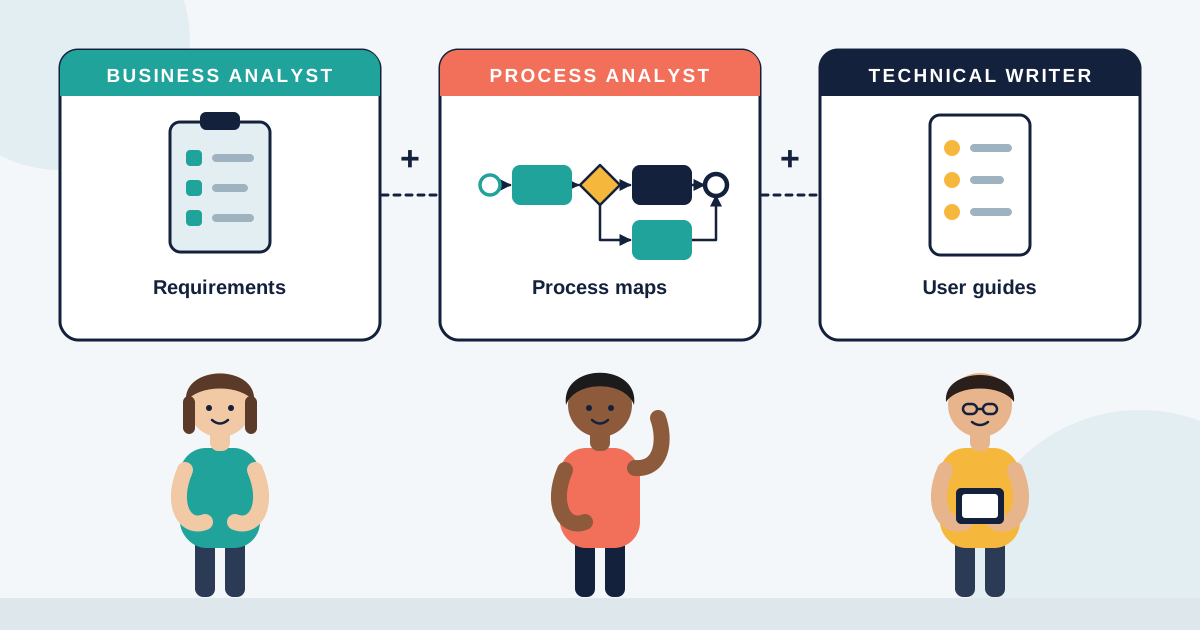
✅ Technical writers work with business analysts and IT teams to document business requirements.
✅ They create process maps, workflows, and user journeys to ensure everyone understands how the new system fits into the business.
✅ They help translate technical details into easy-to-understand language for stakeholders.
💡 2. Creating User Guides and Knowledge Bases
✅ Once systems are ready, technical writers create user manuals, quick-start guides, and FAQs.
✅ They design content that helps different teams—IT support, end-users, and management—understand their roles.
✅ They often build internal knowledge bases or help centers, so support is just a click away.
🎓 3. Developing Training Materials for System Rollouts
✅ They create training materials, tutorials, and e-learning modules to help staff adapt to new tools.
✅ They ensure that learning resources match the business’s needs and digital tools.
✅ They work with trainers or HR teams to align documentation with onboarding programs.
📊 4. Documenting APIs and Developer Guides for IT Teams
✅ In IT projects, technical writers create API documentation, developer guides, and system integration manuals for developers.
✅ They ensure that technical teams have clear instructions to work with new platforms and tools.
✅ Their documentation becomes essential for future upgrades and system maintenance.
🧪 5. Supporting Change Management with Clear Communication
✅ Digital transformation is all about change, and change requires clear communication.
✅ Technical writers create emails, newsletters, intranet articles, and release notes to keep teams informed.
✅ They ensure that messages about system changes, timelines, and updates are clear and easy to understand.
🛡️ 6. Ensuring Business Continuity with SOPs and Process Docs
✅ After implementation, technical writers create Standard Operating Procedures (SOPs), system workflows, and troubleshooting guides.
✅ These resources help teams maintain operations and troubleshoot issues without depending on IT.
✅ SOPs ensure that knowledge stays within the business, even if key staff leave.
🚀 Why Technical Writers Are a Must-Have for IT Projects
📌 Boosts User Adoption – Clear guides and training materials help teams learn new systems faster.
📌 Reduces Support Costs – With good documentation, users can troubleshoot issues without calling IT.
📌 Improves Collaboration – Process maps and guides help technical and business teams stay aligned.
📌 Future-Proofs the Business – SOPs and technical manuals ensure knowledge is preserved for future upgrades.
📌 Speeds Up Onboarding – New staff can get up to speed quickly with well-structured guides and e-learning resources.
📞 How Aliso Digital Can Help
At Aliso Digital, we help businesses navigate digital transformation by creating clear, easy-to-follow documentation and SOPs.
We work with your teams to capture knowledge, create training materials, and develop user guides—so your digital transformation projects succeed.
👉 Visit Aliso Digital to find out how we can support your digital transformation.