

Businesses spend millions on digital transformation projects.
New systems, upgraded platforms, better workflows—it all sounds great in theory.
But most of these projects do not fail because of bad technology.
They fail because employees do not understand how to use it, processes are not documented properly, and the change team assumes people will figure things out on their own.
This is where a technical writer becomes the missing piece of the puzzle.
If your change team does not have one, you are setting yourself up for confusion, resistance, and costly mistakes.
The Biggest Problem with Digital Transformation
Technology is not the issue.
The problem is how people learn, adapt, and accept change.
When employees are thrown into a new system without clear, structured documentation, they avoid it, make mistakes, or go back to old ways.
Change teams focus on strategy and implementation, but without proper documentation, training, and process clarity, no one actually knows what to do.
If your digital transformation relies on assumptions, it is already failing.
Why Change Teams Need a Technical Writer
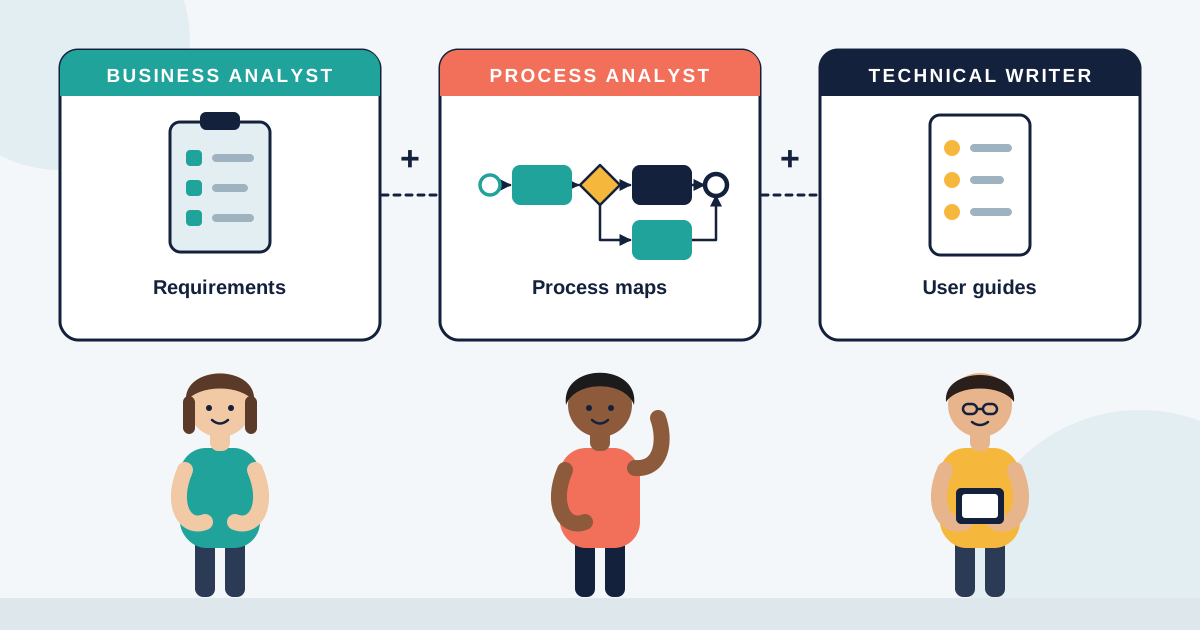
A technical writer bridges the gap between strategy and execution.
They take complex systems and turn them into clear, actionable instructions that employees can follow.
They make sure processes are documented before rollout, not after people start making mistakes.
They help change teams communicate better, reducing resistance and confusion.
Without a technical writer, your employees will be stuck guessing their way through new workflows—and that is a disaster waiting to happen.
What Happens When There Is No Technical Writer?
- Employees do not know what to do
If your team cannot find clear instructions, they will waste time trying to figure things out themselves. - Resistance to change grows
People resist what they do not understand. If they are confused, they will fight the change. - Mistakes become expensive
A lack of documentation leads to errors, rework, and costly delays. - Training takes longer
Without clear guides, training sessions are unstructured and ineffective. - Your system rollout fails
If people do not use the new system properly, the entire project was a waste of time and money.
How a Technical Writer Helps Change Teams Succeed
✔ Process Documentation – They capture how things actually work, ensuring no knowledge is lost.
✔ Clear Work Instructions – They break down step-by-step processes so employees know exactly what to do.
✔ Consistent Communication – They help change teams deliver one clear message, avoiding mixed instructions.
✔ User-Friendly Training Materials – They make training easier with quick reference guides, FAQs, and video tutorials.
✔ Faster System Adoption – Employees do not resist what they understand and feel confident using.
Digital Transformation Without a Technical Writer Is a Costly Mistake
Change teams do not fail because they are bad at strategy.
They fail because they assume people will naturally adapt to new systems.
That is not how human behaviour works.
People need clear instructions, structured learning, and easy access to answers.
A technical writer makes sure they have that.
Without one, your digital transformation is just another expensive project that no one fully adopts.
Invest in documentation now—or pay the price later.