
Why Every Business Needs Standard Operating Procedures (SOPs)
Businesses rely on repeatable processes to keep operations running smoothly.
From onboarding new employees to handling customer service, manufacturing workflows, or IT system management—clear, structured procedures are what keep a business efficient and compliant.
But here’s the problem:
📌 Most businesses don’t document their processes properly.
📌 Employees work from memory, leading to inconsistencies.
📌 Critical knowledge is lost when staff leave or change roles.
📌 Errors and inefficiencies creep in, costing time and money.
That’s where Standard Operating Procedures (SOPs) come in.
SOPs provide structured, step-by-step instructions that ensure tasks are completed the right way—every time.
But who writes SOPs? Who can take scattered knowledge and turn it into a professional, easy-to-follow document?
Who Writes Standard Operating Procedures?
Some businesses assume that managers, employees, or HR teams should be responsible for writing SOPs.
But writing effective, usable SOPs is a specialized skill.
A technical writer is the best person for the job because they know how to:
📌 Break down complex processes into clear, structured steps.
📌 Write in a way that’s concise and easy to understand.
📌 Format SOPs consistently for quick reference and usability.
📌 Ensure accuracy and remove ambiguity to prevent mistakes.
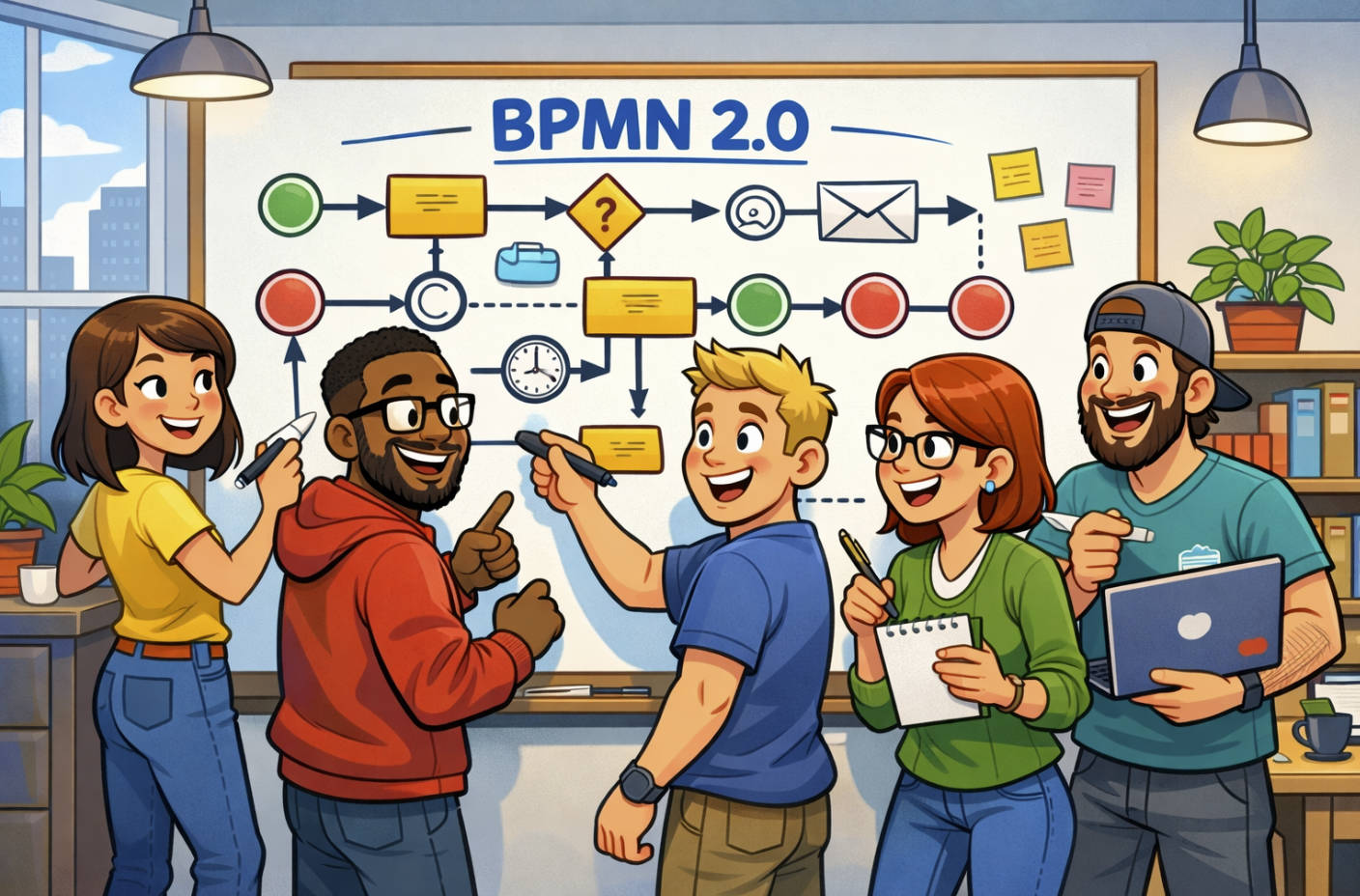
📌 Incorporate visuals, diagrams, and flowcharts where needed.
Unlike employees who are focused on daily tasks, a technical writer is trained to create documentation that is structured, readable, and scalable.
The Cost of Poorly Written SOPs
Bad or missing SOPs cost businesses more than they realize.
📌 A study by IDC found that companies lose 20-30% of their revenue due to inefficiencies caused by poor documentation.
📌 Employees waste up to 20% of their time searching for information they should already have access to.
📌 Businesses with inconsistent procedures suffer from higher error rates and lower productivity.
Without well-documented SOPs, businesses face:
🚨 Inconsistent work quality—Employees follow different methods.
🚨 Increased training time—New hires take longer to learn tasks.
🚨 Compliance risks—Lack of standardized processes leads to violations.
🚨 Higher operational costs—Mistakes and inefficiencies drive up expenses.
The cost of not having clear SOPs is often much higher than the investment in professional documentation.
What Does a Well-Written SOP Look Like?
A good SOP should be:
✅ Step-by-step and easy to follow—No room for confusion.
✅ Clear and free from jargon—So everyone understands.
✅ Consistently formatted—So documents are structured the same way.
✅ Visual when needed—Using diagrams, screenshots, and process maps.
✅ Easy to access—Stored in a centralized location like SharePoint.
A technical writer ensures your SOPs meet these standards.
How a Technical Writer Creates SOPs
When businesses outsource SOP writing to a technical writer, they benefit from a structured, efficient approach that ensures documents are done right the first time.
Here’s how a technical writer creates SOPs:
1️⃣ Research & Information Gathering
- Interviews with subject matter experts (SMEs)
- Reviewing existing documentation
- Observing processes in real time
2️⃣ Drafting & Structuring the SOP
- Organizing steps in a logical order
- Using simple, clear language
- Adding visual elements like flowcharts or diagrams
3️⃣ Review & Refinement
- Collaborating with teams to validate accuracy
- Testing the SOP with employees who will use it
- Refining based on feedback
4️⃣ Finalization & Formatting
- Ensuring consistency in layout and branding
- Publishing in an accessible location
- Updating SOPs regularly as processes evolve
This structured approach ensures SOPs are useful, practical, and scalable across the business.
The Business Impact of Well-Written SOPs
When SOPs are clear, accessible, and well-structured, businesses experience:
✅ Faster training and onboarding—New hires get up to speed quickly.
✅ Fewer errors and inconsistencies—Tasks are done correctly the first time.
✅ Improved compliance—Reduces risk of legal or regulatory issues.
✅ Higher efficiency and productivity—Less time wasted on confusion.
✅ Better knowledge retention—Critical information isn’t lost when employees leave.
Good SOPs save time, reduce costs, and improve overall business performance.
How Aliso Digital Can Help
At Aliso Digital, we specialize in writing clear, structured Standard Operating Procedures that help businesses run smoothly.
We take the guesswork out of documentation, creating SOPs that are:
📌 Professional and easy to follow
📌 Designed for real-world use
📌 Tailored to your specific business needs
Don’t let poor documentation slow your business down. Get professionally written SOPs that ensure consistency, efficiency, and compliance.
👉 Visit Aliso Digital to get your business SOPs done right.