

Creating high-quality technical documentation is more than just writing words on a page.
It’s about making sure the right information reaches the right people in a way that’s clear and practical.
When new functions and services are introduced, well-structured documentation is essential for smooth implementation.
It ensures that internal teams, stakeholders, and members have the information they need to adopt changes effectively.
From process updates to service improvements, clear documentation supports decision-making, reduces confusion, and helps everything run more smoothly.
Creating Documentation That Works
Developing technical documentation isn’t just about writing—it’s about understanding business needs and translating complex information into something useful.
This means working closely with stakeholders to capture the right details, structuring content so it’s easy to follow, and ensuring consistency across all materials.
Each document must align with internal quality systems and maintain a standard format.
This ensures that information is easy to find and follow, no matter who’s reading it.
Whether it’s a process guide, a service manual, or an operational document, every piece of content should be written with the end-user in mind.
Technical writing isn’t about filling pages with words.
It’s about making sure those words add value.
Collaboration and Stakeholder Engagement
Good documentation doesn’t happen in isolation.
It requires strong collaboration with internal teams, project leads, and external stakeholders.
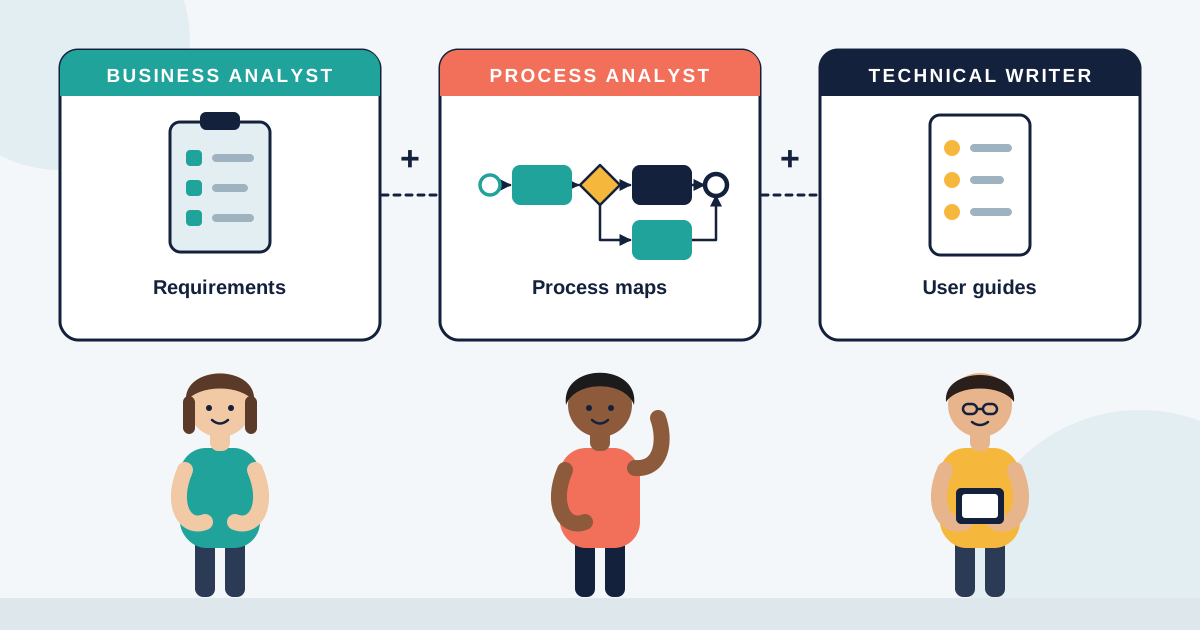
Understanding business requirements and ensuring that documentation aligns with real-world needs is a key part of the process.
Gathering input from multiple sources helps create well-rounded, accurate content.
Meetings, workshops, and consultations play a big role in identifying gaps, clarifying expectations, and refining the final product.
Having strong relationship management skills makes a big difference in ensuring content is relevant, accurate, and valuable.
Simplifying Complex Information
One of the biggest challenges in technical writing is breaking down complex subjects into content that’s easy to understand.
Not everyone reading a document will have the same level of expertise.
That’s why it’s important to write in plain language, use structured formatting, and incorporate visuals when needed.
A clear and simple document can save time and frustration for those who need to use it.
This is especially important when producing materials for a diverse audience, including government agencies, project managers, and the general public.
Well-written documentation ensures that everyone gets the information they need without unnecessary complexity.
Maintaining Accuracy and Quality
Accuracy is critical in technical documentation.
Every detail must be verified from authoritative sources, and information needs to be consistent across all documents.
This requires a forensic approach to reviewing content, checking for errors, and ensuring alignment with corporate templates and style guides.
Content also needs to be regularly reviewed and updated to reflect any changes in processes or policies.
Maintaining an organised content library helps keep track of revisions and ensures that users always have access to the most current information.
Using the Right Tools and Methods
Writing is just one part of the job.
Technical writers also need to be proficient in tools like Microsoft Word, PowerPoint, and Visio to create professional and structured documents.
Beyond the tools, strong analytical skills are essential for interpreting complex information and presenting it in a way that makes sense.
Being able to work independently and manage evolving priorities is key in a fast-moving environment.
A proactive mindset, patience, and persistence all contribute to delivering high-quality documentation on time.
Takeaway
Technical documentation plays a vital role in supporting the implementation of new functions and services.
It provides clarity, improves efficiency, and helps stakeholders make informed decisions.
By working closely with teams, simplifying complex information, and maintaining a high standard of quality, technical writers ensure that documentation is both useful and effective.
Good documentation isn’t just a requirement.
It’s a valuable tool that helps organisations work better and achieve their goals.