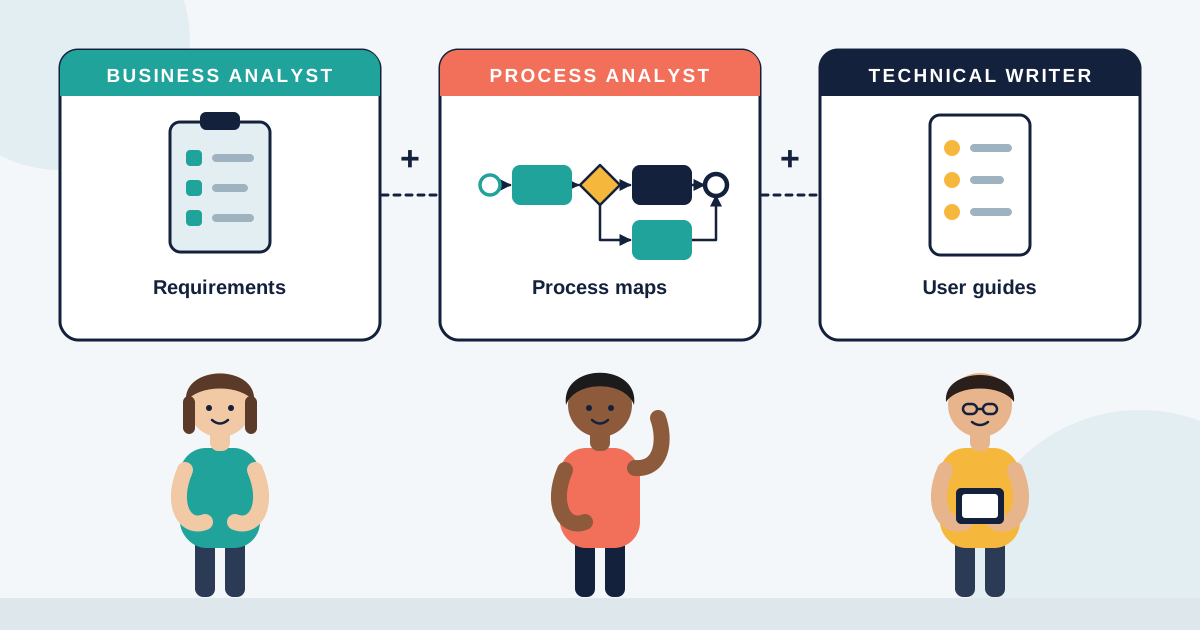


Clear, repeatable processes are what keep businesses running.
But those processes only work when they’re written down properly.
That’s where standard operating procedures (SOPs) come in—and why technical writing is so important to doing them well.
✅ What Is an SOP?
A standard operating procedure is a step-by-step guide that explains how to do a task or run a process.
It outlines exactly what to do, when to do it, and who is responsible.
Good SOPs make sure people across a business are doing things the same way—consistently, accurately, and safely.
✍️ What Technical Writers Bring to SOPs
Technical writers specialise in making complex information clear, accurate, and usable.
When they write SOPs, they:
- Break down steps logically
- Use plain language
- Keep formatting consistent
- Structure content so it’s easy to scan
- Align instructions to actual systems or tools
They focus on what the user needs, not what the business wants to say.
That’s what turns instructions into tools that actually work.
📉 What Happens When SOPs Are Poorly Written
When SOPs are unclear or outdated, things go wrong:
- Staff waste time figuring out what to do
- Teams do the same task differently
- Mistakes happen
- Handover between roles fails
- New hires struggle to get up to speed
A bad SOP causes friction.
A good SOP removes it.
🧠 Why SOPs Need to Be Written Like Products
An SOP isn’t just an internal document.
It’s something people rely on in real time.
It’s got to be structured, readable, and practical.
That means using technical writing principles:
- Clear headings
- Numbered steps
- Consistent terms
- Visuals where needed
- Defined roles and conditions
It also means testing the content: can someone follow it with no extra help?
If not, the SOP fails.
🔄 Keeping SOPs Updated
Writing SOPs isn’t a one-time job.
They have to be maintained, reviewed, and updated regularly.
That’s where technical writers can help build a proper content lifecycle:
- Review dates
- Version control
- Change logs
- Stakeholder sign-offs
Without that structure, outdated SOPs can cause more harm than good.
👥 Collaboration Is Key
SOPs aren’t written in isolation.
Technical writers work closely with:
- Subject matter experts
- Operations managers
- Process owners
- Change teams
- QA/compliance teams
Writers ask questions, observe the real process, and validate every step.
This ensures the SOP reflects how work is actually done—not how it’s assumed to be done.
📈 Benefits of Well-Written SOPs
- Faster onboarding
- Fewer errors
- Consistent service delivery
- Easier audits and compliance
- Improved handovers
- Business continuity
If someone left your business tomorrow, could someone else follow their process with no handover?
If your SOP is written well, the answer should be yes.
🔧 Formats That Work
Not all SOPs need to be Word docs.
Depending on the task and audience, they can be:
- Flowcharts
- Checklists
- Interactive forms
- Short videos with subtitles
- Embedded help in systems
Technical writers help choose the format that suits the task—not just what’s always been done.
🧭 Where SOPs Fit in Business Growth
As teams grow and systems scale, processes get more complex.
SOPs are how you keep control.
They reduce key person risk.
They make training faster.
They prove to investors or auditors that your business is stable and documented.
And they help teams run smoother without needing constant supervision.