
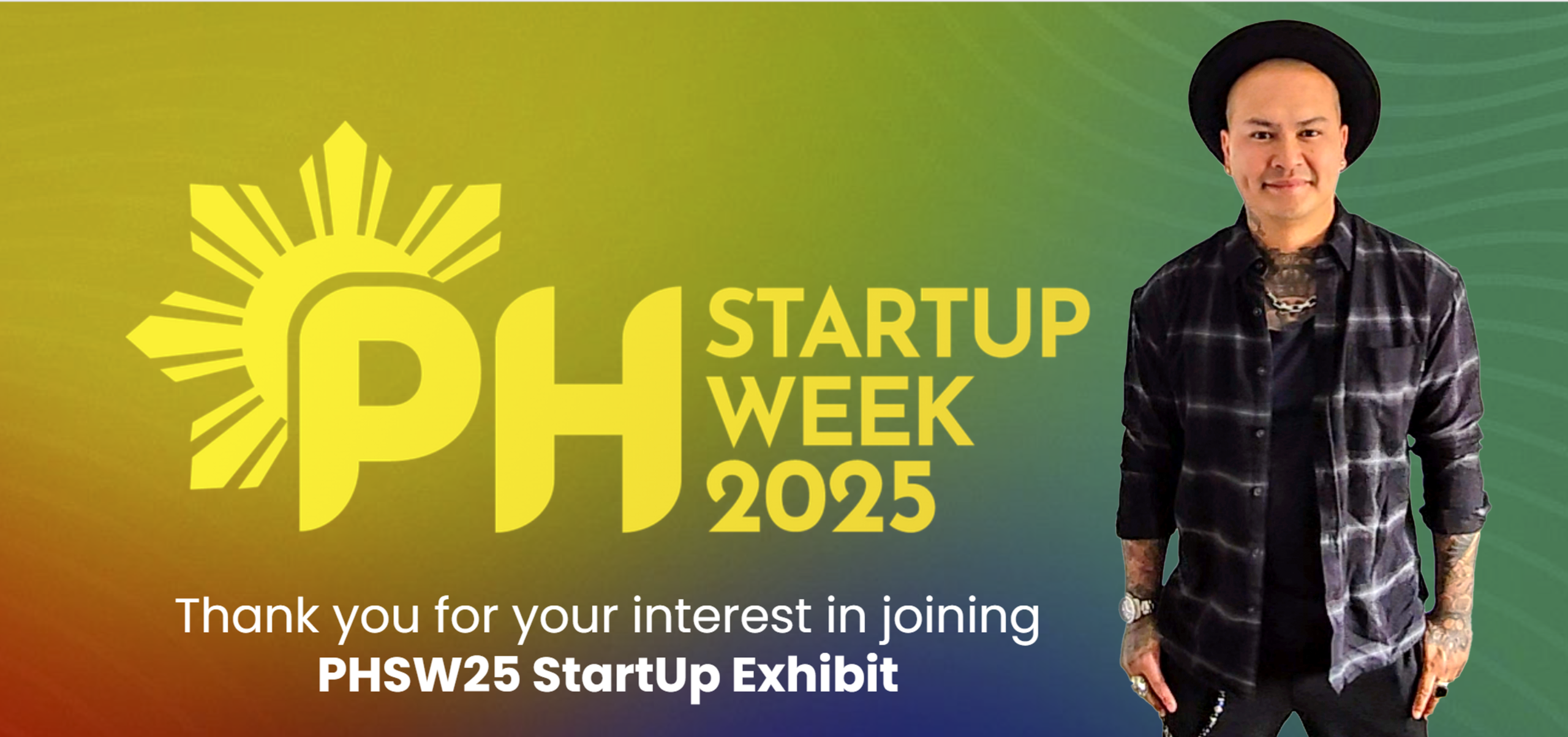
The week began in an unexpected way.
A typhoon swept through and pushed the event out by a few days.
Most of us had to shift plans and adjust schedules.
Fortunately the three day main program still went ahead at the Philippine Innovation Hub in Marikina.
I was able to attend and even with the delay the event delivered more than I expected.
It offered honest insights, grounded conversations and a clearer view of where Filipino innovation is heading.
Day 1… Setting the Tone for the Week
Walking into the venue, the energy was steady but focused.
Founders, enablers and investors were already deep in conversation.
The main sessions explored the state of the Philippine Startup Ecosystem and the direction of local innovation.
Listening in, I got the sense that the ecosystem is maturing.
There was realism instead of hype.
People were talking about sustainability, partnerships and long term viability.
It was a refreshing shift.
The startup exhibits stretched across several floors.
More than eighty startups showcased their ideas.
Climate tech, AI tools, fintech solutions, logistics improvements and community driven platforms.
What I appreciated most was how practical many of the solutions were.
They were tackling real problems rather than chasing trends.
It gave me a clearer picture of where the next wave of Filipino innovation may come from.
Day 2… Purposeful Innovation and Digital Transformation
Day 2 had a strong theme around purpose.
The Women in Tech session was one of the standouts.
Hearing Filipina founders share their stories and direction felt grounding and forward looking.
Their insights were not abstract.
They spoke about resilience, clarity and the real work that sits behind digital transformation.
Office hours were another part I found valuable.
Startups lined up for guidance and feedback.
From the sidelines I could hear the conversations.
Founders were asking about scale, long term operations and sustainable funding.
There was depth in the questions and honesty in the room.
It showed the ecosystem is thinking beyond early stage momentum.
Day 3… Going Global and Building What Lasts
The final day tied everything together.
The morning acceleration recap and the fireside chat with BRINC gave a clearer view of what global readiness looks like for Filipino startups.
The emphasis was on partnerships, capability and direction rather than speed.
It aligned with what I have seen in other regions.
Growth is no longer about rushing.
It is about building something that lasts.
Demo pitching sessions filled the afternoon.
You could sense the determination from the teams that presented.
They were not pitching for applause.
They were pitching for opportunity and alignment.
It was a mature finish to the week.
What I Took Away…
Even with the event being delayed the quality of conversations made it worthwhile.
The biggest takeaway for me was the shift in mindset.
There is less noise and more intention.
Less pushing and more listening.
The Philippines has a growing ecosystem with real potential and the direction feels clearer than it did last year.
Innovation here is becoming purposeful and the community is growing with it.
Philippine Startup Week 2025 showed me a startup scene that is resilient thoughtful and preparing itself for a more confident future.