

👂 Listening as a Strategic Skill
In business analysis, it’s tempting to jump straight into requirements, diagrams, or frameworks. After all, problem-solving is at the heart of the role.
But the analysts who build the deepest trust know a powerful shortcut: listening first, solutions second.
Active listening isn’t just a “soft skill.” It’s a strategic one. By creating space for people to share concerns, frustrations, and aspirations, analysts gather insights that no tool or template could ever surface.
🧩 Why Solutions Too Soon Backfire
When analysts rush into designing solutions, they risk solving the wrong problem.
Stakeholders may nod along, but inside they’re thinking: “They didn’t really hear me.” This breeds resistance and low buy-in later.
By contrast, when analysts practice patience — asking clarifying questions, reflecting back what they hear, and letting silence do its work — they uncover hidden pain points and unspoken priorities.
That’s the raw material for real, lasting solutions.
💡 Listening Creates Alignment
Every stakeholder comes with a different perspective: operations cares about efficiency, IT about scalability, finance about cost.
When an analyst listens deeply, they identify common threads across these perspectives. This allows them to act as translators — bridging gaps and aligning interests before a single diagram is drawn.
Alignment doesn’t happen by accident. It happens because someone is willing to slow down, listen, and connect the dots.
🤝 Trust Is the Real Deliverable
Trust isn’t earned through technical brilliance alone.
Stakeholders trust analysts who hear them out, respect their expertise, and reflect their concerns accurately.
When trust is in place, requirements gathering becomes smoother, feedback loops become shorter, and adoption rates rise.
In fact, the most successful projects often succeed not because the solution was perfect, but because the people involved trusted the analyst guiding the journey.
📊 Case in Point: Two Workshops, Two Outcomes
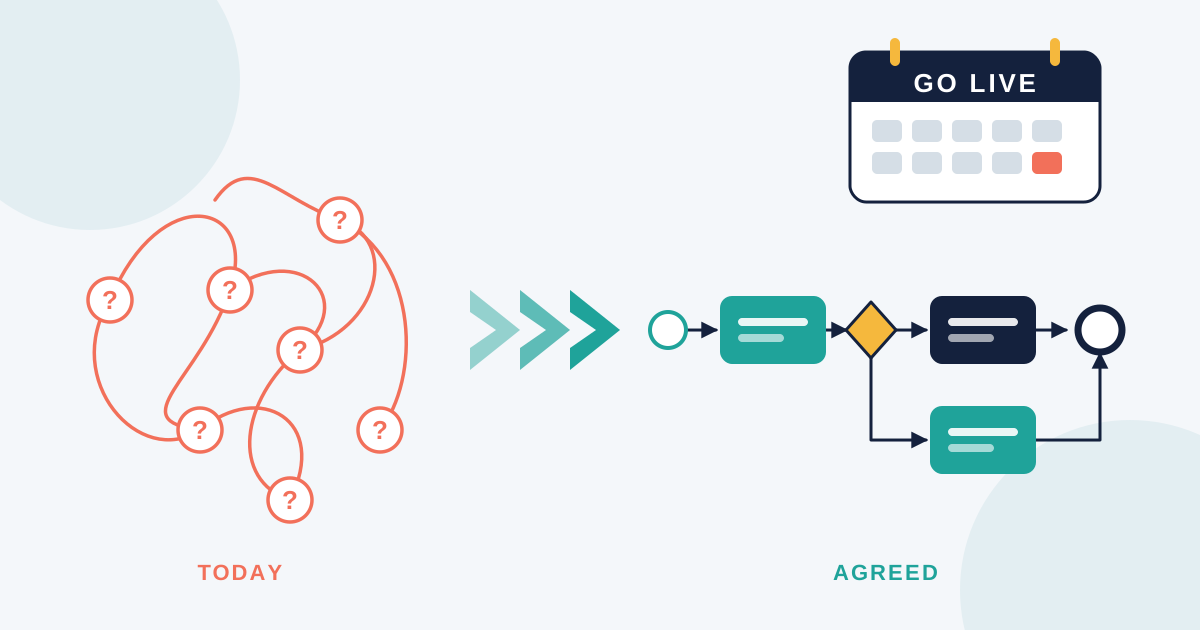
In one workshop, an analyst walks in with pre-drawn workflows and a “here’s the fix” mindset. Stakeholders feel sidelined, and adoption suffers.
In another, the analyst starts by asking, “What’s frustrating about the current process?” They listen, record, and paraphrase before suggesting improvements. Stakeholders feel heard — and they’re far more likely to champion the solution.
The difference wasn’t technical expertise. It was listening.
🔑 From Listener to Leader
Analysts sometimes worry that listening makes them passive. In reality, it’s the opposite.
Listening positions the analyst as a leader who brings clarity and empathy to messy conversations.
It’s how analysts turn scattered feedback into structured insight. It’s how they gain influence without forcing authority.
And in an AI-driven world — where machines can process data but not emotions — listening remains one of the most human, irreplaceable skills.
🙌 Final Thoughts
Listening isn’t a warm-up to the “real work.” It is the real work.
By prioritizing listening over immediate problem-solving, analysts build trust, alignment, and stronger solutions.
The shortcut to being the analyst stakeholders want in every room is simple: slow down, listen with curiosity, and save the solutions for later.