
Most people walk into interviews thinking they are being judged.
Their skills.
Their experience.
Their answers.
What often gets missed is that interviews also judge the organisation.
They reveal culture before day one.
They show how people speak when power is in the room.
They expose how disagreement, curiosity, and respect are handled.
If you pay attention, interviews tell you far more than the role description ever will.
🧠 What Interviews Really Reveal
An interview is not just about what you can do.
It shows how people behave under pressure.
It shows whether questions are asked with curiosity or control.
It shows whether listening happens or if people are just waiting to speak.
Tone matters.
Body language matters.
The way follow up questions are framed matters.
These signals tell you how collaboration actually works inside the organisation.
Not how it is written on the careers page.
🚩 When Your Gut Starts Speaking
Sometimes everything looks good on paper.
The role makes sense.
The organisation seems stable.
The hiring manager feels approachable and professional.
Then someone else enters the room and the atmosphere changes.
Questions become sharp rather than thoughtful.
The interaction feels tense rather than collaborative.
You leave the interview feeling unsettled.
That feeling is not random.
It is your pattern recognition kicking in.
Experience teaches you when something feels off.
Ignoring that instinct often leads to regret.
🤝 Emotional Intelligence Beats Titles
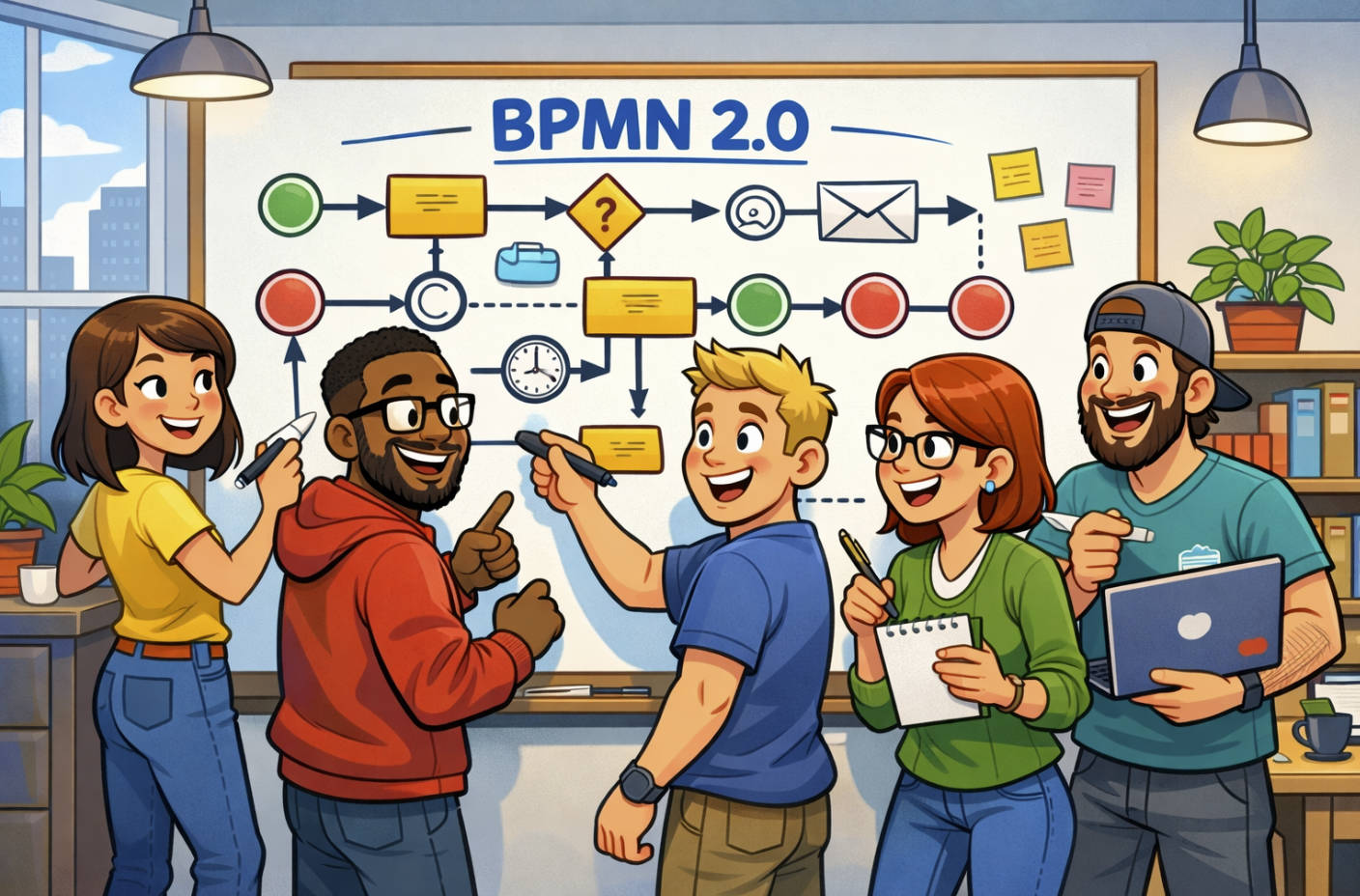
In roles like business process analysis, emotional intelligence is not optional.
The work depends on influence rather than authority.
It requires listening to competing perspectives.
It requires helping people feel heard.
It requires trust.
Someone who relies on intimidation or status signalling struggles in these environments.
Technical knowledge alone does not compensate for poor interpersonal skills.
Process work breaks down quickly without psychological safety.
This is where culture shows itself clearly during interviews.
🧭 Choosing People Over Positions
There comes a point in your career where priorities shift.
Early on, you may accept red flags for the sake of experience.
Later, you realise the cost is too high.
Money does not offset stress.
Job titles do not fix poor working relationships.
If you know you will be working closely with someone who makes you uneasy, that matters.
Walking away is not failure.
It is clarity.
Choosing who you work with is a form of self respect.
🔄 A Shift That Comes With Experience
With time comes perspective.
You learn that bad culture rarely improves.
You learn that early warning signs usually get louder.
You learn that ignoring discomfort drains energy over time.
Experience gives you permission to say no.
It gives you confidence to trust your judgement.
It also helps you see interviews as mutual assessment rather than approval seeking.
🎯 Final Thought
Interviews go both ways.
They test skills, but they also reveal values.
Culture and people shape your day to day reality more than compensation ever will.
Listening to your instincts early can save you years of stress later.
That is a lesson learned through time, not theory.