
⚖️ Why Conflicting Voices Are Inevitable
Every organization has competing priorities. IT teams want stability and security, while Operations pushes for speed and flexibility. Leadership focuses on long-term strategy, while end users just want systems that make their work easier. These tensions are not flaws — they are the natural result of different roles. But when these voices collide, projects stall, resources get wasted, and frustration builds. Business process analysts step in to bridge this gap.
👂 Listening Before Solving
The first step is always listening. Analysts create space for every voice — from the executive suite to the front line. This is not just about collecting requirements but understanding context, pain points, and motivations. IT’s push for compliance may seem rigid until you learn about looming audit risks. Operations’ urgency makes sense when you realize delays mean missed revenue. End users’ frustrations highlight hidden inefficiencies leadership may never see. By listening deeply, analysts uncover the “why” behind each demand.
🤝 Finding Common Ground
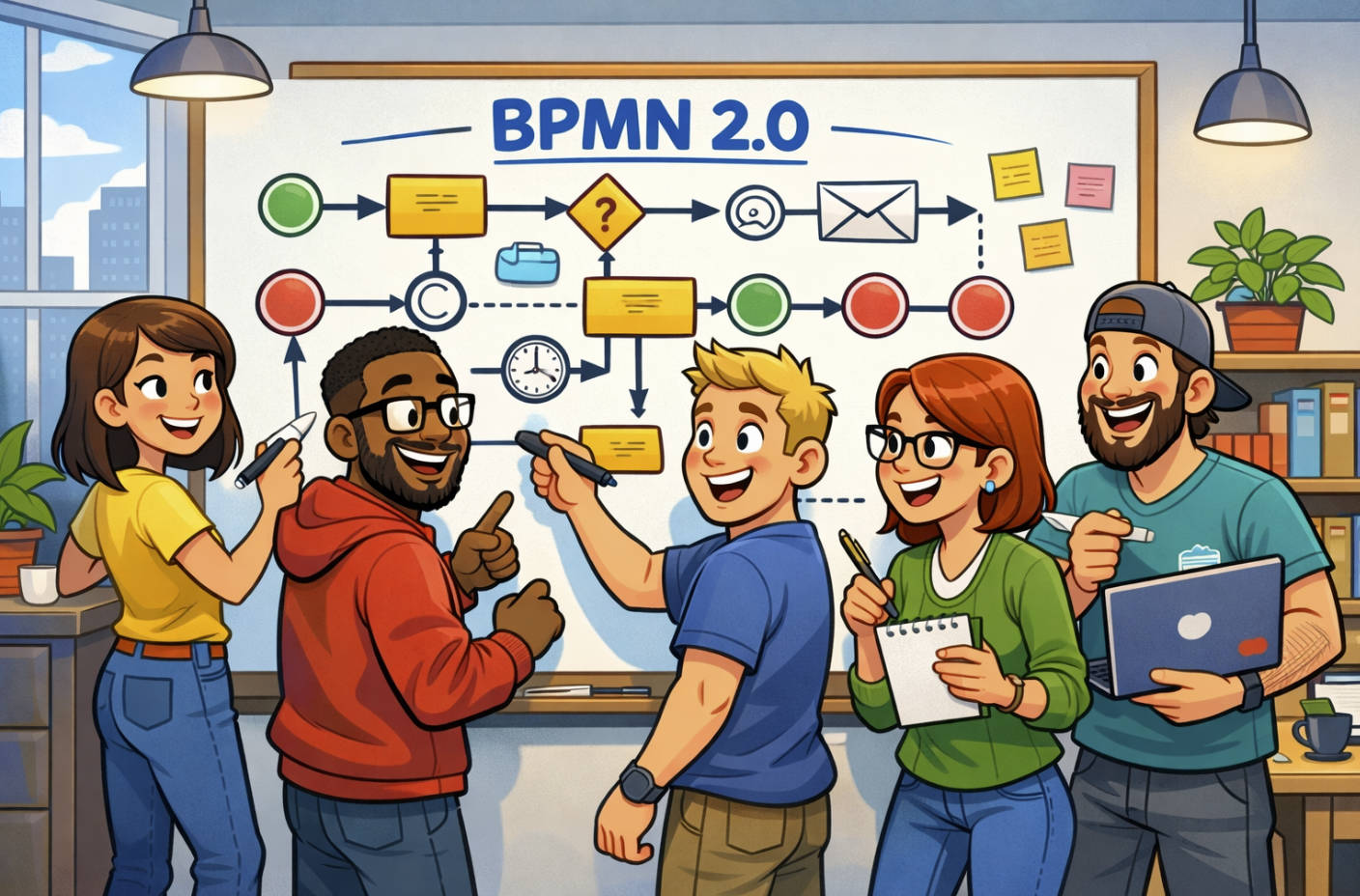
Conflicting needs often share hidden overlap. IT and Operations both want efficiency, just through different lenses. Leadership and end users both want growth, though they measure it differently. The analyst’s role is to surface these shared goals. A practical approach might include mapping needs visually, showing how each group’s concerns connect. For example, better automation can satisfy IT’s compliance needs while giving Operations faster workflows. When people see alignment, resistance softens.
🔍 Translating Complexity into Clarity
Analysts are translators. They take technical jargon from IT and convert it into business language for leadership. They take operational complaints and frame them in terms of risk or ROI. This translation ensures no group feels ignored and all voices are represented in language they understand. Clear documentation, simple visuals, and storytelling turn complexity into clarity. Instead of debating who is right, the discussion shifts toward shared solutions.
🛠️ Creating Solutions Everyone Supports
The goal is not compromise where everyone gives up something but integration where solutions address core needs. This requires co-design: bringing stakeholders together to test ideas, run scenarios, and refine workflows. A pilot rollout can show end users immediate benefits, while IT ensures controls are built in from the start. Leadership sees measurable outcomes. When stakeholders feel ownership in the solution, adoption rises naturally.
🌟 The Human Skills That Make It Possible
This bridging work requires more than technical skill. Diplomacy, empathy, and patience are essential. Analysts who remain neutral, approachable, and people-first build trust across silos. They turn tension into collaboration. These soft skills are future-proof — no AI tool can replace the ability to read a room, calm conflict, and build consensus.
🚀 Final Thoughts
Conflicting voices will always exist in business. What matters is how those conflicts are managed. Business process analysts turn chaos into clarity by listening, finding common ground, translating needs, and guiding groups toward shared solutions. In doing so, they show that process analysis is not just about workflows — it is about people. The best analysts are not referees who silence conflict but bridge-builders who transform it into progress.