
BPMN 2.0 Process Mapping Best Practices With Stakeholders
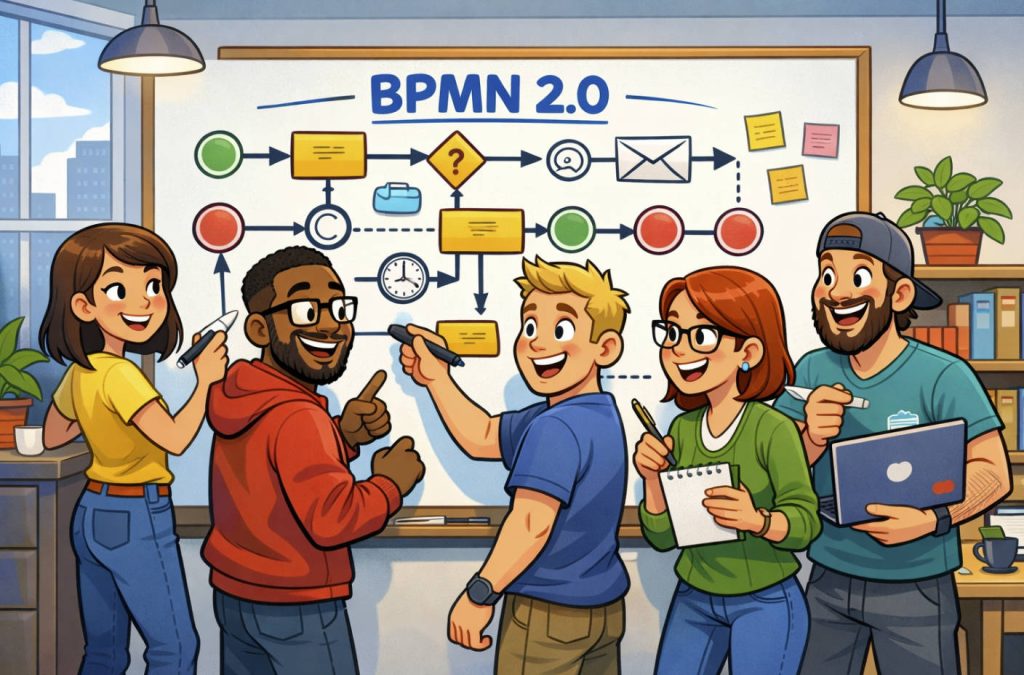
BPMN 2.0 is one of the clearest ways to represent how work actually happens.It creates a shared language across business and technical teams.It reduces ambiguity and helps organisations see their processes end to end. But BPMN 2.0 only works well when the right information is captured.That information does not live in tools or systems alone.It […]
📘 How Capturing Knowledge Keeps Business as Usual

Every business relies on people to keep things moving. But when knowledge only lives in people’s heads, continuity is fragile. Staff take leave, change roles or leave the company altogether. Without a system to capture what they know, Business as Usual (BAU) slows down—or even stops. A knowledge base prevents this by storing processes, SOPs […]
💸 The Cost of Not Capturing Knowledge from Key People

Every organisation has people who carry knowledge that keeps the business running. It could be the senior manager who remembers why a process exists. It could be the technician who knows the workaround when systems fail. Or it could be the administrator who understands the unspoken rules that hold a team together. When that knowledge […]
📘 How to Build a Good Knowledge Base Through Collaboration

A knowledge base is one of the most valuable tools a business can have. It saves time, reduces errors and keeps knowledge inside the organisation. But building a good knowledge base isn’t just about choosing the right software. It’s about working with people, drawing out their knowledge and turning it into something structured and useful. […]
📘 Building a Knowledge Base in Confluence

A good knowledge base is more than a set of documents. It’s a system that makes knowledge easy to capture, share and maintain across an organisation. Atlassian Confluence is one of the most effective tools for this job. It combines structure, collaboration and flexibility, making it a strong platform for knowledge bases of any size. […]
🤖 AI and the Future of Process Capture with Stakeholders

📌 The Role of AI in Process Analysis Business process analysts have always relied on workshops, interviews and observations to capture processes.But this approach can be time consuming and often depends heavily on people’s memory and willingness to share.Artificial intelligence changes that by offering tools that capture, structure and interpret processes more efficiently.AI can surface […]
BPMN 2.0 Only Works When the Workshop Works
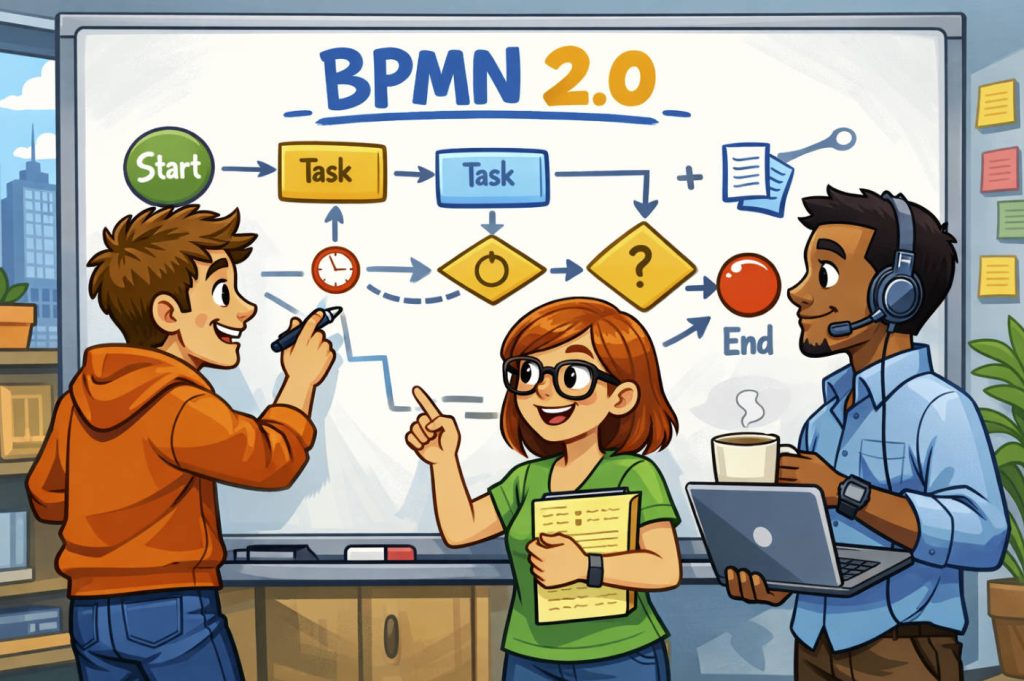
BPMN 2.0 is a powerful way to describe how work actually happens.It gives teams a shared visual language.It removes ambiguity.It creates structure around complex processes. But BPMN 2.0 on its own does not solve problems.A clean diagram means nothing if the process behind it is wrong.And the process is only as good as the workshop […]
Functional and Non Functional Requirements Explained Through People Skills
📌 What are Functional Requirements Functional requirements describe what a system should do.They cover the core features and behaviour the system must deliver.For example, a functional requirement for an online store could be the ability to add items to a shopping cart.It is the part of the system users directly interact with.These requirements often come […]
🌱 How People Skills Outshine Technical Skills in Business Process Analysis

Being a skilled business process analyst is not just about frameworks or software. It is about being the kind of colleague that others trust and enjoy working with. In fast-paced teams, technical knowledge matters. But listening, empathy, and emotional intelligence (EQ) often create more impact than technical skills alone. The best analysts know how to […]