
Travelling through Japan in November 2025 gave me the chance to step outside routine and reconnect with the parts of work that matter most.
As a director at Aliso Digital with roots in UX, UI and visual design, the trip became a steady mix of conversations, reflection and quiet observation tied to the work we continue to do.
Tokyo was the first stop.
This part of the journey was focused on people I have collaborated with throughout my career.
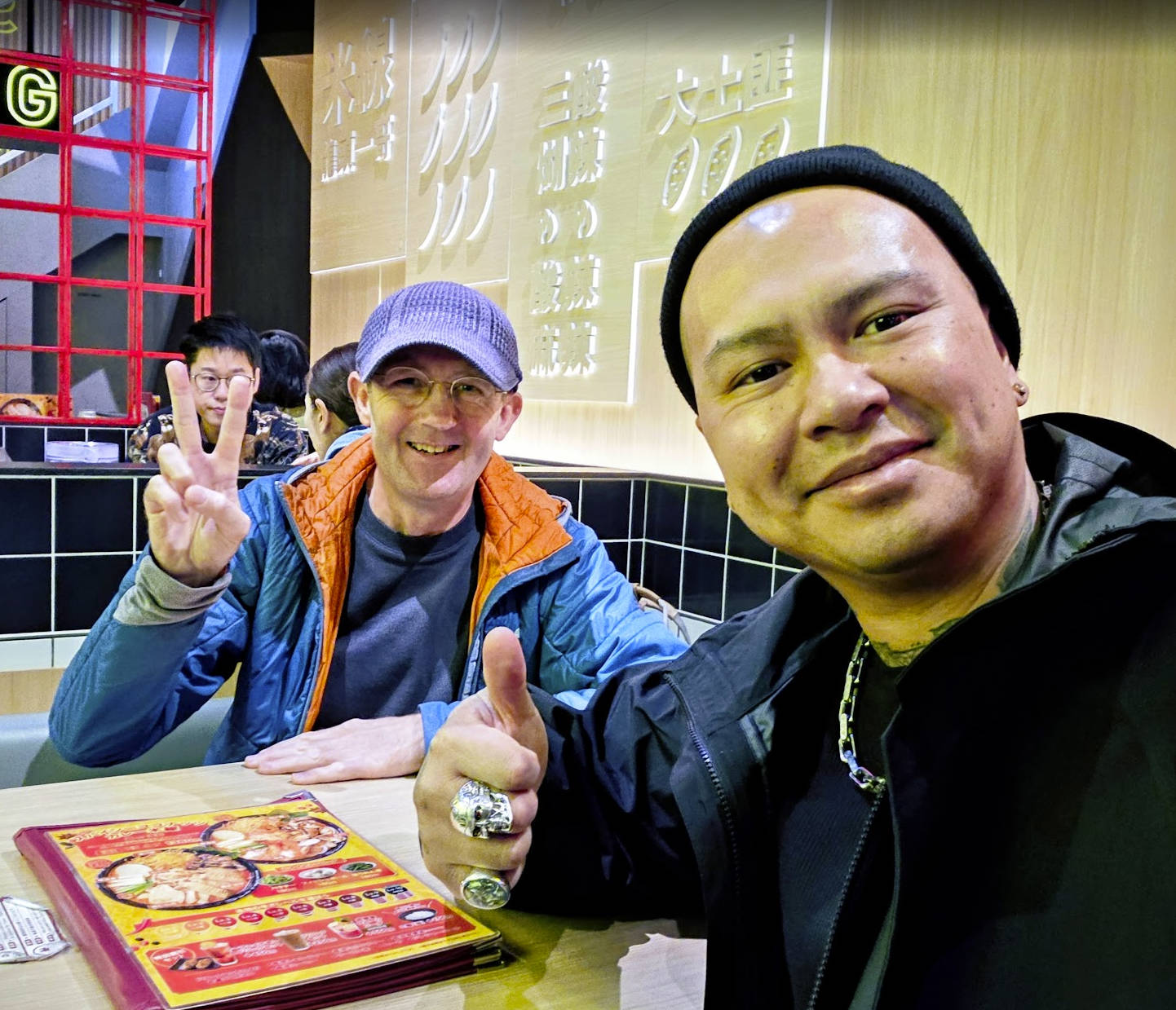
I caught up with a designer I worked with earlier in my design years.
He is someone who influenced the way I approached creativity and problem solving.
Sitting in Shinjuku and talking through how the design world has shifted felt grounding.
We spoke about changing expectations, new tools, tighter timelines and how different the rhythm of work feels today.
It reminded me that the way we think evolves, but the design foundations stay with you.
Osaka was a completely different experience.
This part of the trip leaned more into the technical side of the work.
Seeing robotics up close felt like watching the future unfold in real time.
Humanoid systems moved with a level of refinement that was both unsettling and impressive.
It made me think about how fast automation is progressing and how much the industry will continue to shift around it.
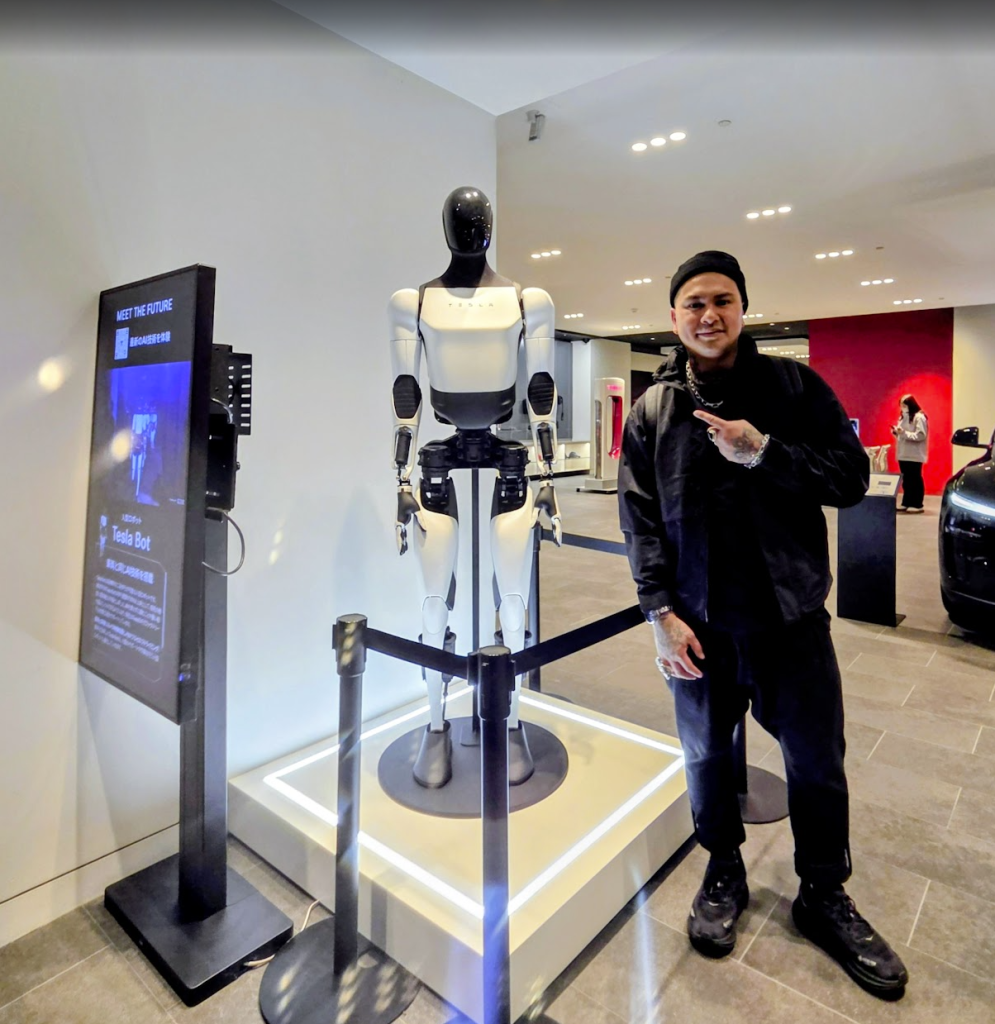
It felt like a quiet preview of what organisations will eventually rely on.
Both cities offered something important for the work we do.
Tokyo reinforced the value of relationships and the conversations that move projects in the right direction.
Osaka highlighted how quickly digital capability is evolving and how essential it is to adapt with it.
The contrast between both places became a useful reminder that progress is never one sided.
It is always a blend of people, technology and context.
Coming back to Aliso Digital after the trip provided clarity.
Technology continues to accelerate.
Design thinking still shapes how I approach problems.
But it is the steady connections with people that keep the work grounded and meaningful.
Japan made that clearer than ever.