
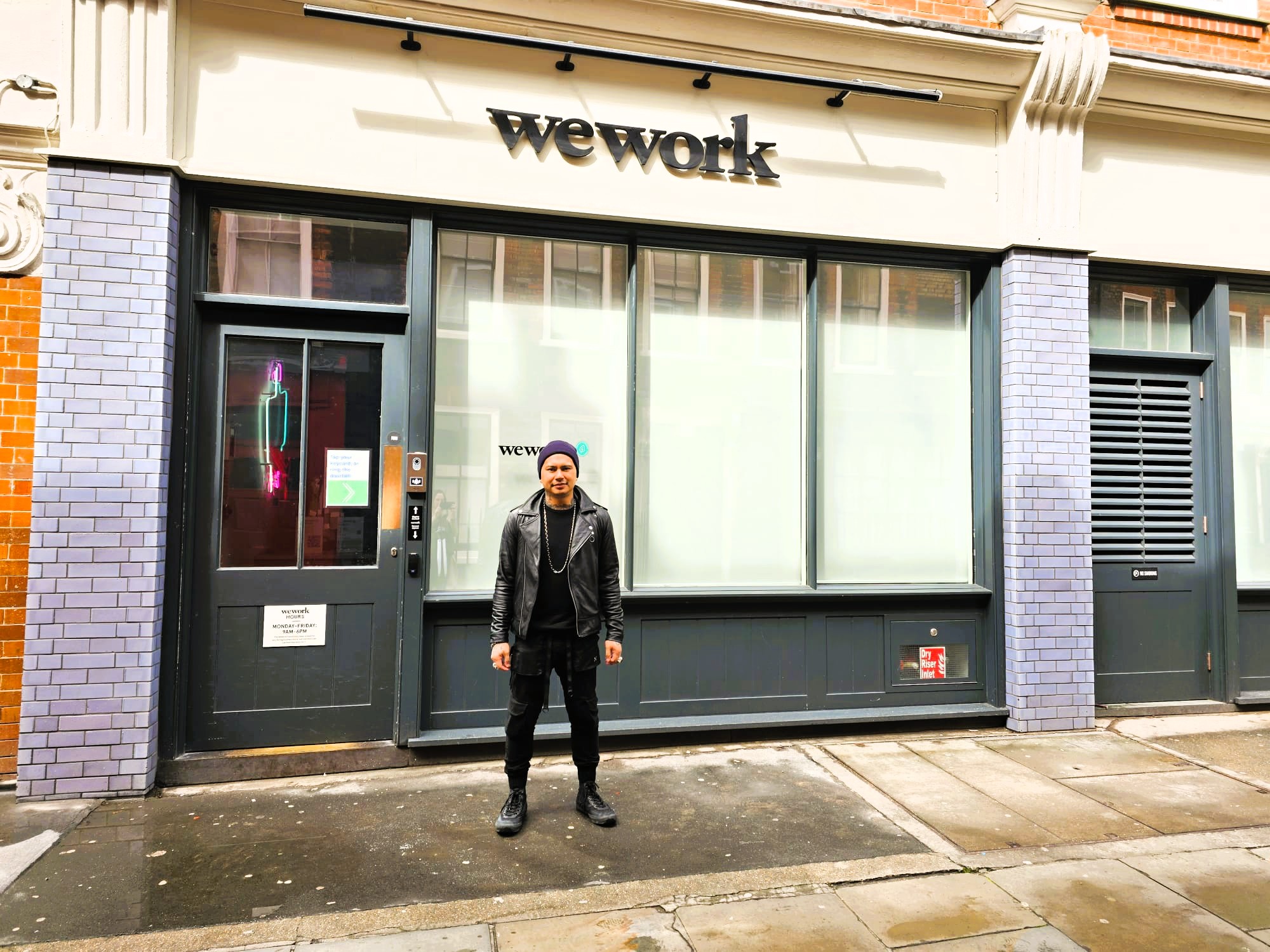
Looking back at 2023, one experience still stands out.
Attending a live session with Chris Do in London.
It was part of a work conference setting, but it felt more focused and practical than most conferences I have attended.
Chris Do from The Futur is known for helping creatives and professionals communicate their value and approach selling with more clarity and confidence.
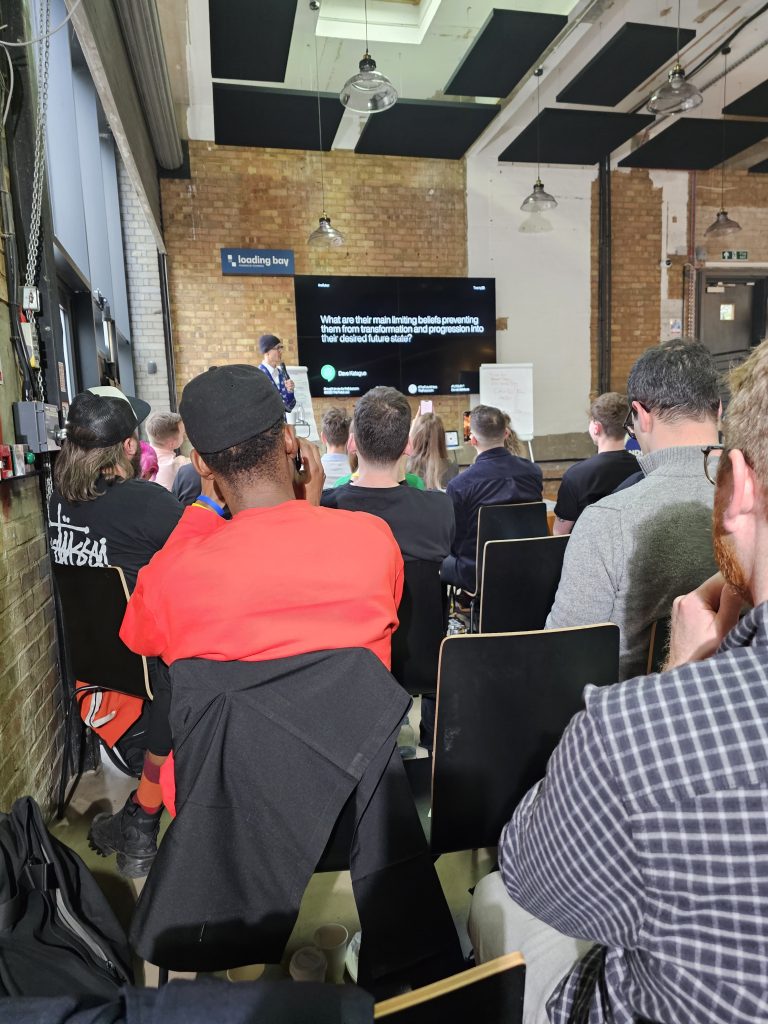
At the time, I did not fully know what to expect.
I had followed the content.
Watched the videos.
Understood the ideas at a surface level.
But being in the room was something completely different.
It shifted how I think about communication, positioning and selling.
It also gave me practical ways to improve how I engage with clients in my own business.
It was also a good opportunity to spend time in London outside the sessions.
Working from a few co-working spaces gave me space to think and get ideas down.
As someone with an Activator mindset from CliftonStrengths, it suited me.
Less overthinking.
More doing.
Just knuckle down and get things moving.
👥 The Difference of Being in the Room
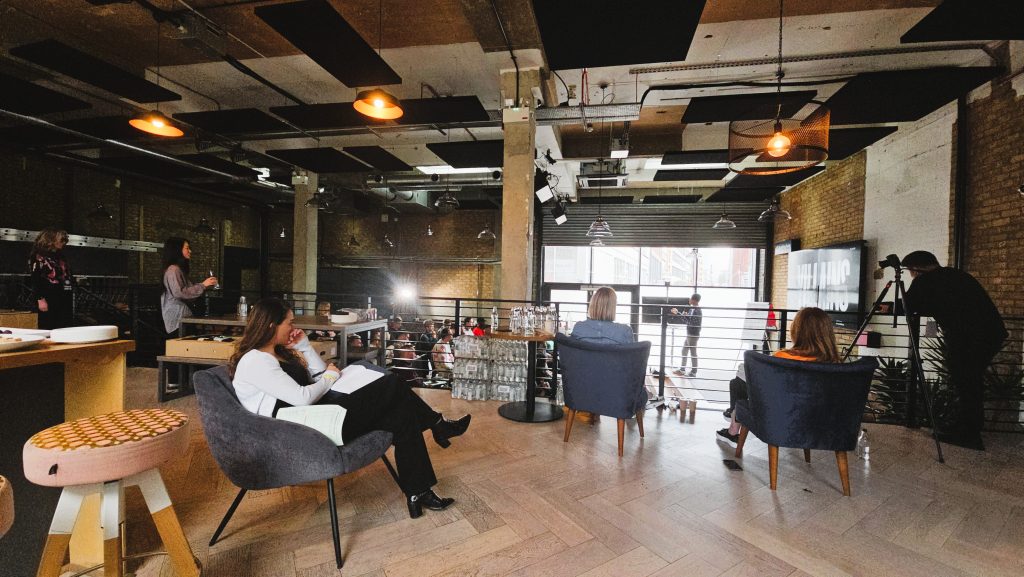
There is something about in-person sessions at a work conference that cannot be replicated online.
You see how people react in real time.
You hear the hesitation in questions.
You watch how others struggle with the same challenges.
It normalises the learning process.
It also makes things feel more real.
Less theoretical.
More practical.
The energy in the room creates momentum.
It keeps you engaged in a way that a screen never can.
That kind of environment pushes you to reflect on how you communicate in your own work.
💬 Selling Without Feeling Like You’re Selling
One of the biggest takeaways was how sales was reframed.
It was not about scripts.
It was not about pressure.
It was not about trying to convince someone.
It was about conversation.
Understanding the other person.
Asking better questions.
Listening properly.
Then responding in a way that feels natural.
That shift changes how you approach client conversations.
It makes discussions feel more collaborative.
It removes the tension that often sits around selling.
This approach was something Chris Do from The Futur emphasised consistently throughout the session.
It is something I have taken back into how I position my services and speak with stakeholders.
🧠 Learning Through Doing Not Just Listening
What stood out most was the hands-on nature of the session.
It was not passive.
You were not just sitting there taking notes.
You were involved.
Exercises.
Roleplays.
Real scenarios.
You could see what worked and what did not immediately.
You could feel where things broke down.
That kind of feedback is hard to get anywhere else.
It gives you something you can actually apply back in your business.
It made me more aware of how I present ideas and respond in conversations with clients.
🔍 Clarity Comes From Practice
Another key takeaway was how clarity builds through repetition.
It is easy to think you understand something until you try to apply it.
That is where gaps show up.
In the room, those gaps became obvious.
But in a good way.
It created space to improve.
To refine how you communicate.
To adjust how you present ideas.
That kind of clarity carries back into real work situations.
It helps when dealing with stakeholders, clients and new opportunities.
🤝 Why This Matters Beyond Sales
Even though the focus was sales, the lessons applied more broadly.
Communication sits at the centre of business.
Whether it is client conversations, stakeholder workshops or positioning your services.
The ability to listen, respond and guide a discussion matters.
That is what builds trust.
That is what builds long term relationships.
These are skills that directly impact how a business grows.
🌍 A Strong Recommendation
Looking back, attending that session was worth it.
Not because of any single technique.
But because of the environment.
The interaction.
The feedback.
The perspective shift.
It was one of those work conference experiences that actually changes how you approach your day to day work.
If you have the opportunity to attend any FUTURE FU2R in-person sessions like this, I would recommend it.
There is value in stepping into a room where learning is active.
Where ideas are tested.
Where conversations push you to think differently.
Some things are better experienced than explained.
This is one of them.