

📖 Why Documentation Matters More Than Ever
In every organisation, documentation has often been treated as an afterthought.
User guides, process maps, and technical manuals were seen as “nice to have” rather than business-critical.
But in the age of AI, documentation is no longer optional — it’s a competitive advantage.
AI copilots, like Microsoft’s and GitHub’s, rely on clean, structured documentation to function properly.
When information is clear, consistent, and accessible, AI tools can integrate smoothly and provide accurate support.
When documentation is poor, AI amplifies the chaos instead of reducing it.
🤖 How AI Co-Pilots Use Documentation
AI copilots are designed to assist knowledge workers by generating content, answering questions, or automating workflows.
They work best when they have reliable content to reference.
For example, GitHub Copilot learns from structured code comments and documentation to generate relevant suggestions.
Microsoft Copilot for Office can create summaries or draft emails based on clearly documented processes.
If the source material is outdated, inconsistent, or fragmented, the outputs will be unreliable.
Good documentation gives copilots the foundation they need to add real business value.
🛠️ Analysts as Documentation Stewards
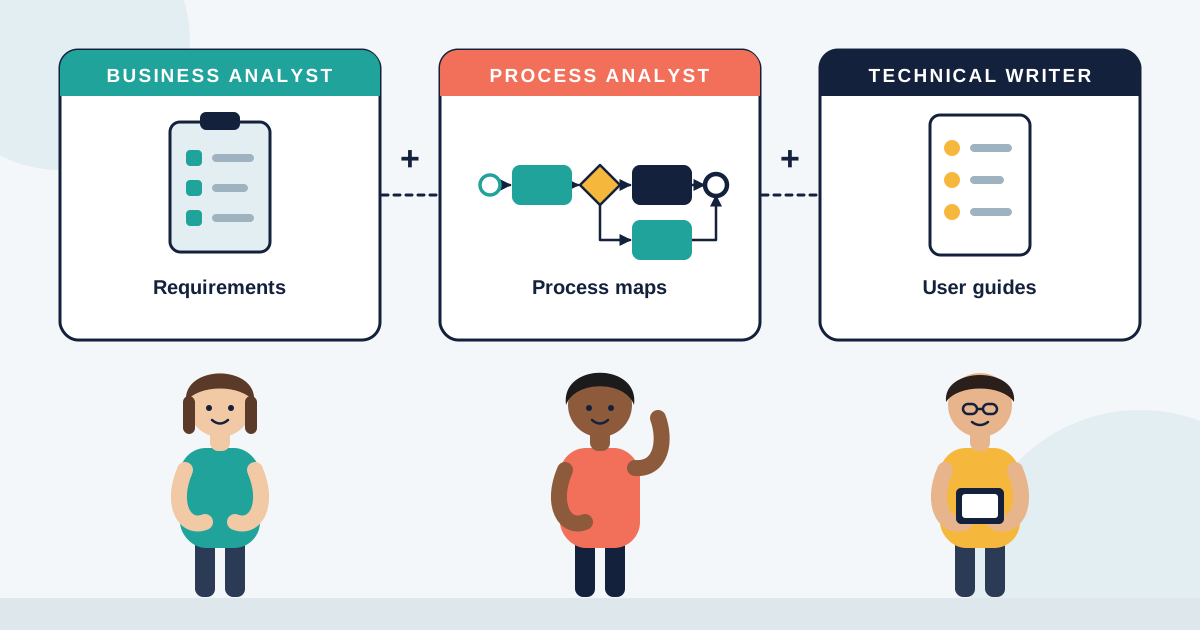
Business analysts and process analysts play a central role in making documentation AI-ready.
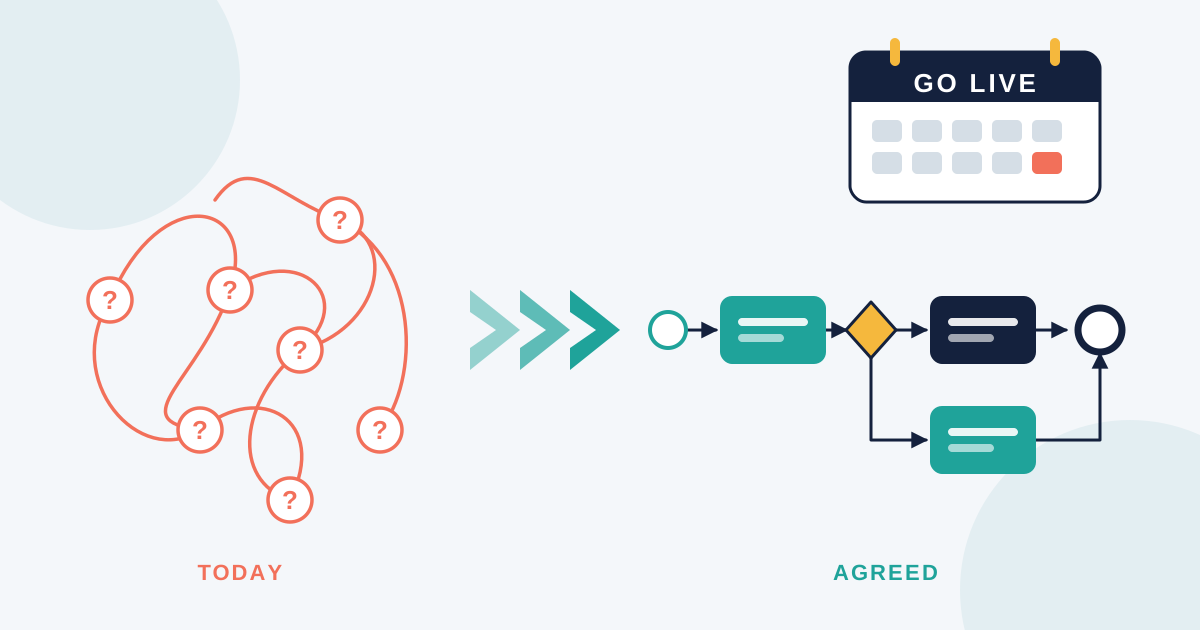
They ensure processes are mapped clearly, redundancies are removed, and exceptions are documented.
This not only benefits employees but also ensures AI tools can interpret workflows without confusion.
Analysts also structure documentation into reusable, modular formats that AI can ingest.
By acting as stewards of clean content, they reduce the risk of automation amplifying mistakes.
📊 Documentation as Risk Reduction
AI adoption comes with risks: biased outputs, compliance gaps, and misinformation.
Well-structured documentation mitigates these risks by giving AI tools trusted reference points.
For example, in a compliance-heavy industry like finance or healthcare, consistent documentation ensures AI doesn’t miss critical regulatory requirements.
It also reduces the chance of misinformation spreading through automated outputs.
The clearer the documentation, the lower the risk of AI “hallucinations” or poor recommendations.
🌍 Real-World Impact of Clean Documentation
Consider an onboarding process for new employees.
If the process is documented clearly, copilots can guide new hires with accurate, step-by-step instructions.
In contrast, inconsistent documents lead to confusion and frustration.
In software development, well-documented code means copilots generate cleaner, safer suggestions.
In customer service, AI chatbots perform better when trained on structured FAQs and troubleshooting guides.
Across industries, documentation becomes the difference between AI being a frustration or a competitive edge.
💡 Future-Proofing with Documentation
AI adoption isn’t slowing down.
Organisations that invest in documentation now will scale more smoothly in the future.
Analysts who treat documentation as an asset, not an afterthought, ensure workflows remain adaptable.
They also position themselves as indispensable partners in digital transformation.
Documentation, once overlooked, becomes the quiet force enabling AI to deliver consistent, sustainable value.