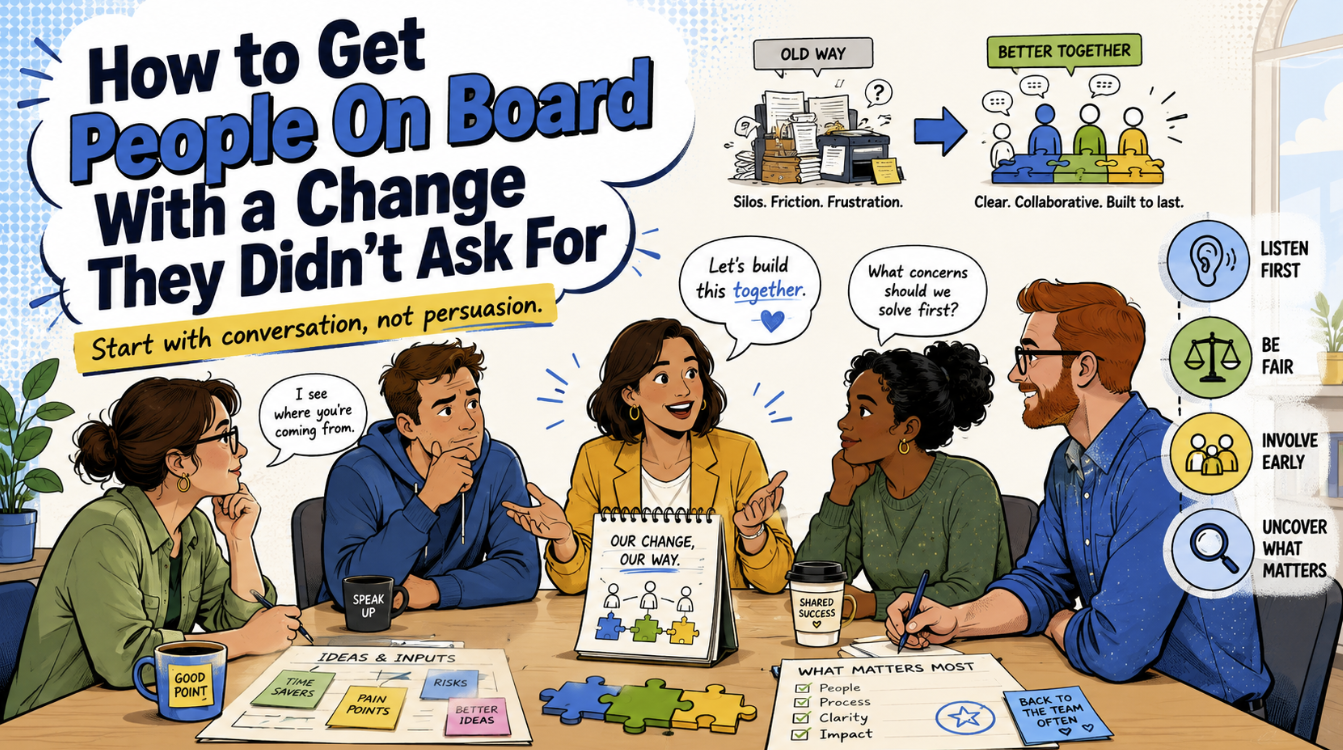


Stakeholder management is one of the most overlooked skills for analysts.
But it’s also one of the most important.
It’s not just about creating clean documents or mapping processes.
It’s about getting people on board and making sure your work leads to decisions and real change.
If you can’t get buy-in, your recommendations often sit in a folder gathering dust.
Whether you’re working in digital transformation or running day-to-day analysis, the way you manage stakeholders makes or breaks your impact.
Here’s how to do it well.
🧑🤝🧑 Understand Who Your Stakeholders Are
Start by identifying the people who actually care about the outcome of the work.
Not just those who sign off on documents.
Ask yourself:
Who feels the pain from the current process?
Who benefits if it improves?
Who’s responsible for decisions?
Stakeholders come in many forms — end users, product owners, legal, finance, tech leads, external vendors.
Map them early and understand what they care about.
📣 Match Your Communication to the Person
Some stakeholders want detail.
Others just want a high-level summary.
Some respond best to visuals.
Others prefer to chat things out.
Don’t treat everyone the same.
Tailor your communication to the person and their role.
For example:
- A CFO might want the financial implications of a process fix.
- A frontline user might want to know how it’ll change their day-to-day steps.
- A project sponsor wants to see risk reduction or value.
Being adaptable helps build trust fast.
📅 Engage Early and Often
Don’t wait until you’ve finished your analysis to engage stakeholders.
Bring them in early.
Even if it’s just to say “this is what I’m working on.”
People like to feel involved.
It also gives you useful input while you still have time to change things.
Frequent touchpoints help build momentum and reduce surprises.
Use short catchups, share drafts, invite them to workshops when relevant.
It doesn’t need to be formal.
It just needs to be consistent.
🛑 Don’t Gloss Over Tension
It’s normal for stakeholders to disagree.
Sometimes someone doesn’t want change because it’ll affect their team’s workload.
Other times, they feel like they weren’t consulted enough.
The worst thing you can do is pretend the tension isn’t there.
Acknowledge it.
Ask questions.
Try to understand their position.
Then work through it together.
It shows maturity and builds credibility.
📝 Keep a Record of What’s Said
After every stakeholder chat or meeting, write up key takeaways.
Summarise what was agreed, what’s still open, and what they expect next.
This helps avoid future miscommunication and makes it easier to show progress.
It’s not about covering yourself.
It’s about clarity.
📊 Show the Impact of Their Input
When someone gives you feedback or flags a concern, show how you used it.
Say things like:
“You mentioned last week that step four was a blocker for your team. We’ve now proposed an alternative here…”
It builds trust and shows you’re listening.
Even if their idea didn’t make it into the final version, explaining why still makes them feel heard.
🌱 It’s Ongoing, Not One-Off
Stakeholder engagement isn’t a checkbox at the start of a project.
It’s something you keep doing throughout.
That includes after the project ends.
Stay in touch with key people.
Keep building those relationships.
It makes future work smoother.
And when you need buy-in again later, you’ve already laid the groundwork.
Final Thoughts
Being great at business analysis or process mapping isn’t just about frameworks and templates.
It’s about working with people.
The more you invest in your stakeholder relationships, the more influence you’ll have — and the better your work will land.