

What is Technical Writing Really About? Technical writing isn’t just about putting words on paper. It’s about turning complex ideas into clear, useful information that people can actually use. The role goes beyond writing—it’s about understanding, simplifying, and connecting with your audience.
The Importance of Collaboration
The heart of technical writing lies in collaboration.
You’ll often work with stakeholders like subject matter experts, clients, or internal teams.
It’s important to understand their needs and find the best way to communicate complex information effectively.
Strong communication and relationship-building skills are just as important as your writing abilities.
Why Clarity is Key
When working on documentation like procedures, manuals, or training materials, clarity is everything.
Your job is to make information accessible to everyone, no matter their technical background.
Think from the perspective of your audience.
Ask yourself: Is this easy to follow?
Does this answer the questions people are likely to have?
The Value of Business Process Knowledge
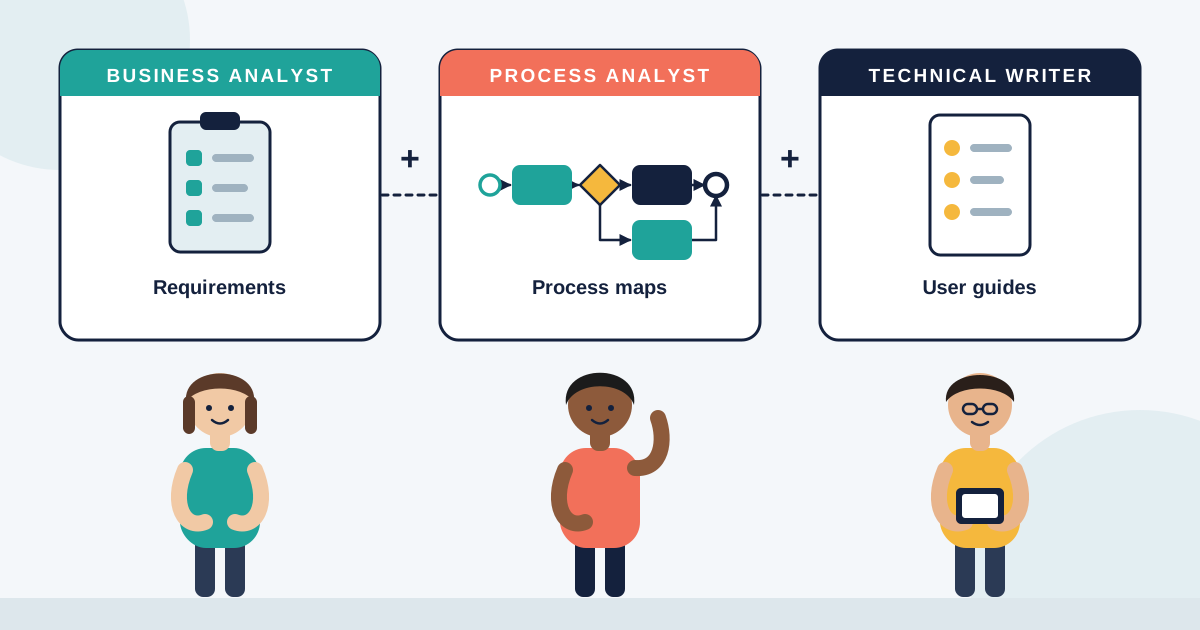
Business process mapping and reengineering can give you an edge as a technical writer.
These skills help you understand workflows and systems in detail.
They make it easier to translate processes into straightforward, step-by-step documents.
This knowledge is especially useful when working on internal projects or streamlining processes.
The Role of Research and Analysis
A good technical writer is always learning.
Research and analysis are essential parts of the job.
You need to stay updated on the latest trends and tools.
This ensures your documentation is current, relevant, and user-friendly.
It also helps you bring fresh insights when working with clients or teams.
The Power of Feedback
Feedback plays a big role in improving your work.
A strong feedback culture allows you to refine your documentation and grow in your role.
Listening to different perspectives ensures your work meets the needs of your audience.
Creating Value Through Documentation
High-quality documentation isn’t just about meeting deadlines.
It’s about creating something that adds real value.
Progress reports, training materials, and presentations are more than just deliverables.
They’re tools that help organisations function better and achieve their goals.
The Skills That Matter Most
Technical writing has evolved beyond just being a good writer.
It’s about being a problem-solver, a team player, and someone who understands the big picture.
Whether it’s improving processes, delivering clear client materials, or simplifying complex topics, your work makes a real difference.
What to Focus on for Growth
If you’re looking to grow in this space, focus on building relationships.
Stay curious and open to learning new things.
Always put your audience first.
These are the skills that will take you far in any technical writing role.