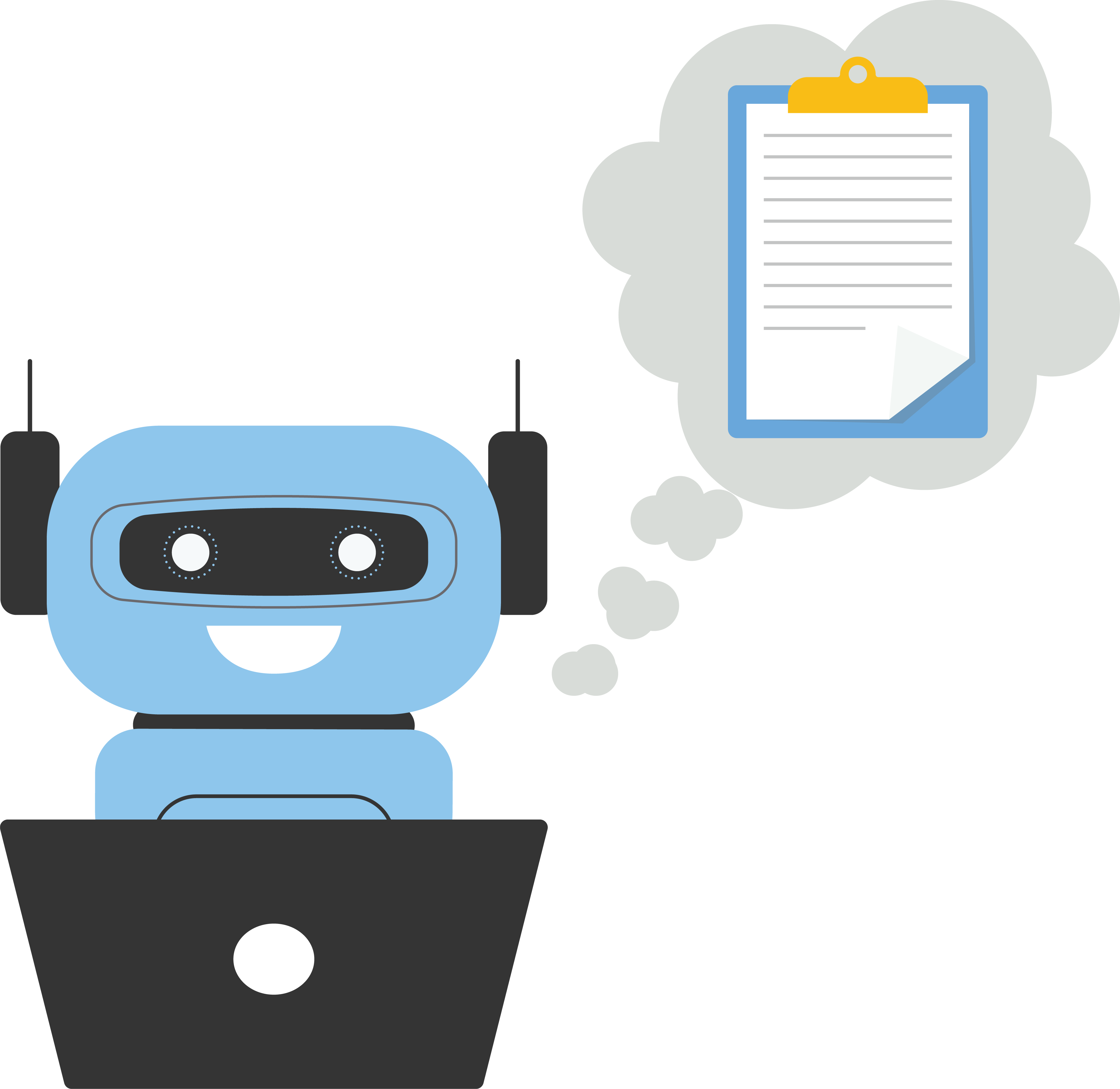
AI is changing how businesses handle documentation.
Tools that generate content in seconds are making companies rethink how they create user manuals, training guides, and process documentation.
But does this mean technical writers are no longer needed?
Not quite.
AI is a tool, not a replacement.
It can speed up certain tasks, but it still lacks the critical thinking, context, and human touch that good documentation needs.
What AI Can Do for Technical Writers
AI can help technical writers work faster.
It can generate drafts, suggest improvements, and even pull data from different sources to create structured content.
It can process large amounts of information quickly and organise it into readable text.
This is useful for tasks like summarising reports, creating first drafts, or formatting documents.
Some AI tools can also assist with grammar, spelling, and consistency, making the editing process easier.
These features help technical writers focus on improving content instead of spending time on repetitive tasks.
Where AI Falls Short
AI doesn’t understand users the way a human does.
It can write content, but it doesn’t always get the tone, clarity, or accuracy right.
It struggles with complex topics that require deep knowledge, interpretation, or creativity.
AI-generated documentation often sounds robotic or generic.
It also lacks the ability to adapt to real-world user challenges, making it less reliable for troubleshooting or instructional materials.
Without human oversight, AI-generated content can be misleading, incorrect, or missing key details.
This means businesses still need technical writers to ensure documentation is clear, accurate, and useful.